How do real foodies keep herbs fresh longer for vibrant dishes?

The Culinary Magic of Fresh Herbs
For any true foodie, the vibrant aroma and fresh burst of flavor from herbs are non-negotiable. Yet, nothing is more frustrating than watching a beautiful bunch of cilantro wilt into oblivion just days after purchase. Mastering the art of herb preservation is a game-changer for elevating your home cooking and reducing food waste.
Fresh herbs aren’t just a garnish; they are an essential ingredient that can transform a good dish into a great one. They add complexity, brightness, and an undeniable freshness that dried herbs simply cannot replicate. From the peppery bite of arugula to the delicate notes of chervil, understanding how to maintain their peak condition is a cornerstone of sophisticated home cooking.

Fundamental Principles of Herb Preservation
Before diving into specific techniques, it’s crucial to grasp the basic enemies of fresh herbs: excessive moisture (which leads to rot), lack of moisture (which causes wilting), and inappropriate temperatures. The goal is to strike a delicate balance to mimic their natural growing environment as much as possible, slowing down the decomposition process.
Soft Herbs: The “Bouquet” Method and Beyond
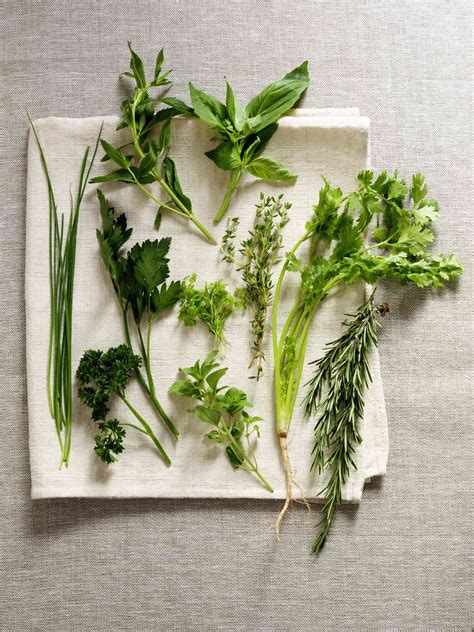
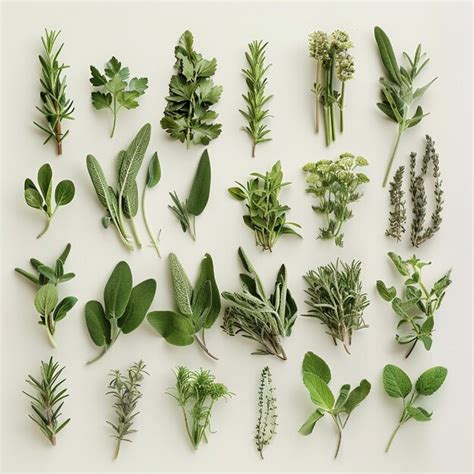
Soft herbs like parsley, cilantro, basil, mint, and dill are delicate and prone to wilting. The most popular and effective method involves treating them like a bouquet of flowers.
- Bouquet Method: Trim the bottoms of the stems, remove any yellowed or bruised leaves, and place the herbs stem-side down in a glass or jar filled with an inch or two of water. Loosely cover the herbs with a plastic bag (or a repurposed produce bag) and refrigerate. Basil, however, prefers room temperature in a similar setup, away from direct sunlight. Change the water every day or two.
- Paper Towel Method (for short-term): For basil that doesn’t fit the bouquet method or for quick storage, gently wrap clean, dry basil leaves in a slightly damp paper towel, then place them in a resealable plastic bag or airtight container.

Hardy Herbs: The Damp Towel Approach
Hardy herbs such as rosemary, thyme, oregano, and sage have woodier stems and more robust leaves. They generally do well with a different, simpler approach.
- Damp Paper Towel Method: Lightly moisten a few paper towels. Wrap the cleaned, unwashed herbs loosely in the damp paper towels. Place the wrapped herbs into a resealable plastic bag or an airtight container. Store them in the crisper drawer of your refrigerator. This method prevents them from drying out too quickly while also protecting them from excess moisture.

Freezing Herbs for Long-Term Enjoyment
Sometimes, you simply have too many herbs, or you want to preserve their flavor for months. Freezing is an excellent option, especially for soft herbs, retaining much of their flavor and aroma, though their texture will change.
- Ice Cube Tray Method (Oil or Water): Chop your herbs finely. Pack them into ice cube trays. Fill the trays with olive oil (for cooking) or water (for soups and stews). Freeze until solid, then transfer the herb cubes to a freezer-safe bag or container.
- Flash Freezing: For individual leaves (like basil or mint), arrange them in a single layer on a baking sheet lined with parchment paper. Freeze until solid, then transfer to a freezer bag. This prevents them from clumping together.

Reviving Wilting Wonders
Accidentally let your herbs get a bit droopy? Don’t despair! Many herbs can be revived. For slightly wilted soft herbs, trim the ends and place them in a glass of ice water for 20-30 minutes. This often allows them to rehydrate and perk up, making them usable again for your vibrant dishes.
Maximizing Your Herb Harvest
Having an abundance of fresh herbs is a delicious problem to have. Beyond using them as intended, consider making pesto from basil, chimichurri from parsley and cilantro, mint-infused water, or herbal oils and vinegars. These not only utilize your herbs but also create delightful additions to your pantry.
Conclusion
With these simple yet effective storage techniques, you can significantly extend the life of your fresh herbs, ensuring that their vibrant flavors and aromas are always at your fingertips. No more last-minute grocery runs for wilted greens; just consistently delicious, herb-enhanced meals that truly shine.