How do real foodies keep herbs fresh & vibrant for gorgeous garnishes?

For true food enthusiasts, a dish isn’t truly complete without the vibrant touch of fresh herbs. They’re not just a burst of flavor; they’re an essential visual flourish, transforming a simple meal into a gourmet experience. But anyone who’s ever bought a bunch of parsley or cilantro knows the struggle: one day they’re perky and green, the next they’re a sad, wilted mess. Fear not, fellow foodies! Keeping your herbs crisp and ready for their moment in the spotlight is an achievable art. It’s all about understanding the unique needs of different herb types and employing smart, simple storage techniques.
The Foodie’s Dilemma: Wilting Wonders No More
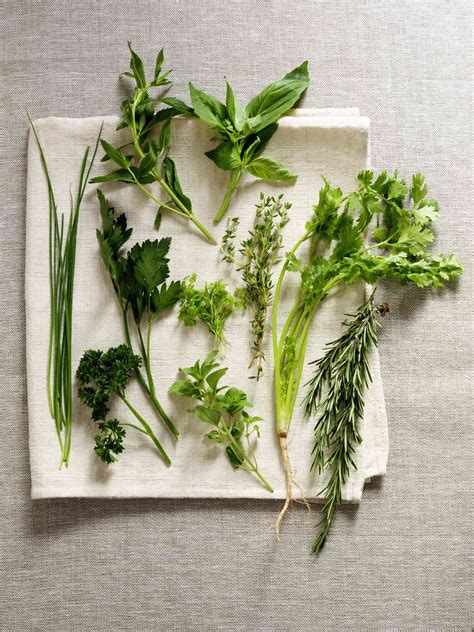
The enemy of fresh herbs is often a combination of moisture loss and improper air exposure. Delicate leafy greens like cilantro, parsley, and basil are particularly susceptible to wilting, quickly losing their structural integrity and their vibrant color. Heartier herbs such as rosemary, thyme, and oregano can withstand a bit more, but even they will eventually dry out and lose their potency if left neglected. The goal is to create an environment that mimics their natural growing conditions while slowing down the natural degradation process. Here’s how real foodies do it.
Method 1: The Water Bath Revival (for Tender Herbs)
This method is a game-changer for most tender, leafy herbs like parsley, cilantro, basil, mint, and tarragon. Think of it as putting a bouquet of flowers in water.
- Trim the Stems: Just like flowers, snip about an inch off the bottom of the stems. This opens up the capillaries, allowing for better water absorption.
- Water Immersion: Place the trimmed herbs upright in a glass or jar with about an inch of fresh water. Ensure only the stems are in the water, not the leaves.
- Cover & Chill: For herbs like parsley and cilantro, loosely cover the top with a plastic bag (a produce bag works perfectly). For basil, which is sensitive to cold, skip the plastic bag and leave it on the counter away from direct sunlight, changing the water daily. For other tender herbs, place the covered jar in the refrigerator.
Change the water every day or two, and your herbs can stay fresh and perky for up to two weeks!

Method 2: The Damp Hug (for Sturdier Varieties)
Heartier, woody-stemmed herbs like rosemary, thyme, oregano, marjoram, and sage often prefer a slightly different approach.
- Wash & Dry: If they appear dirty, give them a quick, gentle rinse under cool water. Critically, pat them thoroughly dry with paper towels or use a salad spinner. Excess moisture can lead to mold.
- Wrap ‘n’ Roll: Lay the dried herbs flat on a slightly damp (not soaking wet) paper towel. Roll them up gently.
- Bag & Refrigerate: Place the wrapped herbs into a resealable plastic bag or an airtight container. Store them in the crisper drawer of your refrigerator.
This method creates a humid environment without waterlogging the herbs, keeping them vibrant for 1-2 weeks.
Beyond the Fridge: Longer-Term Freshness
The Freezer’s Friend: Herb Ice Cubes
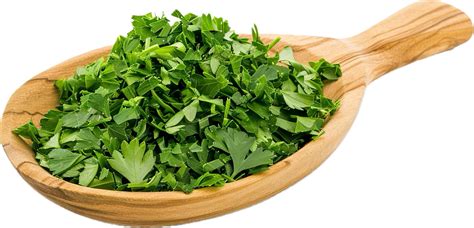
While primarily for cooking, this method extends the life of herbs significantly. Chop herbs finely, pack them into ice cube trays, and top with olive oil or water. Freeze until solid, then transfer the cubes to an airtight freezer bag. Pop one into soups, stews, or sauces for an instant flavor boost. While not ideal for fresh garnishes, it prevents waste.
Flash Freezing for Garnishes
For some herbs like dill or chives, flash freezing can preserve their individual structure enough for quick garnishes. Lay clean, dry herbs in a single layer on a baking sheet. Freeze for an hour or two until solid, then transfer to an airtight freezer-safe bag or container. This prevents them from clumping together and allows you to grab just a few pieces as needed. Thaw quickly on the plate just before serving.
Essential Prep & Storage Tips for Peak Performance
- Buy Smart: Always choose herbs with vibrant color and firm leaves, avoiding any wilting or yellowing.
- Wash Gently: Wash herbs just before using or storing, and ensure they are thoroughly dried if using the damp paper towel method. A salad spinner is invaluable here.
- Avoid Crowding: Whether in a jar or a bag, give your herbs a little space. Overcrowding can lead to bruising and faster spoilage.
- Check Regularly: Periodically check your stored herbs. Remove any leaves that show signs of spoilage to prevent it from spreading.

The Art of the Garnish: Why It Matters
A sprinkle of fresh, vibrant herbs can elevate a dish from good to unforgettable. Parsley curled perfectly, a delicate sprig of dill, or basil leaves artfully torn – these small details demonstrate care, intention, and a true appreciation for the dining experience. Beyond aesthetics, fresh herbs add a final burst of aroma and flavor that can brighten and balance a meal.

Mastering these simple herb storage techniques means you’ll always have beautiful, flavorful garnishes at your fingertips. No more last-minute wilting woes or compromising on presentation. Your dishes, and your foodie reputation, will thank you.