How do real foodies keep herbs fresh & vibrant for gorgeous garnishes?
For any true foodie, fresh herbs are non-negotiable. They’re the splash of color, the burst of aroma, and the final touch that elevates a dish from delicious to divine. But the joy of a newly bought bunch of fragrant cilantro or basil can quickly turn to dismay when they wilt and brown within days. So, how do culinary enthusiasts and home cooks alike keep their precious herbs fresh and vibrant, ready for that perfect garnish?
The Magic of Fresh Herbs: More Than Just Garnish
Fresh herbs are more than just a pretty face; they are powerhouses of flavor, adding depth, brightness, and complexity that dried herbs simply can’t match. From the peppery bite of arugula to the delicate anise notes of tarragon, each herb brings its unique character to the table. And when it comes to garnishing, their crisp texture and vivid color are indispensable for visual appeal, signaling freshness and care in every plate.
The challenge, however, lies in their delicate nature. Most fresh herbs, particularly the soft-leaf varieties, are highly perishable. They lose moisture quickly, leading to wilting, discoloration, and a significant loss of potency. But with a few smart techniques, you can extend their lifespan, ensuring you always have a vibrant sprig or finely chopped sprinkle at the ready.
![150+ Beautiful Good Morning Images [ Best Collection ]](/images/aHR0cHM6Ly90czIubW0uYmluZy5uZXQvdGg/aWQ9T0lQLmdKS3RyUGxlVk96OS1jbEdJemVkR3dIYUdNJnBpZD0xNS4x.webp)
Understanding Your Herbs: Soft vs. Woody
Before diving into storage methods, it’s crucial to understand that not all herbs are created equal. They generally fall into two categories:
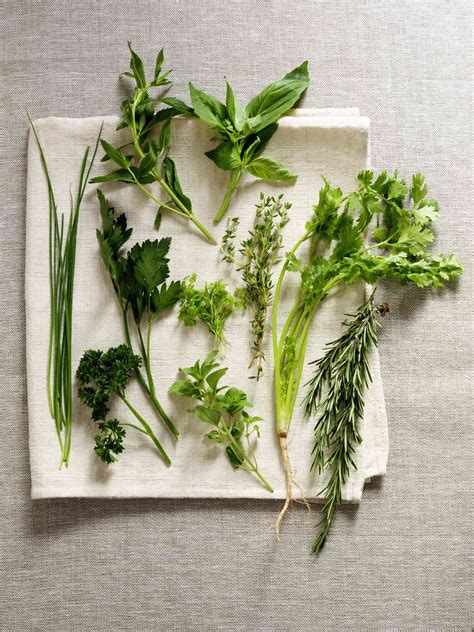
- Soft Herbs: These include basil, cilantro, parsley, mint, tarragon, chives, and dill. They have delicate leaves and tender stems, and are prone to wilting.
- Woody/Hard Herbs: Rosemary, thyme, oregano, and sage fall into this category. They have tougher stems and often smaller, more robust leaves, making them slightly more forgiving in terms of storage.
Tried-and-True Methods for Soft Herbs
1. The Bouquet Method: A Glass of Water
This is arguably the most popular and effective method for soft herbs like parsley, cilantro, and mint. Treat them like a bouquet of flowers:
- Trim the Stems: Snip off the very ends of the stems, much like you would with cut flowers. This allows them to absorb water more efficiently.
- Water Bath: Place the trimmed stems into a glass or jar with about an inch of fresh, cool water.
- Cover Loosely: Loosely cover the leaves with a plastic bag (a produce bag works perfectly), creating a mini-greenhouse effect that traps moisture.
- Refrigerate: Store the glass in the refrigerator. Change the water every day or two to prevent bacterial growth.
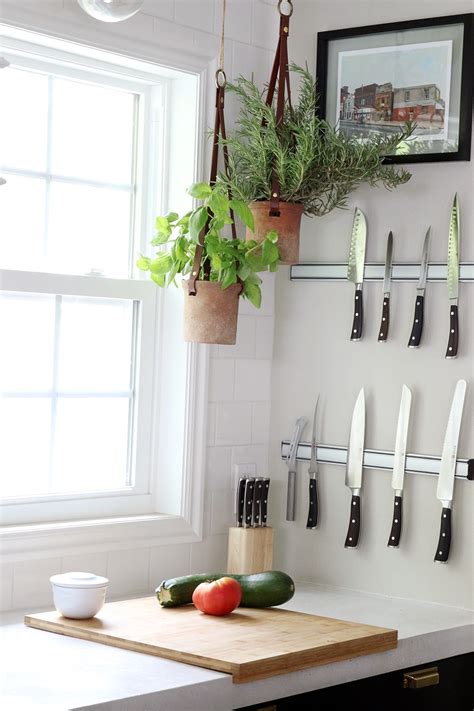
Special Note for Basil: Basil is an exception to the refrigeration rule. It’s highly sensitive to cold and will blacken quickly in the fridge. For basil, follow the bouquet method but leave it out on the counter at room temperature, away from direct sunlight. Change the water daily.

Mastering Storage for Hardy & Woody Herbs
2. The Damp Paper Towel Roll-Up
This method works wonders for hardier herbs and can also be used for some soft herbs if the bouquet method feels too cumbersome. It’s perfect for rosemary, thyme, oregano, and even chives.
- Wash and Dry Thoroughly: Gently wash the herbs under cool water, then lay them out on a clean kitchen towel or paper towels to air dry completely. Moisture is the enemy of freshness here!
- Damp Towel: Take a few sheets of paper towel and dampen them slightly (they should be moist, not soaking wet).
- Wrap and Roll: Lay your dried herbs on the damp paper towel sheets, then gently roll them up.
- Seal and Refrigerate: Place the rolled bundle into a zip-top plastic bag or an airtight container. Store in the crisper drawer of your refrigerator. Check the paper towels every few days and re-dampen if they feel dry.

Long-Term Solutions: Freezing and Drying
When you have an abundance of herbs or want to preserve their flavor for months, freezing and drying are excellent options.
3. Freezing for Flavor Preservation
Freezing is fantastic for preserving the vibrant flavors of most herbs, especially those destined for cooked dishes like soups, stews, and sauces. It’s particularly good for pesto, cilantro, parsley, chives, and dill.
- Chopped and Cubed: Finely chop your herbs and pack them into ice cube trays. Cover with a neutral oil (like olive oil or grapeseed oil) or water, then freeze until solid. Once frozen, pop the cubes out and transfer them to a freezer-safe bag. You’ll have ready-to-use herb portions that can be dropped directly into your cooking.
- Pesto Cubes: Make a batch of pesto and freeze it in ice cube trays for quick pasta nights.
4. Air Drying for Robust Flavors
Drying is ideal for woody herbs like rosemary, thyme, oregano, and bay leaves, intensifying their flavor for long-term storage in your pantry.
- Bundling: Gather small bunches of herbs, tie their stems with kitchen twine, and hang them upside down in a warm, dry, well-ventilated area away from direct sunlight. They’ll be dry in 1-2 weeks.
- Dehydrator or Oven: For a faster method, use a food dehydrator or an oven set to its lowest temperature (usually around 170°F/75°C) with the door slightly ajar.
Reviving Wilting Herbs & Garnish Perfection
Even with the best storage, sometimes herbs can look a bit sad. For slightly wilted herbs, a quick ice water bath can work wonders. Trim the stems and plunge the herbs into a bowl of ice water for 15-30 minutes. The cold water helps them rehydrate and crisp up, bringing them back to life for your garnishes.
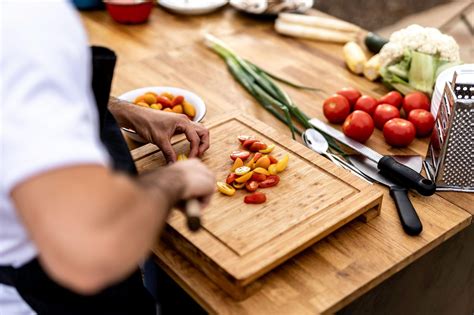
When it’s time to use them, handle your herbs gently. Wash them briefly under cool water and pat them thoroughly dry with paper towels or use a salad spinner. A sharp knife is crucial for chopping; a dull knife will bruise the delicate leaves, causing them to blacken quickly. For garnishing, finely chop or create beautiful whole sprigs, adding them just before serving to maximize their fresh appeal and aromatic impact.
The Foodie’s Payoff: Beyond Freshness
Mastering these simple herb preservation techniques is a hallmark of a true foodie. It not only reduces food waste but also ensures that every meal can benefit from the incomparable taste and visual elegance of fresh, vibrant herbs. From a simple weeknight dinner to an elaborate culinary masterpiece, gorgeous garnishes are within reach, adding that final flourish that truly makes a dish sing.