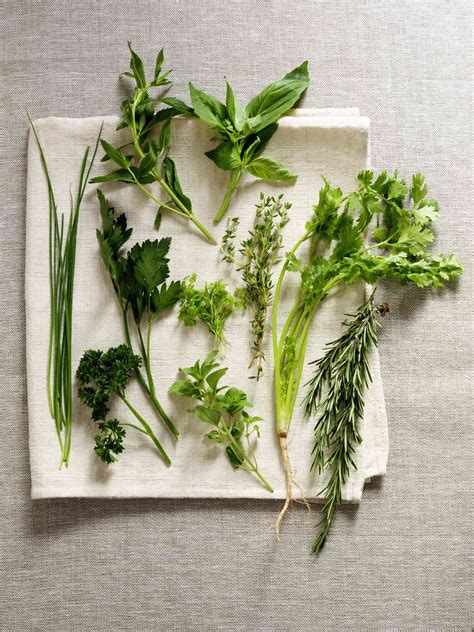

How do real foodies keep herbs vibrant & fresh for stunning garnishes all week?

For discerning home cooks and professional chefs alike, fresh herbs are non-negotiable. They’re not just an ingredient; they’re the vibrant punctuation mark, the aromatic flourish, and often, the secret weapon that elevates a dish from good to unforgettable. But how do the pros keep their parsley perky, their basil brilliant, and their cilantro crisp, ready to grace plates with stunning garnishes and robust flavor, all week long?
The Golden Rule: Treat Herbs Like Flowers
One of the simplest yet most effective methods for keeping most soft-stemmed herbs like parsley, cilantro, and mint fresh is to treat them like a mini bouquet. Upon bringing them home, trim about an inch off the bottom of the stems. Remove any lower leaves that might sit below the waterline to prevent spoilage. Then, place the herbs stem-down in a glass or jar filled with an inch or two of fresh water.
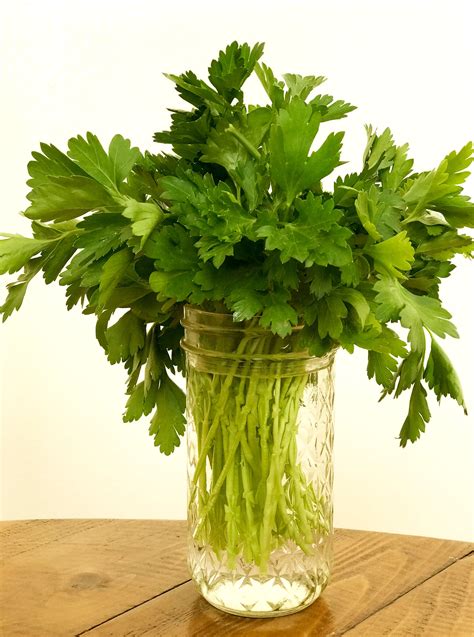
Cover the entire setup loosely with a plastic bag (a produce bag works perfectly) and store it on your kitchen counter or in the refrigerator. Change the water every day or two. This method keeps the herbs hydrated and prevents wilting, mimicking their natural growing environment.
Delicate Darlings: Leafy Greens & Soft Herbs
Basil, with its distinct aversion to cold, often fares best on the countertop using the water method, away from direct sunlight. However, for many other delicate herbs like chives, dill, and even some varieties of parsley, a slightly different approach works wonders in the fridge. Gently wash and thoroughly dry the herbs—moisture is the enemy here. Lay them flat on a slightly damp paper towel, then roll them up loosely. Place this bundle into a resealable plastic bag or an airtight container before refrigerating.
The damp towel provides just enough moisture to prevent drying out, while the bag or container keeps air circulation minimal, reducing oxidation. This technique is particularly effective for herbs you plan to use over several days.
Woody Wonders: Rosemary, Thyme, Oregano & Sage
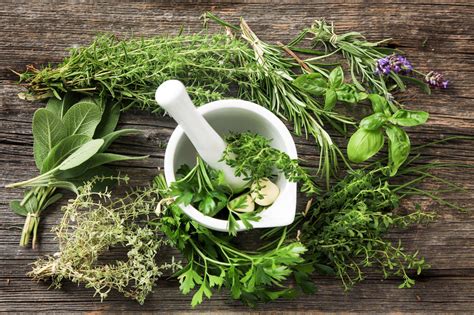
Hardier, woody-stemmed herbs like rosemary, thyme, oregano, and sage are a bit more forgiving. They don’t typically require the elaborate water treatment. Instead, simply wrap them in a dry paper towel and place them in a resealable plastic bag or an airtight container in the refrigerator. Their robust nature means they’re less prone to absorbing too much moisture or wilting quickly. Ensure they are thoroughly dry before storage to prevent mold.
Freezing for Flavor: Long-Term Solutions
When you have an abundance of herbs or want to preserve their essence for future culinary adventures, freezing is an excellent option. For robust herbs like rosemary, thyme, or even basil and parsley, chop them finely and place them into ice cube trays. Pour a neutral oil (like olive oil) over the chopped herbs until they are submerged, then freeze. Once solid, pop out the herb cubes and store them in a freezer-safe bag. These oil-infused cubes are perfect for sautéing, stews, or sauces.

Another freezing method is to simply chop the herbs and freeze them in a single layer on a baking sheet before transferring them to a freezer bag. This allows you to grab small portions as needed without thawing an entire block.
Beyond Storage: The Art of the Garnish
Even with the best storage, sometimes a herb might look a little tired. A quick refresh can bring them back to life. For slightly wilted herbs, give them an ice bath for 10-15 minutes. The cold water perks them right up, restoring their crispness and vibrant color, making them perfect for those picture-perfect garnishes.

The secret to stunning garnishes isn’t just about appearance; it’s about the entire sensory experience. Fresh, vibrant herbs release their essential oils, contributing both aroma and a burst of flavor that enhances the overall dish. A dull, limp garnish tells a very different story than a bright, lively one.
Tips for Maximizing Freshness & Impact
- Buy Smart: Choose herbs that look vibrant and undamaged at the store.
- Don’t Wash Until Ready: Excess moisture promotes spoilage. Wash just before use.
- Dry Thoroughly: If you must wash, use a salad spinner or paper towels to ensure they are bone-dry before storing (unless using the water method).
- Air Circulation: Avoid overly packed containers that can trap moisture and accelerate decay.
- Label & Date: Especially for frozen herbs, labeling ensures you use them at their peak.
Mastering herb preservation is a cornerstone of sophisticated home cooking. By adopting these simple yet effective techniques, you’ll not only reduce food waste but also ensure that your culinary creations consistently feature the freshest, most aromatic, and visually appealing herbs, ready to impress with every stunning garnish and flavorful bite.