How do real foodies make everyday meals look gourmet (and easy)?

Ever scroll through social media and marvel at how some home cooks effortlessly transform a simple weeknight dinner into a culinary masterpiece? It’s not magic, nor does it require a professional kitchen or endless hours. Real foodies understand that elevating an everyday meal to gourmet status is about a few key principles, simple techniques, and a touch of intentionality. Here’s how they do it, making it look both impressive and incredibly easy.
It Starts with Ingredients: Quality Over Quantity
The foundation of any great dish, gourmet or not, is the quality of its ingredients. Foodies prioritize fresh, seasonal produce, high-quality proteins, and artisanal pantry staples. You don’t need exotic items; a ripe tomato, fresh basil, or a good cut of chicken can make all the difference. When ingredients are at their peak, they require less fuss to taste extraordinary. Visiting farmers’ markets or sourcing from trusted local purveyors is a common secret.
Mastering Flavor Profiles with Ease
Gourmet food is synonymous with well-balanced flavors. Foodies intuitively understand how to layer tastes to create depth and complexity. This doesn’t mean complicated sauces; it means smart additions:
- Herbs & Spices: Fresh herbs (parsley, cilantro, dill) added at the end brighten a dish, while toasted spices (cumin, coriander) add warmth.
- Acidity: A squeeze of lemon, a drizzle of good vinegar, or a splash of wine can cut richness, brighten flavors, and awaken the palate.
- Umami: Ingredients like mushrooms, Parmesan cheese, soy sauce, or tomato paste add a savory depth that makes food irresistibly delicious.
- Fat: A good quality olive oil, a pat of butter, or a rich cream can carry flavors and add a luxurious mouthfeel.
Experimentation is key, but often, it’s about adding just one more element to balance the primary flavors.
Simple Techniques, Big Impact
You don’t need to be a Michelin-starred chef to use effective cooking techniques. Foodies excel at mastering fundamental methods that yield maximum flavor with minimal effort:
- Roasting: Roasting vegetables or proteins brings out their natural sweetness and creates beautiful caramelization.
- Sautéing: Quick and easy, sautéing creates a delicious crust on meats and softens vegetables while retaining their bite.
- Pan-Searing: A perfectly seared steak or fish with a crisp exterior and tender interior is always impressive.
- Deglazing: After searing, a splash of liquid (broth, wine, water) to scrape up browned bits from the pan creates an instant, flavorful sauce.
These techniques are accessible and, with a little practice, become second nature.
The Art of Presentation: Plating Like a Pro
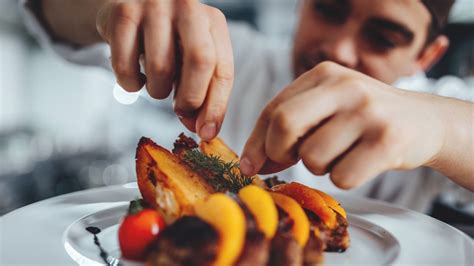
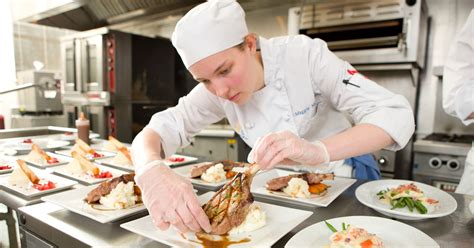
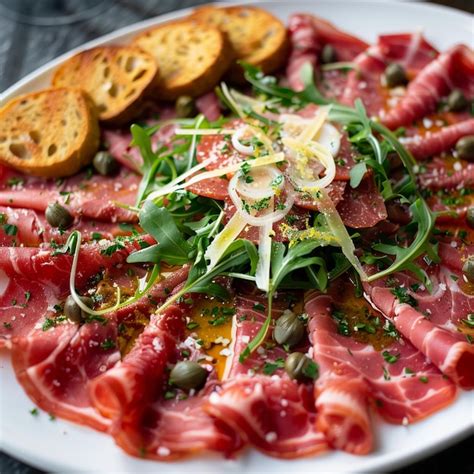
This is where the ‘gourmet look’ truly comes to life. Foodies know that we eat with our eyes first. Simple plating tricks can elevate any dish:
- White Plates: A clean white canvas makes colors pop.
- Height & Layers: Instead of spreading food flat, stack elements slightly or create small mounds.
- Garnishes: A sprinkle of fresh herbs, a swirl of olive oil, toasted nuts, or a few edible flowers add visual appeal and extra flavor.
- Odd Numbers: When arranging small items (like shrimp or scallops), odd numbers often look more aesthetically pleasing than even ones.
- Clean Edges: Wipe plate rims clean for a professional finish.
Smart Kitchen Hacks and Essential Tools
While not strictly necessary, some habits and tools make the process easier and more enjoyable:
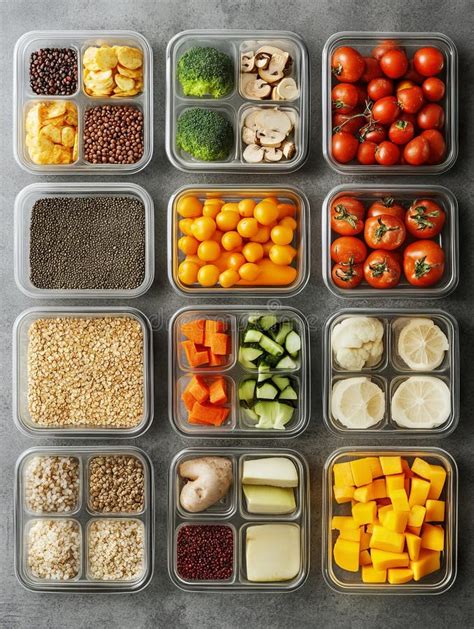
- Meal Prep Components: Chopping vegetables ahead of time or making a versatile sauce on the weekend significantly cuts down on weeknight cooking time.
- Sharp Knives: A well-maintained set of knives is a foodie’s best friend, making prep safer and more efficient.
- Good Cookware: A quality cast iron pan or a sturdy sheet pan can make a difference in cooking results.
- Mise en Place: Having all ingredients prepped and ready before you start cooking streamlines the process and prevents last-minute scrambling.

Embrace the Foodie Mindset
Perhaps the biggest secret is the mindset. Foodies approach cooking with curiosity, a willingness to experiment, and a genuine joy for food. They understand that every meal is an opportunity to create something delicious and nourishing, not just a chore. They taste as they go, adjust seasonings, and aren’t afraid to deviate from a recipe to suit their preferences.

Conclusion
Making everyday meals look and taste gourmet isn’t about complexity; it’s about intentionality. By focusing on quality ingredients, understanding basic flavor principles, employing simple cooking techniques, and paying attention to presentation, anyone can elevate their home cooking. So, next time you’re in the kitchen, channel your inner foodie and transform your ordinary meal into an extraordinary culinary experience with ease.