How do real foodies make quick, healthy dinners look amazing?

The Art of Turning Simple Suppers into Visual Feasts
In a world bustling with activity, the quest for quick, healthy dinners is universal. But how do some individuals manage to elevate their everyday meals from mere sustenance to Instagram-worthy works of art? It’s not magic, but a blend of mindful ingredient selection, smart preparation, and a keen eye for presentation. Real foodies understand that we eat with our eyes first, and a visually appealing dish can make even the simplest meal feel like a gourmet experience.
The secret lies in a few key principles that transform a humble plate of food into something extraordinary without adding hours to your cooking time. It’s about making deliberate choices that enhance both nutrition and aesthetic appeal.
Embrace the Power of Fresh, Vibrant Ingredients
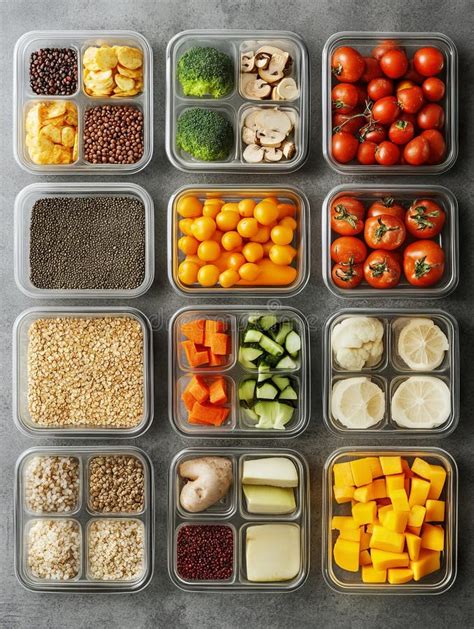
The foundation of any amazing-looking dish begins with the ingredients themselves. Real foodies prioritize fresh, seasonal produce that boasts natural vibrancy. A colorful array of vegetables—think deep purple cabbage, bright orange carrots, crisp green spinach, and ruby red bell peppers—instantly adds visual interest and a spectrum of nutrients. These are often the easiest to incorporate into quick meals like stir-fries, salads, or roasted vegetable medleys.
Shopping smart at farmers’ markets or choosing high-quality produce at your local grocery store can make a world of difference. The natural beauty of these ingredients does most of the heavy lifting for you.
Master the Art of Smart Plating
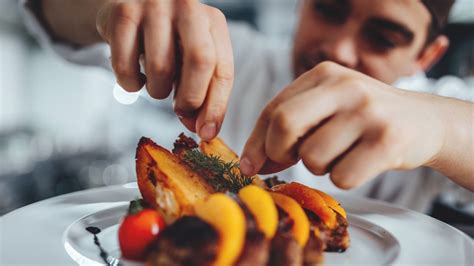
Presentation is paramount. Even a simple grilled chicken breast with a side of quinoa and broccoli can look magnificent with thoughtful plating. Foodies often follow a few unwritten rules:
- Create Height: Instead of spreading food flat, try stacking or leaning components against each other to give the dish dimension.
- Use Negative Space: Don’t crowd the plate. Leave some empty space around your food to make it feel more intentional and elegant.
- Think in Odd Numbers: When arranging smaller items (like cherry tomatoes or shrimp), place them in odd numbers (3 or 5) for a more organic and pleasing look.
- The Rule of Thirds: Imagine your plate divided into thirds, and place the main components strategically within these sections.
Even for quick meals, taking an extra 30 seconds to arrange components can elevate the entire dining experience.

The Magic of Garnishes and Textures
A dish isn’t truly complete without a thoughtful garnish. This is where foodies add that final touch of flair and often, an extra layer of flavor and texture. Simple garnishes include:
- Fresh herbs (parsley, cilantro, dill, basil) chopped or whole.
- A sprinkle of toasted nuts or seeds (sesame, chia, pumpkin) for crunch.
- A drizzle of a contrasting sauce or olive oil.
- A wedge of lemon or lime for a pop of color and acidity.
- A pinch of red pepper flakes for a subtle kick and visual interest.
These small additions not only enhance the look but can also tie the flavors together beautifully. Contrast in texture is also key—think crispy elements against soft ones.
Choose Your Canvas Wisely
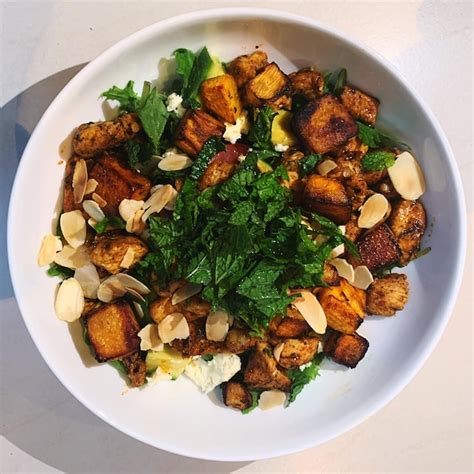
The plate itself plays a crucial role. Foodies often opt for simple, neutral-colored plates (white, black, or grey) that allow the food’s colors to truly pop. Avoid overly patterned plates that compete with your culinary creation. Bowls are excellent for dishes with sauces or multiple components, allowing for layered presentation.
Consider the size of your plate too; a slightly larger plate can make a modest portion look more substantial and elegant, thanks to the negative space it provides.

Efficiency Meets Elegance
Many quick, healthy meals inherently lend themselves to beautiful presentation. Sheet pan dinners, for instance, allow vegetables and proteins to roast together, creating caramelized edges and vibrant colors that look stunning when served directly from the pan or transferred to a platter. Buddha bowls or grain bowls are another foodie favorite, offering endless opportunities for layering colorful components like grains, roasted vegetables, proteins, and a flavorful dressing.
The key is to think about how you can achieve maximum visual impact with minimal effort, by letting the natural beauty of the food shine through your smart culinary choices and presentation.
Conclusion
Transforming quick, healthy dinners into amazing-looking meals isn’t about being a professional chef, but about adopting a few simple principles that elevate your everyday cooking. By prioritizing fresh ingredients, mastering basic plating techniques, incorporating thoughtful garnishes, and choosing the right serving ware, anyone can make their meals more appealing. It’s a small investment of time that yields significant rewards, turning dinner into a delightful experience for all the senses.