How do real foodies maximize fresh produce & minimize food waste weekly?

The Foodie’s Approach to a Zero-Waste Kitchen
For true food enthusiasts, the journey from farm to fork is revered, and every vibrant hue and crisp texture of fresh produce is cherished. But how do these culinary connoisseurs manage to keep their refrigerators stocked with peak-season ingredients while simultaneously maintaining an almost miraculously minimal waste bin each week? It’s a combination of meticulous planning, clever techniques, and a deep appreciation for every edible morsel.
It starts long before the grocery run, with a strategic mindset focused on efficiency and flavor. This isn’t just about saving money; it’s about respecting resources, enhancing culinary creativity, and enjoying fresher, more delicious meals all week long.
Strategic Planning and Smart Shopping
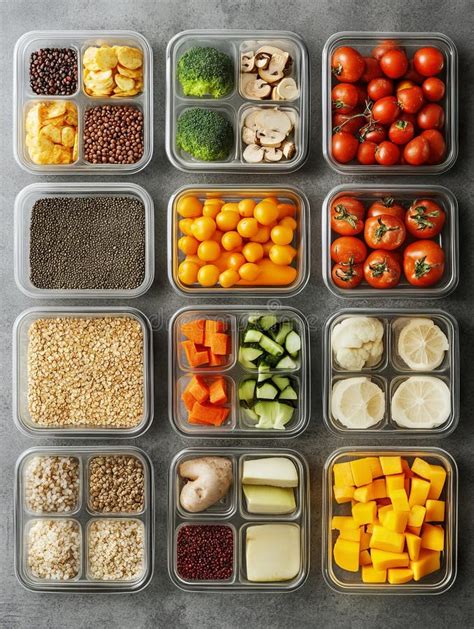
The cornerstone of a low-waste, produce-rich kitchen is the weekly meal plan. Real foodies don’t just jot down meals; they create a dynamic blueprint. This involves reviewing existing fridge and pantry items first, then planning meals that utilize overlapping ingredients, ensuring nothing goes unused. They consider ingredient lifecycles – using highly perishable items early in the week and saving sturdier produce for later.
Their shopping lists are precise, focusing on exact quantities needed rather than bulk buying ‘just in case.’ They’re adept at estimating consumption, opting for smaller, more frequent trips if necessary to ensure peak freshness and prevent spoilage. Farmers’ markets are often preferred not only for quality but for the ability to buy smaller, specific amounts.

Mastering Proper Produce Storage
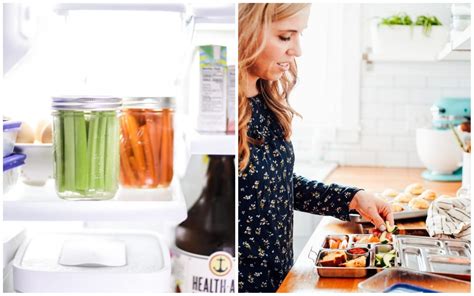
Once fresh produce enters the home, its fate largely depends on storage. Foodies are experts in the nuanced needs of different fruits and vegetables. Leafy greens are often washed, dried thoroughly, and stored in airtight containers lined with paper towels to absorb excess moisture. Herbs might find themselves in a glass of water, covered loosely with a bag, like a bouquet.
Berries are typically washed just before eating, or carefully spread out on a tray and flash-frozen if not consumed quickly. Root vegetables prefer cool, dark, dry places, while ethylene-producing fruits like apples and bananas are kept away from sensitive produce to prevent premature ripening. Understanding these simple but critical distinctions dramatically extends the life of their bounty.

Creative Cooking and Ingredient Utilization
A true foodie sees potential in every part of a vegetable. Broccoli stems are peeled and julienned for salads or stir-fries, carrot tops become pesto, and onion skins contribute to a rich vegetable broth. Batch cooking is common, transforming surplus vegetables into versatile components like roasted vegetable medleys, sauces, or puréed soups that can be enjoyed throughout the week.
They’re not afraid to improvise. A wilting bunch of spinach might become a vibrant addition to a frittata or a smoothie, rather than being discarded. Leftover cooked vegetables are reimagined into grain bowls, quesadillas, or quick stir-fries. The ‘eat me first’ section in the fridge is a sacred space, ensuring the most vulnerable ingredients are prioritized.

Embracing Preservation Techniques
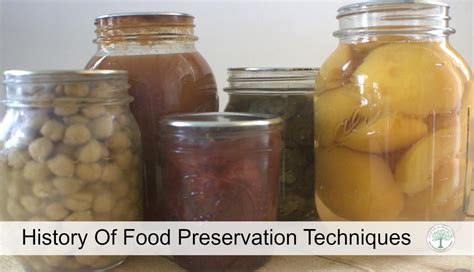
When faced with an abundance of seasonal produce, foodies turn to preservation. Freezing is a go-to for herbs (chopped and frozen in olive oil), berries, and blanched vegetables, ensuring a taste of summer even in winter. Pickling extends the life of cucumbers, peppers, and even less conventional items like radish or onion peels.
Dehydrating fruits for snacks or making fruit leathers are other popular methods. Jam-making, canning sauces, or creating homemade vegetable stock from accumulated scraps further reduces waste and builds a pantry of gourmet staples. These techniques aren’t just about saving food; they’re about capturing flavors at their peak.
Mindset: Flexibility and Continuous Learning
Ultimately, maximizing fresh produce and minimizing waste is less about rigid rules and more about a flexible, inquisitive mindset. Real foodies are constantly learning – new storage hacks, creative recipes for overlooked parts, or innovative preservation methods. They embrace the imperfection of produce, understanding that a slightly bruised apple or a floppy carrot is still perfectly edible and delicious.
Their kitchens are often dynamic hubs where ingredient rotation and waste assessment are subtle, ongoing processes. Composting is often the very last resort, reserved for truly inedible scraps, completing the cycle of sustainability.

The Reward of a Sustainable Kitchen
By integrating thoughtful planning, intelligent storage, creative cooking, and smart preservation into their weekly routines, real foodies transform their kitchens into powerhouses of flavor and sustainability. The result is not only less food waste and more delicious meals, but a deeper connection to the ingredients they cherish and the planet that provides them.