How do real foodies minimize kitchen waste with creative, delicious leftover recipes?

In a world increasingly conscious of sustainability, the kitchen remains a significant source of waste. For genuine food enthusiasts, however, the challenge of minimizing food waste isn’t a chore, but an exciting opportunity for culinary innovation. True foodies don’t see leftovers as mundane remnants; they view them as a blank canvas for new, delicious creations. This approach not only shrinks your trash can but also expands your gastronomic repertoire, proving that responsible eating can be incredibly rewarding.
The Foodie’s Philosophy: Elevating Leftovers
The first step in minimizing kitchen waste is a shift in mindset. Instead of discarding vegetable trimmings, stale bread, or last night’s roast chicken, a real foodie sees potential. It’s about respecting ingredients, understanding their versatility, and embracing the challenge of transforming them. This isn’t just about saving money; it’s about culinary creativity and environmental stewardship, ensuring every edible bit finds a delicious purpose.

Mastering the Art of Transformation: Creative Leftover Strategies
The secret lies in seeing ingredients not just as their original form, but for their core components: protein, fiber, flavor. A leftover roasted vegetable can become a vibrant frittata, a hearty soup, or a flavorful addition to a grain bowl. Cooked grains can be reimagined into crispy fritters or a comforting pilaf. The possibilities are endless when you approach cooking with a flexible and imaginative mind.
Breakfast & Brunch Bonanza
Eggs are a leftover’s best friend. Transform leftover roasted vegetables, cooked meats, or even rice into a sensational frittata, an exciting breakfast hash, or a savory omelet. Stale bread can be resurrected as French toast, bread pudding, or savory croutons for soups and salads. A little creativity at breakfast can tackle multiple small leftovers in one delightful meal.

Lunchbox Heroes & Dinner Delights
Lunch is prime time for leftover transformation. That lone grilled chicken breast? Shred it for tacos, a vibrant salad, or a chicken salad sandwich. Leftover rice can become the base for a quick fried rice, a refreshing rice bowl, or even crispy arancini. Dinner leftovers are perhaps the easiest to reinvent: last night’s pasta can be baked into a frittata, a meatloaf can be crumbled into chili, and any cooked vegetable can be tossed into a stir-fry or blended into a creamy soup.

Unexpected Twists: From Scraps to Gourmet
True waste-reduction goes beyond obvious leftovers. Vegetable peels and trimmings (onions skins, carrot tops, celery ends) make an excellent foundation for homemade vegetable stock, imbuing dishes with depth. Herb stems can be chopped finely and added to sauces or dressings. Citrus rinds can be candied, zested into baking, or infused into oils and vinegars. Even coffee grounds can be used as a soil amendment or in some unexpected dessert recipes. This ‘nose-to-tail’ approach for produce unlocks incredible flavor and minimizes discards.

Beyond Recipes: Practical Tips for a Zero-Waste Kitchen
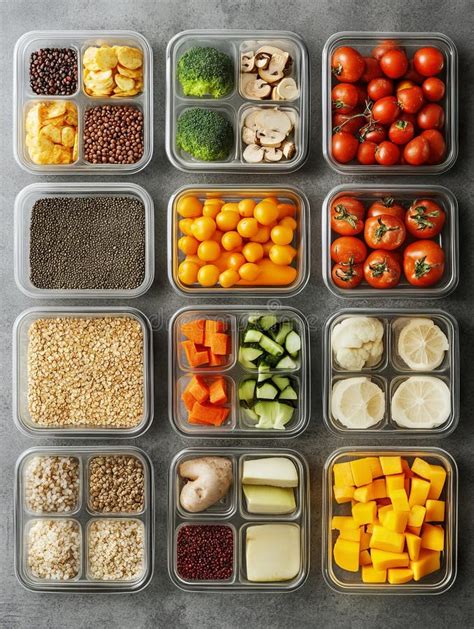
While creative recipes are key, a holistic approach to waste reduction also involves smart kitchen habits. Start with thoughtful meal planning to buy only what you need. Proper storage (airtight containers, correct temperatures) extends the life of ingredients and cooked food. Regular pantry and fridge audits help you use items before they spoil. And consider composting any truly inedible scraps to return nutrients to the earth. A well-organized kitchen is a waste-free kitchen.

Embracing a zero-waste mindset in the kitchen isn’t just an eco-friendly choice; it’s an exciting culinary adventure. By transforming what might otherwise be discarded into delectable new meals, real foodies not only champion sustainability but also continuously hone their creativity and expand their palates. So, next time you eye those leftovers, don’t see an ending—see a delicious new beginning.