How do ‘real foodies’ organize spices for max freshness & visual appeal in a small kitchen?
The Foodie’s Dilemma: Balancing Flavor and Space
For ‘real foodies’, spices are more than just ingredients; they are the heart and soul of a dish, the secret weapon for unlocking complex flavors and aromas. But in a small kitchen, where every inch counts, maintaining a vast and vibrant spice collection while also ensuring freshness and visual harmony can feel like an insurmountable challenge. The goal isn’t just storage; it’s about intelligent organization that preserves potency and inspires culinary creativity.
This guide will delve into practical, aesthetic, and freshness-focused strategies that seasoned home cooks employ to keep their spice game strong, no matter the kitchen size.
Prioritizing Freshness: The Foundation of Flavor
Before any organizing magic can happen, a true foodie understands that freshness is paramount. Ground spices lose their potency quickly, typically within 6-12 months, while whole spices can last 3-4 years. To maximize flavor, consider these freshness-first approaches:
- Buy Small, Buy Smart: Instead of bulk buying, purchase smaller quantities of frequently used spices to ensure they are consumed before losing their aroma. For less common spices, visit specialty stores with good turnover.
- Airtight and Opaque: Light, heat, and air are enemies of spice longevity. Store spices in airtight containers, ideally opaque glass or metal jars, away from direct sunlight and heat sources like stoves or dishwashers.
- Whole Over Ground: Whenever possible, buy spices whole (e.g., cumin seeds, peppercorns) and grind them just before use. A quality spice grinder (or even a coffee grinder dedicated solely to spices) is a foodie’s best friend.

Maximizing Small Spaces: Clever Storage Solutions
A small kitchen demands ingenious solutions that utilize every vertical and horizontal surface without cluttering. Here are some favorites:
- Vertical Integration: Wall-mounted spice racks, tiered shelves, or even magnetic strips affixed to the side of your refrigerator or a backsplash can transform unused vertical space into a functional spice hub.
- Drawer Dividers and Inserts: If you have a shallow drawer, custom-fit spice drawer inserts or angled tiered racks keep jars neatly arranged and labels easily visible when the drawer is open. This keeps spices away from light and heat.
- Cabinet Door Racks: The inside of cabinet doors offers prime real estate for slim spice racks. Just ensure they don’t interfere with shelves when the door closes.
- Lazy Susans: A rotating turntable in a corner cabinet or pantry makes accessing spices in deeper spaces effortless, preventing forgotten bottles from languishing at the back.

Elevating Visual Appeal: Uniformity and Accessibility
Beyond functionality, ‘real foodies’ appreciate an aesthetically pleasing kitchen. Uniformity and smart display contribute significantly to visual appeal:
- Matching Jars: Decanting store-bought spices into a set of identical, clear, or opaque jars instantly elevates the look. Square jars often fit more compactly than round ones.
- Consistent Labeling: Invest in a label maker or use handwritten labels for a personal touch. Place labels uniformly (e.g., on the lid or on the side facing outwards) for easy identification and a clean look. Include the purchase or expiry date on an inconspicuous spot.
- Display vs. Conceal: Decide which spices are ‘display-worthy’ (perhaps a small, frequently used selection on a beautiful shelf) and which should be concealed for freshness (the bulk of your collection).

The Tech & Tactic Approach: Inventory and Rotation
Even the best organization falls short without proper inventory management and rotation:
- Inventory List: Keep a running list of your spices, either digitally (spreadsheet, app) or on a physical card in your pantry. Note the purchase date and an estimated expiry. This prevents duplicate purchases and ensures you know what you have.
- First-In, First-Out (FIFO): When decanting, place older spices in front or on top of newer ones. Consider adding a small sticker with the decanting date to each jar.
- Regular Purge: Schedule a quarterly or semi-annual ‘spice audit.’ Open each jar, sniff, and if the aroma is faint or non-existent, it’s time to replace it. Don’t cling to expired spices – they won’t enhance your cooking.
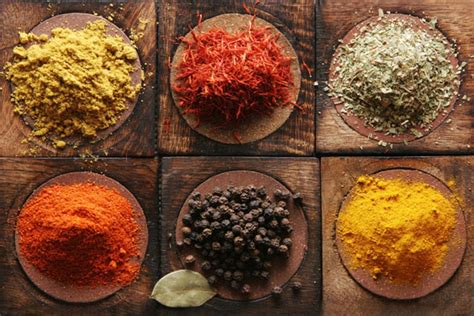
Bringing It All Together: A Cohesive Spice Strategy
The ultimate spice organization system in a small kitchen is often a hybrid approach, combining several of these methods tailored to your specific layout and cooking habits. A magnetic wall rack for frequently used items, a drawer insert for bulkier jars, and a small, beautifully labeled collection on an open shelf can coexist harmoniously.
Experiment with different solutions. What works for one small kitchen might not work for another. The key is to create a system that is intuitive for you, promotes freshness, and adds a touch of culinary elegance to your compact space. A well-organized spice collection isn’t just about tidiness; it’s about empowering your inner foodie to create exceptional meals, one perfectly fresh and accessible pinch at a time.