

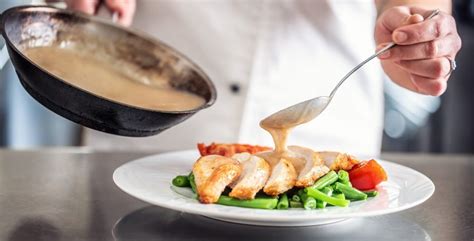
How do real foodies pinpoint authentic local culinary gems in new cities?
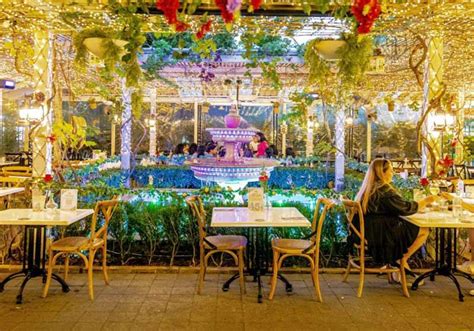
For the true foodie, travel isn’t just about sightseeing; it’s a passport to a world of flavors. Yet, in an era of globalized menus and tourist-trap restaurants, finding truly authentic local culinary gems can be a daunting quest. It’s a skill refined through experience, observation, and a willingness to step off the well-trodden path. So, how do seasoned food adventurers consistently strike gold?
Beyond the Guidebook: The Art of Pre-Trip Reconnaissance
Long before their bags are packed, real foodies are already deep into their culinary detective work. They eschew mainstream travel blogs and generic ‘top 10’ lists. Instead, they dive into local forums, niche food blogs, and independent culinary magazines specific to their destination. They seek out opinions from local chefs, food critics, and even expatriate communities who often share invaluable insights.
Social media becomes a powerful tool, not for following influencers, but for tracking local hashtags (#cityfood, #localdishes) and joining private food groups where residents discuss their favorite spots. The goal isn’t just to find restaurant names, but to understand the local food culture, signature dishes, and the ‘why’ behind a specific eatery’s popularity among its own people.
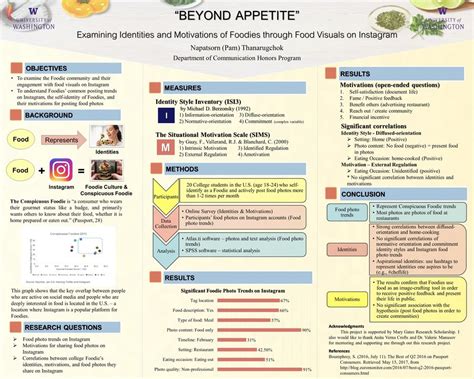
Boots on the Ground: Observing and Engaging with Locals
Once in a new city, the real work begins. Foodies understand that the best recommendations often come from the most unexpected sources. They strike up conversations with taxi drivers, bartenders, shop owners, and hotel staff – asking not where tourists eat, but where they take their families for a special treat or a quick, delicious bite. The key is to be specific and genuine in the inquiry, showing a true interest in their local traditions.
Observation is paramount. They look for bustling eateries during off-peak hours, or places with long lines composed primarily of locals. A restaurant packed with residents speaking the local language, especially one that doesn’t cater heavily to English speakers, is often a promising sign. They pay attention to where workers from nearby businesses grab their lunch – these often offer the best value and authenticity.
Deciphering the Cues: Visual & Sensory Indicators
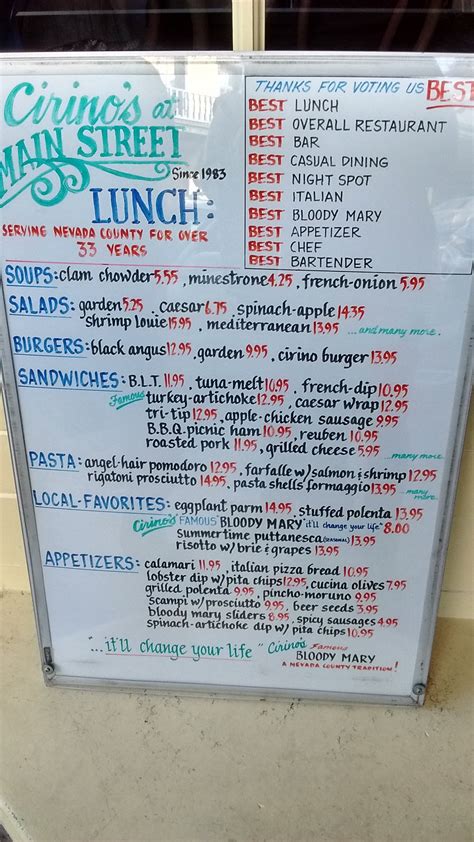
Authenticity often announces itself through subtle yet clear signals. Foodies scan for handwritten menus, especially if they’re in the local language, suggesting a daily rotation of fresh ingredients and a focus on tradition rather than mass appeal. A limited menu can also be a good sign, indicating mastery over a few dishes rather than a sprawling, mediocre offering.
The location itself speaks volumes. Restaurants tucked away on side streets, in residential neighborhoods, or slightly off the main thoroughfares are frequently more authentic than those occupying prime, high-traffic tourist spots. A lack of glossy photos of food on the menu, and an interior that feels lived-in and unpretentious, often points to a focus on the food itself rather than an instagrammable aesthetic.
Embracing the Unexpected: Markets and Street Food
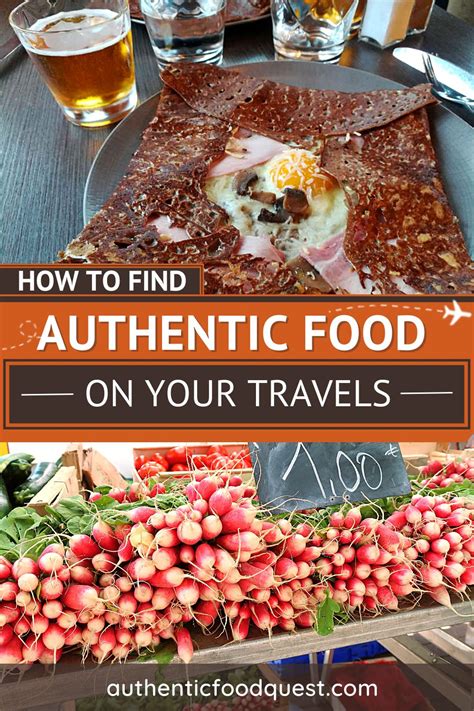
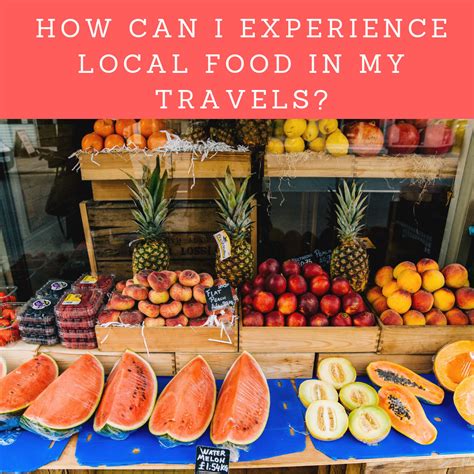
For many real foodies, the true heart of a city’s culinary identity lies in its markets and street food scene. Navigating vibrant local markets provides not just a chance to taste, but to understand the raw ingredients, seasonal produce, and spices that form the backbone of the cuisine. It’s an opportunity to interact directly with vendors, often discovering family recipes and culinary insights.
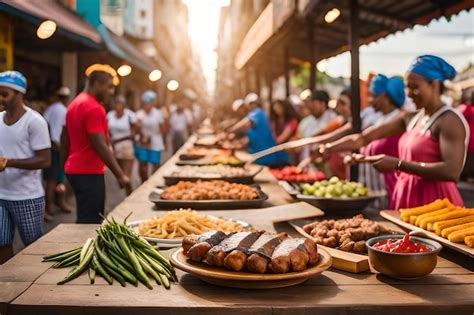
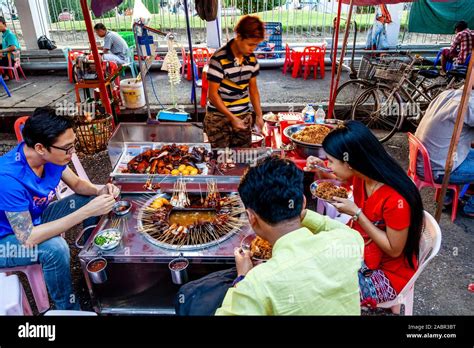
Street food vendors, particularly those with loyal followings, offer some of the most genuine and delicious local flavors. Observing which stalls attract the longest queues of locals, and being open to trying new things, is crucial. It’s here that one often finds dishes that are deeply ingrained in the local culture, perfected over generations, and served with minimal fuss but maximum flavor.
The Mindset: Curiosity, Openness, and a Dash of Bravery
Ultimately, the ability to pinpoint authentic culinary gems comes down to a specific mindset. It’s about curiosity – a genuine desire to understand and taste the local culture. It’s about openness – being willing to step out of one’s comfort zone, try unfamiliar ingredients, and dine in environments that might not fit conventional expectations of ‘fine dining’. And sometimes, it’s about a dash of bravery – trusting one’s instincts and taking a chance on a recommendation that feels right, even if it’s from an unexpected source.
The reward for this adventurous spirit is unparalleled: a true taste of a city, a connection to its people, and culinary memories that last far longer than any souvenir.