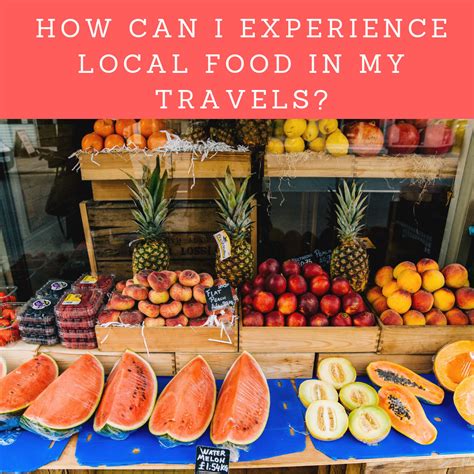
How do real foodies spot authentic local eats visually to avoid tourist traps?
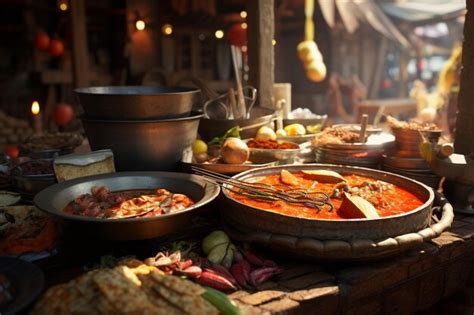
For the intrepid traveler and the dedicated foodie, the quest for authentic local cuisine is paramount. Nothing quite matches the thrill of discovering a hidden gem, a humble eatery where the flavors tell tales of tradition and community. But in a world peppered with tourist traps, how does one discern the real from the rehash?
The Power of Observation: Beyond the Brochure
True foodies develop a keen eye, a sixth sense that allows them to “read” an establishment before even stepping inside. This visual literacy is a powerful tool against disappointing, overpriced meals designed for the masses rather than the connoisseur.
Exterior Clues: What’s on the Outside?
The Signage and Facade
Begin your visual inspection from the outside. Tourist traps often have flashy, multilingual signs with generic images of food or oversized menus designed to grab attention. Authentic local spots, however, often feature more understated, perhaps even weathered, signage that prioritizes the local language. Look for handwritten specials or signs that feel genuinely integrated into the local streetscape.
Consider the overall aesthetic: is it overtly “themed” or does it blend naturally with its surroundings? A place that looks like it’s been there for decades, perhaps with a well-worn entrance, often signals authenticity.
The Crowd Test: Who’s Eating Here?
This is perhaps the most reliable visual indicator. Scan the patrons through the windows or from a safe distance. Are they predominantly locals? Dressed in everyday attire, speaking the local language, or simply carrying themselves with a comfortable familiarity that suggests regulars? If you see a sea of cameras, guidebooks, and confused expressions, it might be time to move on.
Interior Insights: Stepping Inside
The Menu and Pricing
Once inside, a quick glance at the menu can reveal a lot. Is it overwhelmingly long, offering every type of cuisine imaginable? This is a red flag. Authentic local eateries typically specialize in a smaller, focused selection of dishes, reflecting regional expertise. The pricing should also be consistent with local standards, not inflated for foreign wallets.
Decor and Atmosphere
Authentic spots rarely boast overly elaborate or “curated” decor aimed at creating an artificial cultural experience. Instead, you’ll find decor that is functional, perhaps simple, and genuinely reflective of the local culture and history, often showing signs of age and regular use. The atmosphere should feel lively and genuine, not performative.
The Food Itself: Visual Appetizers
Presentation and Portions
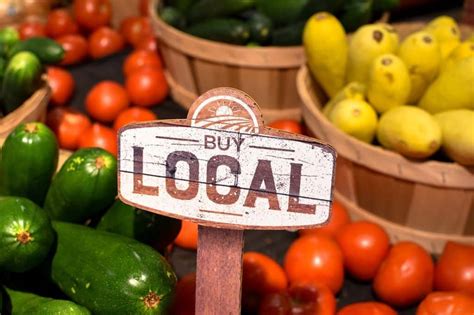
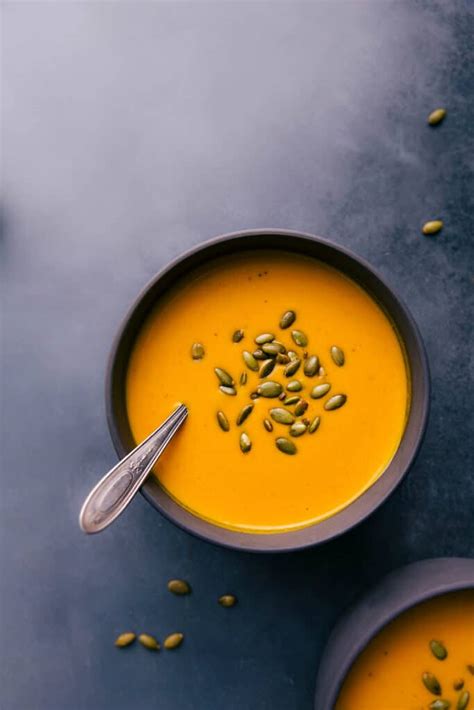
While some high-end local establishments might focus on intricate plating, many authentic, everyday eateries serve food that looks hearty, unpretentious, and designed for sustenance rather than just photography. Portions are often generous and practical. Look for fresh, vibrant ingredients that speak of local sourcing.
Visible Kitchens and Preparation
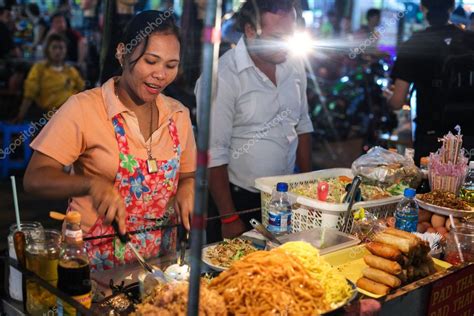
If you can catch a glimpse of the kitchen or the preparation area, observe the cleanliness and the methods. Seeing chefs actively cooking with fresh ingredients, especially in open kitchen or street food settings, adds a layer of trust and authenticity.

Beyond the Obvious: Trust Your Gut
Ultimately, spotting authentic local eats is an art form honed through practice. It’s about combining these visual cues with an intuitive sense of place. Does the place feel right? Does it hum with genuine local life? Avoid places with aggressive touts or those exclusively located in prime tourist zones without any local foot traffic. Real foodies understand that the best discoveries often lie just a few streets away from the main attractions, in neighborhoods where daily life unfolds.
Conclusion: The Reward of Authenticity
Embracing these visual strategies transforms dining into an adventure. By training your eyes to recognize the subtle signals of authenticity, you not only avoid disappointing meals but also gain a deeper connection to the culture and heart of the place you’re visiting. Happy hunting, and may your culinary journeys always lead to delicious, authentic discoveries!