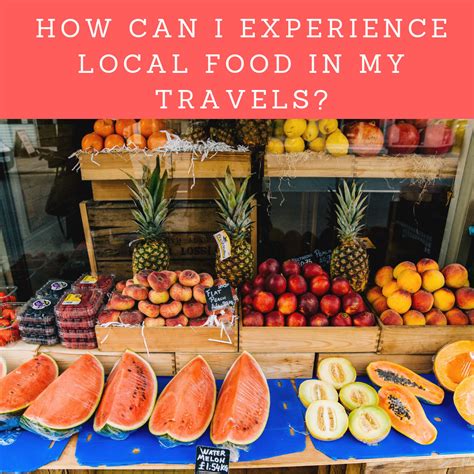
How do real foodies spot truly authentic local eats & capture amazing visuals?

For the true gastronome, travel is as much about the plate as it is about the place. The quest for authentic local eats is a pilgrimage, a deep dive into culture and tradition, and a journey often best shared through captivating visuals. But how do you sift through tourist traps to find those hidden gems, and then capture their essence in a way that truly makes mouths water?
The Art of Discovery: Unearthing Authentic Local Flavors
Spotting genuinely authentic local food requires a keen eye, a curious spirit, and sometimes, a little bit of daring. Forget the glossy brochures and steer clear of restaurants with multi-language menus prominently displayed outside.
Research Beyond the Tourist Trails
Before you even arrive, do your homework. Dive into local blogs, Instagram accounts of local foodies (not just travel influencers), and online forums. Look for discussions in the local language, even if you need a translation tool. Ask hotel staff or taxi drivers for their personal favorites, not just recommendations for tourists. These often lead to the most rewarding discoveries.
Observe and Follow the Locals
Once you’re on the ground, become an astute observer. What time of day are people lining up? Are there more locals than tourists? A good rule of thumb: if a place is bustling with locals, especially older generations, during non-peak tourist hours, it’s likely a winner. Don’t be afraid to venture a few blocks off the main drag; often, the best food is found tucked away on side streets or in unassuming eateries.
Engage Your Senses and Embrace the Unknown
Authenticity often comes with a certain rustic charm, not always pristine decor. Trust your nose – the aroma of simmering spices, freshly baked bread, or sizzling street food is often an undeniable beacon. Be open to trying dishes you don’t recognize and asking questions (even with gestures) about what locals are eating. Sometimes, the best experiences come from stepping entirely out of your comfort zone.
Mastering the Visual Story: Capturing Culinary Magic
Once you’ve found your culinary treasure, the next step is to immortalize it. Food photography isn’t just about snapping a picture; it’s about conveying the story, the texture, the aroma, and the emotion of the dish.
Harness Natural Light
This is arguably the most crucial element. Always seek out natural light, ideally soft, diffused light from a window or an open-air setting. Avoid direct harsh sunlight, which creates harsh shadows, and never use your camera’s built-in flash, which flattens the image and distorts colors. Position your dish so the light comes from the side or slightly behind, highlighting textures and creating depth.

Composition is Key
Think about the rule of thirds, leading lines, and negative space. Experiment with different angles – a straight-on shot for stacked dishes, an overhead shot (flat lay) for vibrant spreads, or a 45-degree angle to show depth. Get close to emphasize details like glistening sauces, crispy edges, or intricate garnishes. Don’t forget the surroundings: a blurred background of a bustling market or a traditional table setting adds context and atmosphere.
Focus on Details and Texture
What makes this dish unique? Is it the steam rising from a bowl of noodles, the char on grilled meat, or the delicate layers of a pastry? Use a shallow depth of field to draw attention to these specific elements, blurring out distractions. Capture the ‘action’ – a hand reaching for a piece of bread, chopsticks poised over a bowl, or a drink being poured – to add a dynamic human element to your shot.

Be Respectful and Discreet
Always ask permission before photographing people, especially in more conservative cultures. In busy restaurants, try to be quick and unobtrusive. Remember, you’re a guest in someone’s establishment and culture. A quick snap of your food is generally fine, but elaborate photoshoots can disrupt the dining experience for others. A little politeness goes a long way.
Subtle Editing for Impact
Good photography often involves a touch of post-processing. Adjust brightness, contrast, and white balance to make your food look its best, but avoid over-editing. The goal is to enhance the natural beauty of the dish, not to create an artificial version. A slight boost in saturation can bring out vibrant colors, but keep it subtle to maintain authenticity.
The Journey and the Story
Ultimately, the quest for authentic local eats and the art of capturing them is about more than just food; it’s about the entire experience. It’s about connecting with a place through its most primal form of expression, engaging with people, and then sharing that unique story with the world. So next time you travel, put on your foodie hat, open your senses, and let your camera tell the delicious tale.