How do real foodies store fresh herbs for max flavor & visual appeal?
Fresh herbs are the soul of many dishes, offering bright flavors, enticing aromas, and vibrant visual appeal. However, their delicate nature often leads to wilting and spoilage long before they can all be used. Real foodies understand that proper herb storage is key to maximizing both flavor and aesthetic in their culinary creations. It’s not just about tossing them in the fridge; it’s about understanding the unique needs of different herbs and employing smart, targeted techniques.
The Perishable Predicament: Why Herbs Wilt So Quickly
Herbs, especially soft-stemmed varieties, are living plants that continue to respire and lose moisture after being harvested. Exposure to air, improper temperatures, and lack of hydration are the primary culprits behind sad, limp leaves. But fear not, for with a few simple tricks, you can significantly extend their vibrant life and keep their potent flavors intact.
The Water-Bath Method: A Drink for Delicate Greens
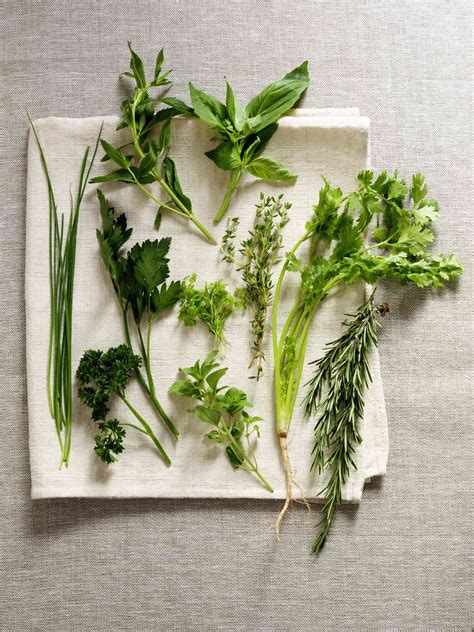
This technique is perfect for tender, leafy herbs like parsley, cilantro, basil, mint, dill, and chives. It mimics keeping flowers in a vase, providing constant hydration.
- Preparation: Trim about half an inch off the bottoms of the stems. Remove any bruised or yellowed leaves.
- Hydration: Place the herb stems into a glass or jar filled with an inch or two of fresh water, ensuring only the stems are submerged.
- Protection: For most herbs, loosely cover the top with a plastic bag (a produce bag works well) to create a humid environment. Basil, however, prefers to be left uncovered at room temperature, as refrigeration can cause its leaves to blacken.
- Storage: Store the covered herbs in the refrigerator (except basil) and change the water every 1-2 days.
The Damp Paper Towel Roll: For Robust & Resilient Herbs
Hardier, woody-stemmed herbs like rosemary, thyme, oregano, and sage thrive with a different approach. They don’t need constant hydration through their stems and prefer less humidity in direct contact with their leaves.
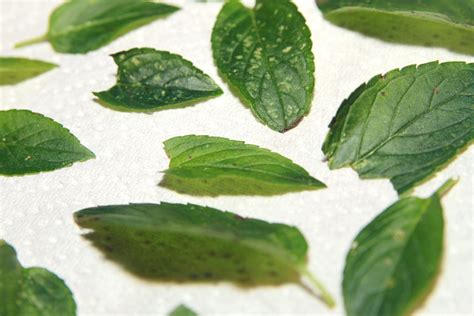
- Preparation: Gently wash the herbs under cool water and pat them thoroughly dry with a paper towel. Moisture is the enemy here, promoting rot.
- Wrap: Lay the dry herbs flat on a slightly damp (not wet!) paper towel. Roll them up gently but securely.
- Container: Place the wrapped bundle into a resealable plastic bag or an airtight container.
- Storage: Store in the crisper drawer of your refrigerator. These herbs can last for up to two weeks or even longer with this method.
Beyond the Fridge: Long-Term Preservation Techniques
Sometimes, you have an abundance of herbs or want to store them for months. Real foodies have several clever ways to do this without significant flavor loss.
Freezing: Blanch & Cube for Convenience
Freezing is excellent for many herbs, especially those you’ll use in cooked dishes like pestos, soups, or sauces. Parsley, cilantro, chives, dill, basil, mint, and tarragon freeze well.
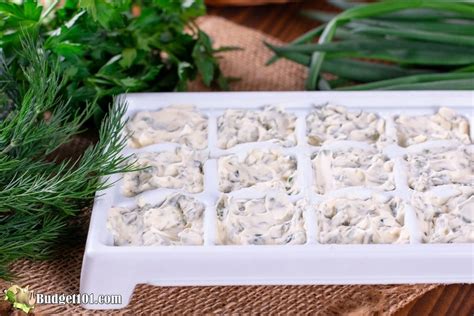
- Method 1 (Chopped): Wash and thoroughly dry the herbs. Finely chop them and place a tablespoon or two into ice cube trays. Fill with water or olive oil and freeze. Once solid, transfer the herb cubes to a freezer-safe bag or container.
- Method 2 (Whole Leaf): For herbs like basil, blanching them briefly in boiling water, then shocking them in ice water, can help retain color and flavor before freezing. Pat dry, then freeze flat on a baking sheet before transferring to a bag.
Drying: The Old-School Approach
While fresh is often best, drying intensifies the flavor of many woody herbs like oregano, thyme, rosemary, and bay leaves. You can air-dry them by hanging small bundles in a well-ventilated, dark place, or use a dehydrator on a low setting.
Creative Culinary Storage: Infused Oils & Pestos
For an active foodie, transforming herbs into a usable format is another brilliant storage hack. This not only preserves the herbs but also creates a ready-to-use ingredient.
- Herb Oils: Infuse olive oil with hearty herbs like rosemary, thyme, or oregano. While visually appealing, always use proper food safety guidelines to prevent botulism when storing homemade infused oils at room temperature (refrigeration is best for short-term).
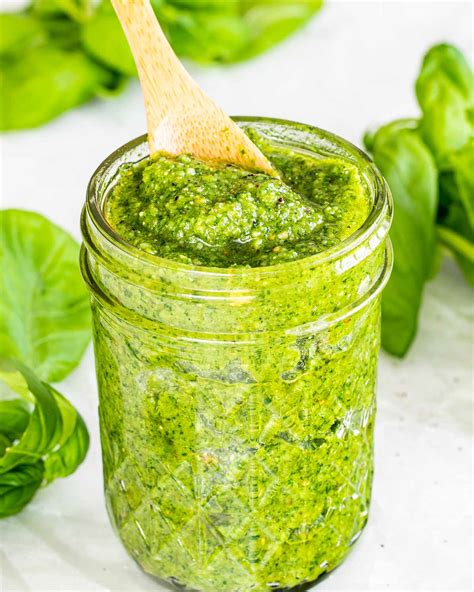
- Pestos: Whizz up a classic basil pesto or experiment with other herbs like cilantro or parsley. Store pesto in an airtight container in the fridge, topped with a thin layer of olive oil to prevent oxidation, or freeze in small portions.
Master Foodie Tips for Peak Herb Performance
Beyond the primary storage methods, a few extra tips will elevate your herb game:
- Start with Quality: Always buy or harvest the freshest, most vibrant herbs possible. Their longevity starts here.
- Gentle Handling: Treat herbs with care. Avoid crushing or bruising the leaves, which releases essential oils prematurely and hastens decay.
- Thorough Drying (When Applicable): For methods requiring dry herbs, ensure they are bone-dry. Any residual moisture is a breeding ground for mold and rot.
- Airtight Containers: Once dried or frozen, always store herbs in truly airtight containers to prevent freezer burn or moisture absorption.
- Regular Checks: Even with the best methods, occasionally check your herbs. Remove any wilting or rotting pieces to prevent spoilage from spreading.
Conclusion: Elevate Your Culinary Creations
Mastering the art of herb storage is a hallmark of a true foodie. By implementing these tailored techniques, you’ll not only reduce food waste but also ensure that your dishes consistently burst with the freshest, most potent flavors and boast an irresistible visual appeal. No more sad, wilted sprigs; only vibrant, aromatic herbs ready to transform your next meal into a masterpiece.