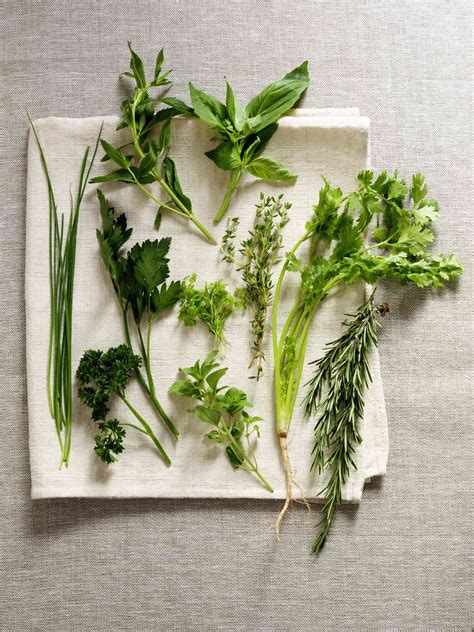
How do real foodies store fresh herbs to keep them vibrant longer?

Elevate Your Culinary Game: The Secrets to Long-Lasting Fresh Herbs
There’s nothing quite like the bright, aromatic punch of fresh herbs to transform a dish from good to extraordinary. Yet, many home cooks lament the fleeting lifespan of their freshly purchased greens, often finding them wilted and lifeless after just a few days. But for those in the know – the true foodies – vibrant, fragrant herbs aren’t a luxury; they’re a standard. The secret lies not just in how you buy them, but crucially, in how you store them.
The Golden Rules of Herb Preservation
Before diving into specific methods, understand the universal principles that underpin successful herb storage: cleanliness, controlled moisture, and protection from extreme temperatures. Always start by gently cleaning your herbs if they look dirty, but resist the urge to wash them thoroughly until just before use, as excess moisture can accelerate spoilage. Proper drying after any washing is paramount.
Method 1: The “Bouquet” Approach for Sturdier Herbs
This classic method works wonders for herbs with more robust stems, such as parsley, cilantro, mint, and tarragon. Treat them like a miniature floral arrangement:
- Trim Stems: Snip about an inch off the bottom of the stems.
- Water Bath: Place the trimmed herbs upright in a glass jar or container with about an inch of fresh water, ensuring only the stems are submerged.
- Cover and Refrigerate: Loosely cover the entire setup with a plastic bag (a produce bag works perfectly), creating a mini-greenhouse effect. Place the jar in the refrigerator.
Change the water every day or two, and your herbs can stay fresh and crisp for up to two weeks, sometimes even longer.
Method 2: The “Paper Towel Roll-Up” for Delicate Herbs
For more delicate leafy herbs like dill, chives, and even some varieties of basil (though basil has its own special consideration, see below), the paper towel roll-up technique offers excellent protection:
- Gentle Wash (Optional) & Thorough Dry: If you must wash, do so very gently and then dry them completely using a salad spinner or by patting them meticulously with paper towels. Any residual moisture is the enemy.
- Wrap It Up: Lightly dampen a few paper towels. Lay the herbs flat on the damp paper towels, then gently roll them up.
- Seal and Chill: Place the rolled bundle into a resealable plastic bag or an airtight container. Store in the crisper drawer of your refrigerator.
This method can extend the life of these sensitive herbs for about one to two weeks, keeping them from wilting or turning slimy.

The Basil Anomaly: Room Temperature is Key
Basil is a notorious rebel in the herb world. Unlike most of its leafy brethren, basil despises the cold. Refrigeration will often cause its leaves to blacken and lose flavor rapidly. Instead, treat basil like a cut flower:
- Trim and Hydrate: Trim the ends of the basil stems.
- Water Bath at Room Temp: Place the basil bouquet into a glass of water on your kitchen counter, away from direct sunlight and drafts.
- Loose Cover: You can loosely cover the leaves with a plastic bag if desired, but it’s not strictly necessary.
Changing the water daily will keep your basil vibrant and fragrant for about a week. If you notice any darkening, use those leaves quickly!
Long-Term Solutions: Freezing and Drying
Sometimes, simply extending the shelf life isn’t enough; you need to preserve a bumper crop for months. Freezing and drying are excellent long-term strategies.
Freezing Herbs in Oil or Water
This method is fantastic for retaining much of the herb’s flavor and color, perfect for adding to cooked dishes later:
- Chop and Combine: Roughly chop your herbs (parsley, cilantro, chives, dill, oregano, thyme all work well).
- Ice Cube Trays: Pack the chopped herbs into ice cube trays.
- Fill: Pour olive oil or water over the herbs until they are submerged.
- Freeze: Freeze until solid.
- Store: Once frozen, pop the cubes out and transfer them to a freezer-safe bag, labeling with the herb and date.
These herb cubes can last for several months and are incredibly convenient for adding a burst of flavor to soups, stews, sauces, and sautés.

Drying Herbs
For woody herbs like rosemary, thyme, oregano, and bay leaves, drying is a time-honored preservation method. Simply tie small bundles together and hang them upside down in a cool, dry, well-ventilated area until brittle. Once dry, strip the leaves from the stems and store them in airtight containers away from light and heat.

Final Thoughts: A Little Effort, A Lot of Flavor
Embracing these foodie-approved herb storage techniques requires a minimal amount of effort but yields significant rewards in flavor and freshness. By understanding the unique needs of different herbs and applying the appropriate preservation method, you’ll dramatically reduce waste and always have vibrant, aromatic greens at your fingertips, ready to elevate any culinary creation.