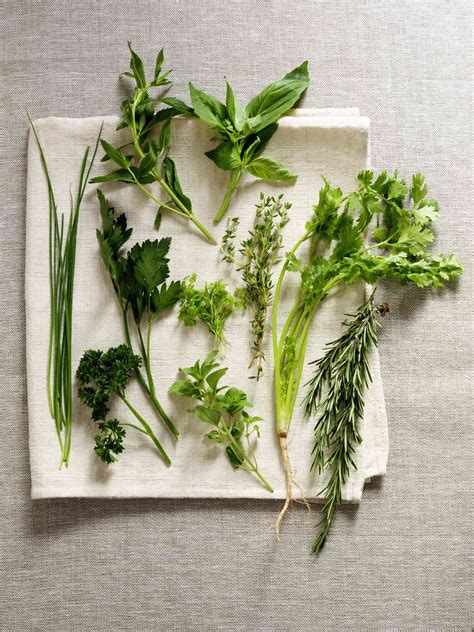
How do real foodies store fresh herbs to keep them vibrant & visually appealing longer?

For any true culinary enthusiast, fresh herbs are non-negotiable. They add a burst of flavor, aroma, and visual appeal that dried alternatives simply can’t replicate. However, the fleeting lifespan of fresh herbs can be a source of frustration, often turning vibrant green leaves into wilted, unappetizing remnants within days. But fear not! Real foodies have mastered the art of herb preservation, employing clever techniques that extend their vitality and ensure they’re always ready to elevate your dishes.
The Golden Rule: Prep Before Storage
Before diving into specific storage methods, a crucial first step applies to almost all fresh herbs: proper preparation. Upon bringing herbs home, resist the urge to immediately stash them in the fridge without a little attention. Start by gently washing them under cool, running water to remove any dirt or debris. The most critical part follows: drying. Excess moisture is the enemy of fresh herbs, accelerating spoilage and mold growth. Use a salad spinner or carefully blot them dry with paper towels until there’s no visible water. This seemingly small step makes a monumental difference in their longevity.
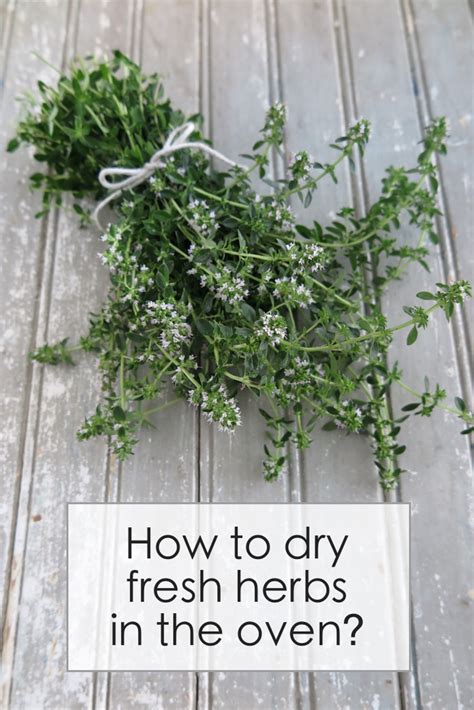
Tender Herbs: The Bouquet Method
Tender herbs like basil, cilantro, parsley, mint, and dill thrive on moisture but not direct water contact on their leaves when stored. The ideal method mimics a bouquet of flowers:
- Trim the Stems: Just like flowers, snip about half an inch off the bottom of the stems.
- Water Bath: Place the trimmed herbs upright in a glass jar or container with about an inch of fresh water at the bottom.
- Cover and Chill: For basil, which is sensitive to cold, cover loosely with a plastic bag and store on the countertop away from direct sunlight. For cilantro, parsley, and dill, cover loosely with a plastic bag and place them in the refrigerator. Change the water every day or two.
This method keeps the herbs hydrated through their stems, preventing wilting while minimizing surface moisture that can cause rot.

Hardy Herbs: The Damp Paper Towel Roll
Hardy herbs such as rosemary, thyme, oregano, and sage have woodier stems and tougher leaves, making them less prone to wilting and more susceptible to moisture-induced rot if kept in a water bath. Their preferred method involves controlled humidity:
- Damp Paper Towel: After washing and thoroughly drying, lay the herbs in a single layer on a slightly damp (not wet) paper towel.
- Roll and Store: Gently roll the herbs up in the paper towel, then place the roll inside a resealable plastic bag or an airtight container.
- Refrigerate: Store them in the crisper drawer of your refrigerator. The damp paper towel provides just enough moisture to prevent them from drying out without making them soggy.

For Long-Term Storage: Freezing is Your Friend
When you have an abundance of herbs or want to preserve their flavor for months, freezing is an excellent option that savvy foodies swear by:
- Chopped and Frozen in Oil: Finely chop herbs (like parsley, cilantro, basil, or chives). Pack them into ice cube trays, then cover them with olive oil or melted butter. Freeze until solid, then pop out the herb cubes and store them in a freezer-safe bag. These are perfect for adding directly to hot dishes, soups, or sauces.
- Blanched for Brighter Color: For herbs like basil or mint, a quick blanch (a few seconds in boiling water followed by an ice bath) can help preserve their vibrant green color before pureeing and freezing in small portions or ice cube trays.
Freezing retains much of the flavor, though the texture might be slightly softer once thawed, making them ideal for cooked applications rather than fresh garnishes.

Common Pitfalls to Avoid
Even with the best intentions, some practices can shorten your herbs’ life:
- Overcrowding: Don’t stuff too many herbs into one container; air circulation is vital.
- Unwashed Herbs: Dirt and microbes can accelerate spoilage.
- Wet Herbs: As reiterated, moisture is the enemy of freshness.
- Too Cold (for some): Basil is notoriously finicky and can turn black if stored in the coldest part of your fridge. Countertop storage (with water and covered) is often best for it.
By adopting these simple yet effective strategies, you can significantly extend the life of your fresh herbs, ensuring they remain vibrant, flavorful, and visually appealing. No more tossing wilted greens – just fresh, aromatic herbs ready to transform your next meal into a culinary masterpiece. Happy cooking!