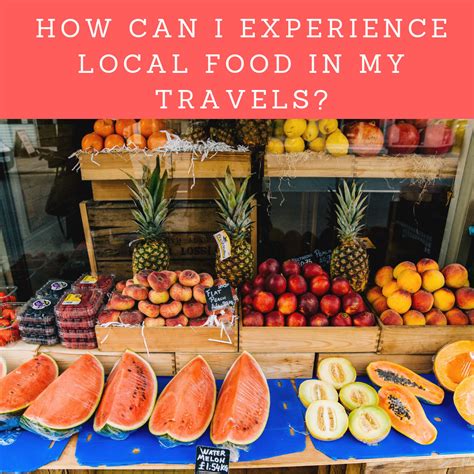
How do real foodies use visuals to find authentic local eats & avoid tourist traps?

For the true foodie, travel isn’t just about seeing new places; it’s about tasting them. The quest for authentic local cuisine is paramount, but navigating a foreign culinary landscape without falling into tourist traps can be a challenge. This is where visual intelligence becomes a powerful tool. Real foodies don’t just eat; they observe, analyze, and decode visual cues, both online and in person, to unearth the most genuine gastronomic experiences.
The Visual Toolkit: Decoding Online Clues
In the digital age, the journey to a great meal often begins long before you even step foot in a new city. Savvy foodies know how to leverage online platforms, not just for recommendations, but for crucial visual insights.
Social Media Savvy: Beyond the Pretty Plate
Social media platforms like Instagram, TikTok, and local food blogs are treasure troves, but discerning foodies look past the perfectly styled, influencer-sponsored posts. Instead, they seek out authenticity in user-generated content. Are the photos diverse? Do they show locals genuinely enjoying the food, rather than just posing with it? Look for a variety of dishes, a bustling atmosphere, and perhaps even glimpses of the kitchen or cooking process. Geo-tags and specific local hashtags can lead you to less-publicized spots favored by residents.

Review Sites: Read Between the Lines (and Pixels)
While written reviews offer valuable context, the real gold on platforms like Google Maps or TripAdvisor lies in the user-submitted photos. A true foodie scrutinizes these images: Do multiple customers consistently post photos of the same well-loved dish? Does the restaurant’s interior look genuine, or is it generic and designed for mass appeal? Are the clientele in the photos a mix of locals and tourists, or predominantly one over the other? Inconsistent or overly polished customer photos might be a red flag.

On-the-Ground Intelligence: What Your Eyes Can Tell You
Once you’re in a new location, your powers of observation become your best guide. The visual cues in the physical world are often the most reliable indicators of an authentic dining experience.
The Local Crowd Test
This is perhaps the oldest and most reliable visual trick in the foodie handbook: eat where the locals eat. Walk past potential restaurants and observe. Is the place packed, especially during off-peak tourist hours (like a late lunch or early dinner for locals)? Are the patrons speaking the local language, looking comfortable and familiar with the menu? A restaurant full of locals is a strong visual endorsement of quality and authenticity. Conversely, an empty restaurant in a busy area, or one filled exclusively with other tourists, should raise a red flag.
Restaurant Aesthetics and Menu Cues
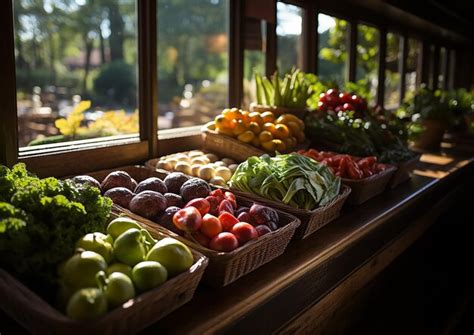
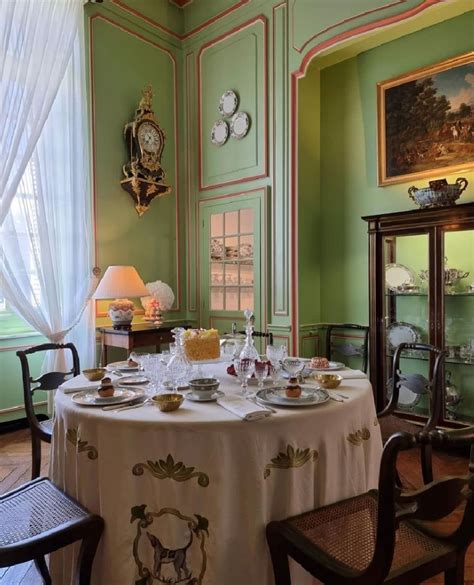
Visually assess the restaurant itself. Authentic local eateries often have a specific charm – it might be humble, bustling, or decorated with local art and artifacts, rather than generic ‘international’ décor. Pay attention to the menu: Is it exclusively in the local language, perhaps with minimal, unpolished translations, or is it a glossy, multi-lingual tome with pictures of every dish? The latter often signals a tourist-oriented spot. Look for signs of fresh, local ingredients on display, or a visible, active kitchen that looks well-used and clean.
Street Food Stalls and Markets: A Feast for the Eyes
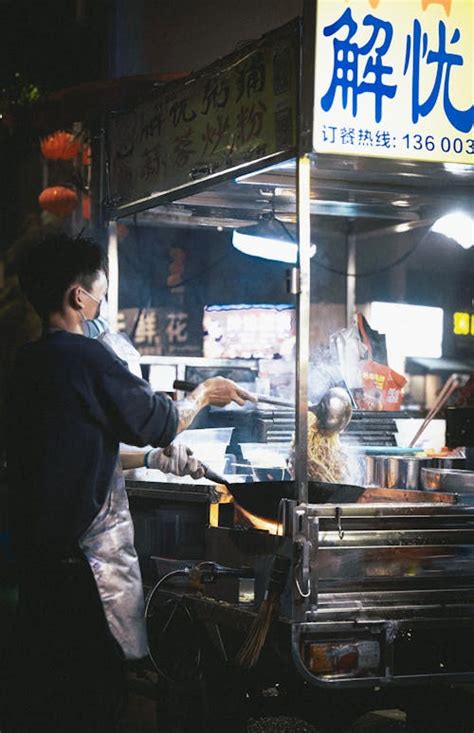
Street food offers some of the most authentic culinary experiences, and visuals are key here. Observe the vendors: Are they meticulous about their craft? Are their ingredients fresh and vibrantly colored? Watch for where locals are queuing – the longest line usually indicates the best food. The sizzling woks, steaming pots, and colourful displays of produce and prepared dishes are not just appealing; they are indicators of freshness and local popularity.
Avoiding the Obvious Tourist Traps
Visual vigilance also means recognizing the signs of a tourist trap. Bright, aggressive signage advertising “International Cuisine” or “Best Pizza in Town” in a generic font is often a warning. Restaurants with employees aggressively trying to usher you in from the street, or those located directly adjacent to major tourist landmarks without any visible local clientele, are typically best avoided. These places prioritize volume and convenience over quality and authenticity.
Ultimately, the discerning foodie’s greatest asset is their keen eye. By consciously observing and interpreting visual cues, both online and in the streets, you can dramatically improve your chances of discovering truly authentic local eats and craft unforgettable culinary adventures, far from the well-worn paths of tourist traps.