How do real foodies visually capture authentic local eats for top feeds?
The Art of Capturing Culinary Authenticity
For the discerning foodie, savoring a dish is only half the adventure; the other half is immortalizing that experience through a lens. But it’s not just about snapping a picture; it’s about visually capturing the very essence, the authenticity, and the story behind local eats that resonate with a global audience. Top foodies understand that a great feed isn’t merely a collection of pretty plates, but a curated narrative of culinary exploration and genuine discovery.
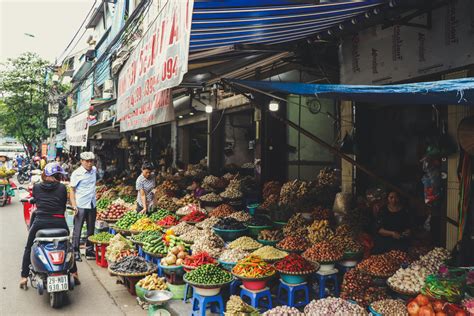
The challenge lies in translating a multi-sensory experience – the aroma, the texture, the vibrant atmosphere of a bustling street food market – into a compelling two-dimensional image. It requires a keen eye, technical know-how, and a deep appreciation for the local culture that brings the food to life. From the bustling hawker stalls to the quaint family-run eateries, every setting offers a unique visual story waiting to be told.
Mastering Natural Light and Angles
The first rule of thumb for any successful food shot is good lighting. Real foodies are masters of seeking out natural light, understanding that artificial flashes often flatten a dish and strip away its inviting warmth. They’ll often scout locations for optimal morning or afternoon light, which casts soft, flattering shadows and highlights the textures and colors of the food. Overcast days are a secret weapon, providing a giant softbox effect that’s ideal for food photography.
Angles are equally crucial. While a flat lay (overhead shot) works wonders for showcasing a spread, a 45-degree angle often best captures the dimension and depth of a single dish, highlighting layers and garnishes. Experimentation is key, but the goal remains consistent: make the food look as appetizing as possible, as if someone could reach out and taste it through the screen.
Telling a Story Beyond the Plate
Authenticity in food photography extends beyond just the dish itself. It involves capturing the context, the people, and the environment that contribute to the culinary experience. Real foodies often include elements that tell a broader story: the hands preparing the food, the rustic tableware, a glimpse of the bustling kitchen, or even the local setting where the meal is enjoyed. These details ground the image in its locale and add a layer of narrative that deeply engages viewers.
Incorporating local elements, whether it’s a traditional textile beneath the plate or a distinctive piece of architecture in the background, subtly reinforces the ‘local’ aspect. This visual storytelling elevates the content from mere food porn to an immersive cultural journey, inviting followers to imagine themselves in that very spot, savoring that very dish.
Subtle Enhancements for Visual Impact
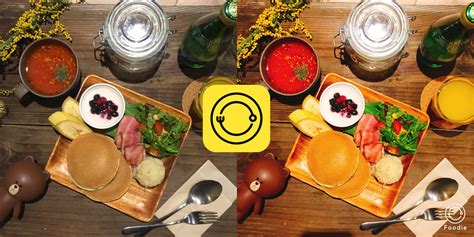
While the goal is authenticity, a touch of post-processing can often enhance what’s already there without creating an artificial look. Real foodies utilize editing tools to subtly adjust exposure, contrast, and white balance, ensuring the colors are true-to-life and vibrant. They might also gently sharpen the image to bring out details and textures.
The key is restraint. Over-editing can make a dish look unnatural and unappetizing. The best edits are those that go unnoticed, merely optimizing the original capture to its full potential, making it pop just enough to grab attention in a crowded feed while maintaining its genuine appeal.
Embracing the Local Experience
Ultimately, the most successful food photography comes from a place of genuine enthusiasm and respect for the local culinary scene. It’s about more than just getting a good shot; it’s about engaging with the experience, perhaps chatting with the vendor, learning about the ingredients, and allowing that appreciation to shine through the image. This genuine connection translates into photographs that not only look good but feel good, too.
By focusing on natural light, thoughtful composition, rich storytelling, and subtle enhancements, real foodies transform simple meals into visual feasts that command attention. They don’t just take pictures of food; they craft compelling visual narratives that transport their audience, one authentic local eat at a time, solidifying their place at the top of any feed.