How do real foodies visually capture authentic local eats on adventure trips?

Beyond the Plate: Capturing Culinary Journeys
For the genuine foodie, an adventure trip isn’t just about tasting new flavors; it’s about immersing oneself in the culture, and a significant part of that immersion is visually documenting the authentic local eats. It’s an art form that goes beyond simple snapshots, aiming to capture the essence, the context, and the story behind each dish. This guide delves into the strategies and techniques real foodies employ to bring their culinary adventures to life through their lens.
The Foodie’s Photographic Philosophy: Authenticity First
Unlike commercial food photography, the goal on an adventure trip is less about perfect styling and more about raw authenticity. Real foodies prioritize capturing the dish as it is served, in its natural environment, often bustling with local life. This means embracing imperfect lighting, the worn texture of a street food stall, or the joyous chaos of a local market. The philosophy is simple: show the food within its cultural tapestry, not isolated on a pristine white background.
Context is King
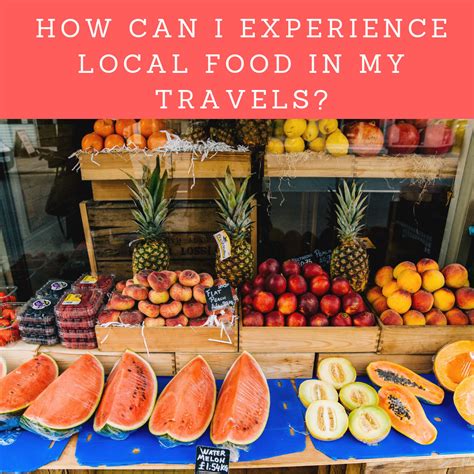
A dish doesn’t exist in a vacuum. Its story includes the hands that prepared it, the bustling market where ingredients were sourced, the worn table it’s served on, and the faces of those enjoying it. Savvy food photographers understand that including these contextual elements adds depth and narrative to the image, elevating it from a mere picture of food to a compelling visual story.
Pre-Trip Prep: Setting the Visual Stage
Before even stepping onto foreign soil, a true foodie begins their visual quest with research. Understanding the local cuisine, common serving styles, and potential photo opportunities in markets or eateries can significantly enhance the visual outcome. Identifying key dishes and the best places to find them allows for a more focused photographic approach, rather than simply reacting to whatever appears on a plate.
Essential Gear for the Adventurous Food Photographer
While professional cameras offer unparalleled control, the best camera is often the one you have with you. Modern smartphones, with their advanced cameras and editing capabilities, are incredibly powerful tools for capturing local eats discreetly and efficiently. For those seeking more control, a mirrorless camera with a versatile prime lens (like a 50mm equivalent) is an excellent choice for its ability to perform well in low light and create beautiful background blur (bokeh).
Minimalist Accessories
Heavy gear can hinder spontaneous capture. A lightweight mini-tripod can be invaluable for low-light situations or when seeking a steady shot. A small, portable LED light panel can also be a game-changer for illuminating dishes in dim restaurants or at night markets, but always aim for natural light first.
Mastering the Shot: Techniques for Authentic Visuals
Embrace Natural Light
Natural light is the food photographer’s best friend. Seek out window seats, outdoor dining areas, or the shade of a street stall. Position the food so the light falls on it from the side or slightly behind, highlighting textures and creating depth. Avoid direct flash at all costs, as it flattens the image and creates harsh shadows.
Composition is Key, But Be Flexible
Familiarize yourself with basic composition rules like the rule of thirds, leading lines, and negative space. However, on an adventure trip, flexibility is crucial. Sometimes, the most compelling shot comes from breaking the rules or capturing a candid moment. Experiment with different angles – overhead shots (flat lays) are popular for showing an entire spread, while eye-level shots connect the viewer more intimately with a single dish.
Capture the Process, Not Just the Product
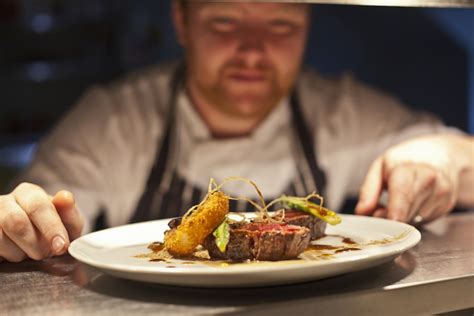
The journey of food, from preparation to consumption, offers rich visual opportunities. Don’t shy away from photographing a chef expertly slicing ingredients, a vendor stirring a simmering pot, or local patrons enjoying their meals. These ‘action’ shots add dynamism and narrative to your collection.
Storytelling Through Your Lens
Ultimately, the goal is to tell a story. This involves more than just beautiful photos of food. It’s about capturing the atmosphere, the people, the textures, and the colors that define a culinary experience. Don’t be afraid to include hands reaching for food, steam rising from a bowl, or the vibrant chaos of a spice market. These elements weave together to form a rich tapestry that transports viewers to your adventure.
Editing for Impact (Subtly)
Post-processing can enhance your images, but aim for subtle adjustments. Focus on correcting exposure, white balance, and adding a touch of contrast or sharpness to make the food pop without looking artificial. The goal is to refine, not to reinvent, the authenticity you’ve captured.
Sharing Your Culinary Narrative
Once captured, these visual stories become invaluable souvenirs, sharing your adventures with friends, family, and fellow food enthusiasts. Whether through social media, personal blogs, or photo albums, these images allow others to experience a slice of the local culture and taste the journey through your eyes. For the real foodie, visually capturing authentic local eats is not just a hobby; it’s an integral part of the adventure itself, enriching the experience and preserving memories long after the last bite.