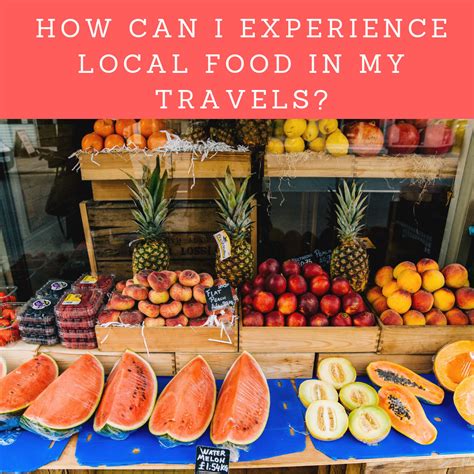
How do real foodies visually capture authentic local eats on their adventures?
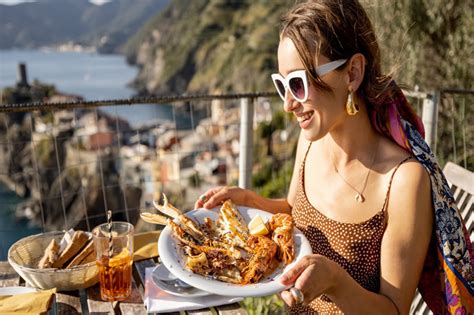
For the true foodie, travel isn’t just about ticking off destinations; it’s a sensory pilgrimage, a quest for authentic flavors that tell tales of a place and its people. But experiencing these culinary gems is only half the adventure; visually capturing them to share with the world is an art form in itself. It’s more than just snapping a picture of a plate; it’s about conveying the essence, the story, and the vibrant soul of local eats. So, how do seasoned food adventurers transform a fleeting moment of gastronomic delight into a compelling visual narrative?
Beyond the Snapshot: The Foodie’s Intentional Eye
Unlike casual diners, real foodies approach their meal photography with intention. They understand that authenticity isn’t just in the ingredients but in the entire context surrounding the food. This means looking beyond the dish itself to capture the bustling market where ingredients were sourced, the humble street stall where it’s prepared, or the atmospheric local eatery.
Their goal is to immerse the viewer in the experience, showing not just what they ate, but where, how, and with whom. This often involves wide shots that establish the scene, close-ups that highlight unique textures and colors, and candid moments that reveal the human element behind the culinary creation.
Mastering Light and Composition for Authenticity
The secret ingredient to truly captivating food photography often lies in harnessing natural light. Foodies prioritize seeking out tables near windows or choosing outdoor seating to utilize soft, diffused daylight. Harsh flash is almost universally avoided as it flattens textures and distorts colors, stripping away the food’s natural appeal.
Composition is equally crucial. Techniques like the rule of thirds, leading lines, and thoughtful negative space help create visually balanced and engaging images. They experiment with various angles – overhead for patterns, eye-level for dimension, or a tighter crop to emphasize a particular detail – always aiming to present the food in its most appealing and honest form, letting its inherent beauty shine without artificial embellishment.

Storytelling Through Intimate Details
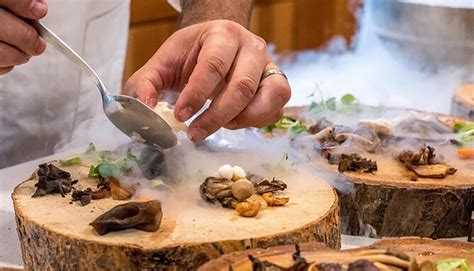
Authenticity in food photography often comes down to the details. Real foodies zoom in on the imperfect, the handcrafted, and the tell-tale signs of a dish’s journey from preparation to plate. This could be the steam rising from a freshly made bowl of noodles, the char on a grilled skewer, the vibrant spices dusting a street snack, or the worn hands of the chef who lovingly prepared it.
Including elements like traditional cutlery, a local beverage, or even a glimpse of the surrounding culture in the background adds layers of narrative. These small, often overlooked components are powerful storytellers, grounding the dish in its geographical and cultural origins and making the visual experience much richer and more genuine.
Editing with Integrity: Enhancing, Not Distorting
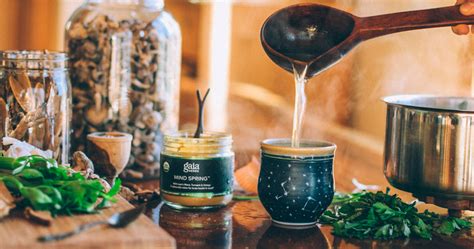
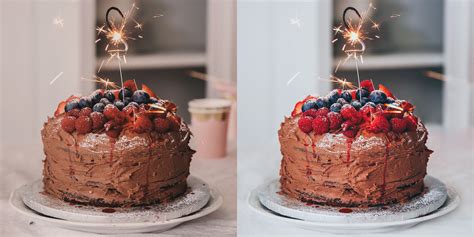
While post-processing can dramatically improve a photograph, real foodies practice “editing with integrity.” Their aim isn’t to create an idealized, unrealistic version of the food but to enhance its true colors, sharpen its textures, and correct any minor imperfections caused by lighting challenges.
This often involves subtle adjustments to exposure, contrast, white balance, and saturation. They resist the temptation to over-filter or drastically alter the food’s appearance, understanding that genuine appreciation comes from portraying the dish as faithfully as possible. The goal is to make the viewer feel like they could reach out and taste it, not question its reality.
Sharing the Experience: Engaging Your Audience
Finally, capturing authentic local eats is a precursor to sharing that experience effectively. Foodies don’t just post pictures; they craft narratives. Accompanying their stunning visuals are stories about the origins of the dish, the friendly vendor, the lively atmosphere, or even a memorable interaction they had while discovering it.
They utilize platforms like Instagram, food blogs, or dedicated travel journals to present a cohesive visual and textual story. Engaging captions, relevant hashtags, and interaction with their audience amplify the impact, transporting their followers directly into the heart of their culinary adventures and inspiring others to seek out similar authentic experiences.
Ultimately, for the real foodie, visually capturing local eats is an act of respect and celebration. It’s about honoring the food, the culture, and the people behind it, transforming a simple meal into a memorable story that resonates far beyond the plate.