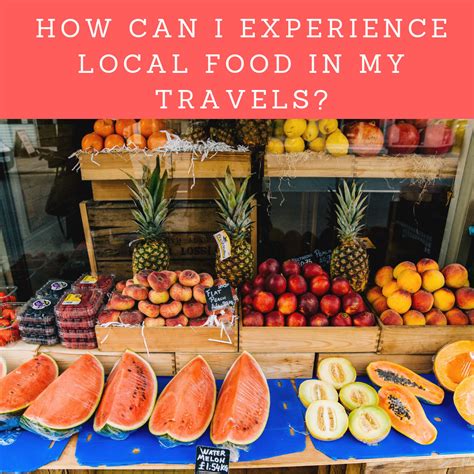
How do real foodies visually capture authentic local street food finds?
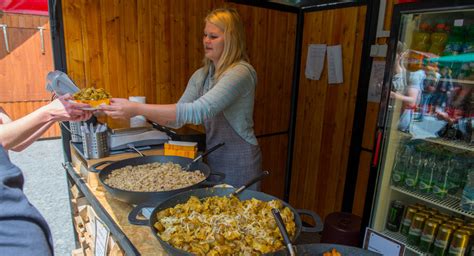
For the true foodie, discovering a hidden gem of local street food is only half the adventure. The other, equally crucial part, is immortalizing that moment and sharing its delicious essence with the world. But how do you move beyond a simple snapshot to truly capture the soul, flavor, and authenticity of a bustling street stall or a humble cart? It’s an art that combines photographic skill with a deep appreciation for culinary culture.
Understanding the Essence of Street Food Photography
Unlike studio food photography, street food captures are inherently dynamic and often spontaneous. The goal isn’t just to make the dish look good, but to convey the environment, the craft, and the experience. This means embracing imperfections, movement, and the vibrant chaos that often surrounds these culinary treasures.
Authenticity is paramount. Real foodies strive to show the food as it is, in its natural habitat, with minimal intervention. This often means shooting quickly, observing before snapping, and respecting the vendors and their space. It’s about telling a visual story that transports the viewer directly to that bustling street corner.

The Right Gear (and Mindset) for the Task
While professional cameras offer superior image quality, many incredible street food photos are taken with nothing more than a smartphone. The key is knowing its capabilities and limitations. A good smartphone camera with a decent dynamic range and a wide aperture can produce stunning results, especially when paired with a keen eye for composition.
More important than the gear is the mindset: be ready, be observant, and be discreet. Often, the best shots happen in a fleeting moment. Blending in and being unobtrusive allows you to capture genuine interactions and natural light without disrupting the scene or making people self-conscious.
Composition Techniques for Drool-Worthy Shots
Composition is where the magic truly happens. Foodies employ several techniques to make their street food photos pop:
- Close-Ups: Focus on the texture, the steam, the glistening sauces. Get in tight to emphasize the delicious details that draw the viewer in.
- Rule of Thirds: Position the main subject (the dish, the vendor’s hands) off-center to create a more dynamic and engaging image.
- Leading Lines: Use elements like tables, counters, or even the flow of people to guide the viewer’s eye towards the food.
- Environmental Shots: Don’t just show the food; show its context. Include elements of the street, the vendor, or local architecture to give a sense of place.
- Depth of Field: Use a shallow depth of field (blurry background) to make the food stand out, or a deeper one to include more of the vibrant surroundings.

Mastering Light and Atmosphere
Light is the photographer’s best friend. Natural light is almost always preferred for street food. The golden hours — an hour after sunrise and an hour before sunset — offer soft, warm light that enhances the colors and textures of food. Overcast days provide diffused, even lighting that’s also excellent for food photography.
Look for interesting light patterns, shadows, or reflections that can add drama and depth. Capturing steam rising from a hot dish, or the glow of a lantern at a night market, adds an undeniable sense of atmosphere and freshness. Avoid harsh midday sun, which can create unflattering shadows and blown-out highlights.
The Human Element: Storytelling Through People
Street food isn’t just about the food itself; it’s about the people who make it and the people who enjoy it. Including the hands of a skilled vendor preparing a dish, the smiles of locals sharing a meal, or the bustling crowd in the background adds a powerful storytelling dimension. These human elements imbue the photograph with life, culture, and context, making it far more than just a picture of food.
Editing for Impact (But Not Over-Processing)
A little post-processing can go a long way to enhance your street food photos, but the key is subtlety. Adjusting exposure, contrast, white balance, and saturation can bring out the best in an image without making it look artificial. The goal is to make the food look as delicious and real as it was in person, not to transform it into something it’s not. Authentic foodies aim to refine, not reinvent, the visual narrative.

Conclusion
Visually capturing authentic local street food is a journey of discovery, observation, and respect. It requires more than just a camera; it demands a genuine appreciation for culinary traditions, a keen eye for detail, and a desire to share a story. By focusing on natural light, compelling composition, and the human element, foodies can transform a simple meal into a captivating visual narrative that inspires others to embark on their own delicious adventures.