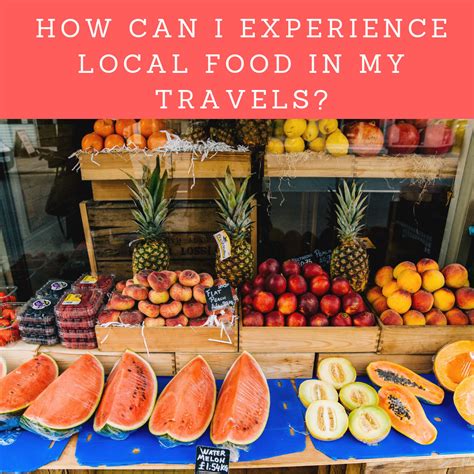
How do real foodies visually document authentic local eats without looking like a tourist?

For the true foodie, exploring local cuisine is an immersive journey, a quest for flavors that tell a story. But how do you capture these ephemeral moments – the steaming bowl of noodles, the bustling street stall, the intricate plating in a hidden gem – without drawing unwanted attention or appearing like just another tourist with a camera? The secret lies in a blend of discretion, respect, and a keen eye for authenticity.
Mastering the Art of Discreet Documentation
The first rule of documenting like a local is to blend in. This means observing the environment before you even think about lifting your camera. Take a moment to soak in the atmosphere, understand the rhythm of the place, and watch how others interact. When you do decide to shoot, be quick, quiet, and unobtrusive. Use natural light whenever possible, avoiding harsh flashes that can disrupt the ambiance and draw unwanted stares. Your goal is to capture the scene as it unfolds, not to stage it.
Focusing on the Plate, Not the Pose
While the selfie stick might be a tourist’s best friend, the true foodie understands that the food itself is the star. Concentrate your lens on the textures, colors, and steam emanating from your dish. Shoot from above (the ‘flat lay’ if appropriate for the setting) or at eye-level to emphasize the food’s presentation. Don’t be afraid to get a close-up that highlights a key ingredient or a perfect sear. Candid shots of hands preparing, serving, or even just holding the food can add a layer of authenticity without needing faces or staged smiles.

Capturing the Ambiance and Local Interaction
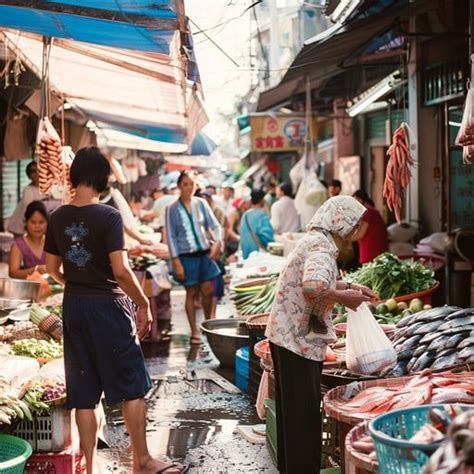
Beyond the plate, the story of local food is told through its surroundings. Look for details that speak volumes: the worn wooden tables, the handwritten menu, the steam rising from a street vendor’s cart, or the unique architecture of a traditional eatery. Capture the general buzz, the expressions of locals enjoying their meals, or the interaction between vendors and customers. These wider shots, taken discreetly, provide context and a sense of place that elevates your documentation from a simple food photo to a cultural snapshot.
Tools and Techniques for the Savvy Foodie Photographer
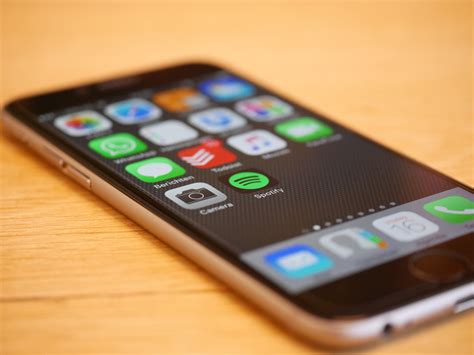
Often, the best camera for discreet photography is the one you already have in your pocket: your smartphone. Its compact size and silent operation make it ideal for quick, unobtrusive shots. Learn to use your phone’s camera settings for optimal results in various lighting conditions. Avoid over-editing, aiming for natural colors that reflect the dish’s true appearance. Speed is key; snap a few shots and then put your device away, prioritizing the actual experience of eating and engaging with the food.
Respecting Local Culture and Privacy
Perhaps the most crucial aspect of documenting like a local is respect. Be mindful of local customs and dining etiquette. In some cultures, photographing food, especially in more traditional settings, might be considered rude or intrusive. If in doubt, a polite gesture or a quick question (if language permits) can go a long way. Always prioritize the experience and the comfort of those around you over getting the perfect shot. True authenticity comes not just from the visuals, but from the genuine respect you show for the culture you’re immersed in.
By adopting these subtle and respectful approaches, foodies can move beyond tourist clichés, capturing the true spirit and deliciousness of local eats in a way that is both authentic to the experience and mindful of the environment.