How do real foodies visually document authentic street food finds without looking touristy?
Mastering the Art of Authentic Street Food Photography
For true food enthusiasts, the thrill of discovering authentic street food is unparalleled. It’s not just about the taste; it’s about the entire sensory experience – the sizzling sounds, the vibrant colors, the bustling atmosphere, and the skilled hands that prepare these culinary gems. Documenting these moments visually is crucial, but how do you capture the raw, genuine essence without resorting to clichéd, “touristy” shots?
The key lies in shifting your perspective from merely documenting “what you ate” to telling a story about the food, its origins, and its place in the local culture. This requires a blend of photographic skill, cultural sensitivity, and a keen eye for detail that goes beyond the obvious.
Embrace the Intimacy: Focus on the Food’s Details
One common mistake is taking wide shots that flatten the subject. Instead, get up close and personal. Focus on the textures, the steam rising, the glistening sauces, and the perfect sear. A shallow depth of field can beautifully isolate the dish, making it the undeniable star.
Think about the ingredients and the preparation. Can you capture the fresh herbs, the intricate knife work of a vendor, or the perfect char on a grill? These micro-moments convey authenticity far more effectively than a full plate shot on a generic table.

Weave in the Narrative: Context is King
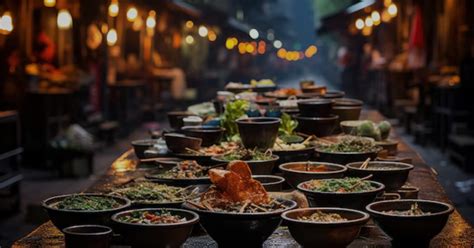
While close-ups are vital, the environment provides the narrative. Instead of a selfie with the food, try capturing the context subtly. This could mean a blurred background showing the vibrant market chaos, the unique architecture of the street, or the traditional serving vessel.
Look for natural frames – an archway, a hanging lantern, or the bustling crowd – that add depth and a sense of place without explicitly announcing “I’m here!” These elements ground your food shot in its authentic setting, creating a richer visual story.

The Human Connection: Show the Makers, Not Just the Eaters
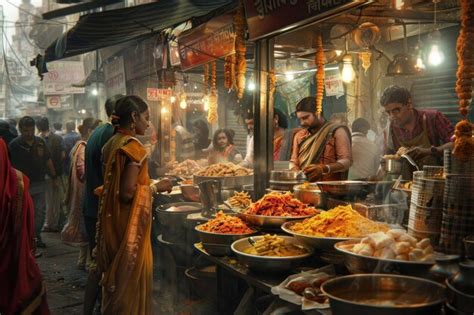
The heart of street food often lies with the people who make and serve it. Instead of just showing your friends eating, politely ask vendors if you can photograph them in action. Focus on their hands, their expressions of pride, or their traditional attire.
Candid shots of locals interacting with the food – buying, preparing, or simply enjoying – can add immense authenticity. Always be respectful, ask permission if possible, and avoid intrusive flash. A genuine smile and a nod can go a long way in getting natural, compelling shots.
Mastering Light, Composition, and Patience
Natural light is your best friend. Look for diffused light in shaded areas or the golden hour glow. Avoid direct harsh sunlight, which creates unflattering shadows. Experiment with different angles – shooting from slightly above, at eye level, or even from a lower perspective can dramatically change the feel of an image.
Patience is paramount. Don’t just snap and go. Observe the scene, anticipate moments, and wait for the perfect interplay of light, subject, and human activity. Sometimes the best shot comes after waiting for the steam to rise just right or a local to pass by.
Ultimately, authentic street food photography is less about expensive gear and more about your approach. Be present, be curious, be respectful, and tell a story that goes beyond a mere snapshot. By focusing on the details, the context, and the human element, you can visually document your culinary adventures in a way that truly resonates with the spirit of a genuine foodie, far from the tourist trail.