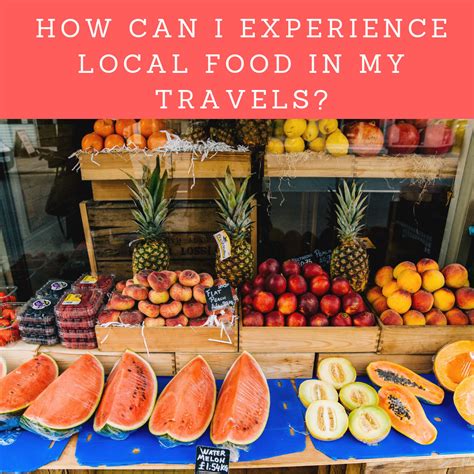
How do real foodies visually find & document authentic local hidden gems?

The Keen Eye of the Culinary Explorer
For the true foodie, a memorable meal transcends mere taste; it’s an immersive cultural experience, a story told through local ingredients and time-honored traditions. While mainstream reviews point to popular spots, the real magic lies in unearthing those authentic, local hidden gems. But how do these culinary explorers, often in unfamiliar territories, visually identify and document such treasures?
Decoding Visual Cues for Authentic Finds
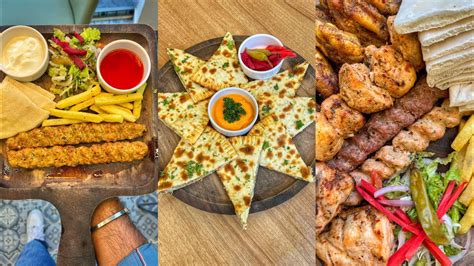
The quest for authenticity begins with keen observation. Real foodies develop an almost sixth sense for visual cues that scream ‘local and genuine’ versus ‘tourist trap.’ They look beyond polished facades and slick marketing. Instead, their eyes are drawn to:
- Crowds of Locals: A bustling eatery packed with residents, especially during off-peak hours, is a strong indicator of quality and authenticity. Observe demographics – are families, elders, or workers patronizing the spot?
- Unpretentious Exteriors: Often, the most delicious food comes from humble, unassuming storefronts or food stalls with handwritten signs, faded paint, or simple plastic chairs. Authenticity rarely needs to shout.
- Specialized Menus: A short, focused menu, perhaps even just a few dishes, suggests mastery over those specific items rather than a sprawling, generic offering. Look for menus in the local language, with minimal or no English translations.
- Visible Preparation: Open kitchens or street vendors where you can see the fresh ingredients and the cooking process in action often signal transparency and quality.
- Specific Ingredients: Noticing unique local produce, spices, or cooking techniques displayed or used can hint at a deep connection to regional culinary traditions.
Beyond the Guidebook: Intuition and Immersion
While visual cues are critical, a true foodie also relies on intuition cultivated through experience. They might wander side streets, venturing a block or two away from main thoroughfares, where rents are cheaper and genuine local life thrives. Conversations with locals, even through gestures, can provide invaluable tips. Sometimes, it’s the smell wafting from an alleyway or the sound of sizzling woks that guides them to an unexpected delight. It’s about being present, open, and allowing the local environment to speak to you.
Mastering the Art of Documentation: Capturing the Experience
Finding a gem is only half the adventure; documenting it preserves the memory and allows for sharing (responsibly). Real foodies aren’t just snapping photos; they’re crafting visual stories. This involves:
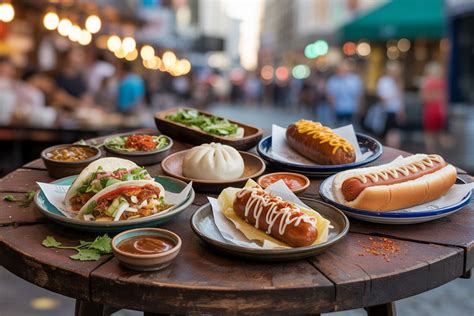
- Ambiance and Atmosphere: Don’t just photograph the food. Capture the worn tables, the interesting wall art, the bustling kitchen, the faces of fellow diners, or the unique lighting that defines the place’s character. Use a wide-angle lens for environmental shots or focus on intimate details.
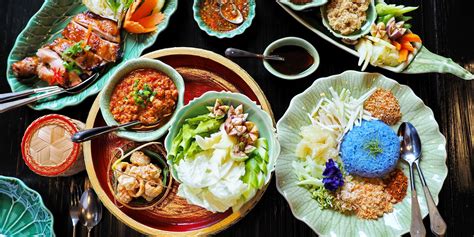
- The Food Itself (Naturally): Present the dish as it arrives. Use natural light whenever possible, avoiding harsh flashes. Focus on key elements like texture, color, and garnishes. A slightly overhead shot often works well for plating, but don’t shy away from dynamic angles that show depth and layers.
- The People Behind the Food: If appropriate and with permission, photograph the chef, the server, or the vendor. Their smiles and expressions add a human element to the story and highlight the passion poured into the meal.
- Details and Texture: Zoom in on a sprinkle of spice, a perfectly seared edge, or the intricate pattern of a pastry. These details convey the craftsmanship and appeal of the dish.
The Technical Side of Food Photography
While gear isn’t everything, understanding basic photography principles elevates documentation. Natural light is king – position your dish near a window or in open shade. Pay attention to composition, using the rule of thirds or leading lines to guide the viewer’s eye. Edit subtly to enhance, not distort, the natural colors and textures of the food. The goal is to make the viewer feel like they’re right there, experiencing the same sensory delight.
Sharing with Soul: The Foodie’s Ethos
Once documented, sharing these finds becomes part of the journey. Whether through a personal blog, Instagram, or specialized food apps, the real foodie shares their discoveries not just for likes, but to inspire others to explore and appreciate diverse culinary traditions. They often provide context, sharing snippets of the establishment’s history or the cultural significance of a dish. However, there’s also an understanding of balance – sharing enough to inspire, but sometimes keeping a truly ‘hidden’ gem a whispered secret among a trusted few, preserving its untouched charm.
The Never-Ending Culinary Quest
The journey of a true foodie is an ongoing adventure, a continuous education of the palate and the eye. By honing their visual detection skills and mastering the art of respectful documentation, they don’t just eat; they discover, they preserve, and they share the authentic heart and soul of local cuisine, one hidden gem at a time.