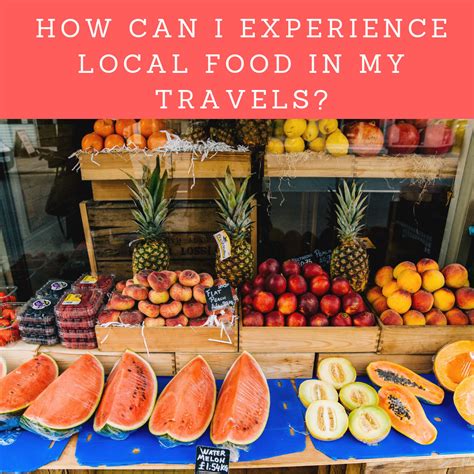
How do real foodies visually identify authentic local eats abroad?

Venturing into a new country offers an unparalleled opportunity to explore its culture through its cuisine. But for the discerning palate, navigating tourist traps and finding truly authentic, local eats can be a challenge. Real foodies don’t just follow guidebooks; they develop an almost intuitive sense, honed through experience, to visually decipher the genuine from the generic. It’s about looking beyond the flashy signs and diving into the heart of a local culinary scene.
The Undeniable Power of the Local Crowd
One of the most reliable indicators of authentic food is the sheer volume and demographic of its patrons. If a small, unassuming eatery is bustling with locals, especially during off-peak hours for tourists, you’re likely onto something good. Long queues, particularly those filled with families or workers on their lunch break, are a golden sign. Locals know where the best food is, and they’re willing to wait for it. Conversely, if a place is empty or predominantly filled with other tourists clutching maps, it’s often a red flag.
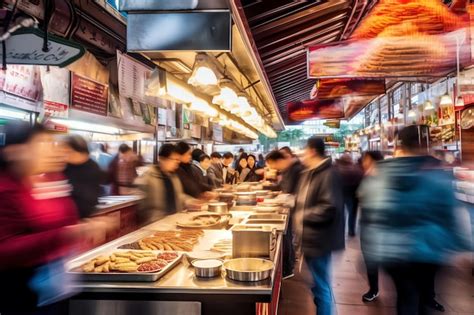
Observe not just who is eating, but how they’re eating. Are they savoring their meals, chatting animatedly, or quickly finishing their plates? This subtle social dynamic can reveal a lot about the establishment’s standing within the community. A high turnover of local diners suggests efficiency, popularity, and consistent quality.
Visual Cues from the Eatery’s Appearance
Authenticity often wears simplicity. Don’t be swayed by opulent decor or glossy, multi-lingual menus. Many of the best local spots are unpretentious, with functional rather than fancy seating. Look for handwritten menus, perhaps only in the local language, or a concise menu focusing on a few specialty dishes. This often indicates a place that prioritizes mastery over variety, excelling at what it does best. Visible kitchens, where you can see the chefs at work, are also a positive sign, suggesting transparency and confidence in their preparation.
The general cleanliness (not necessarily sparkle, but basic hygiene) and organization of a small stall or restaurant can also be telling. A well-maintained but simple setup often signifies respect for the craft and the customer, even if the surroundings aren’t glamorous.
The Sights and Aromas of the Food Itself
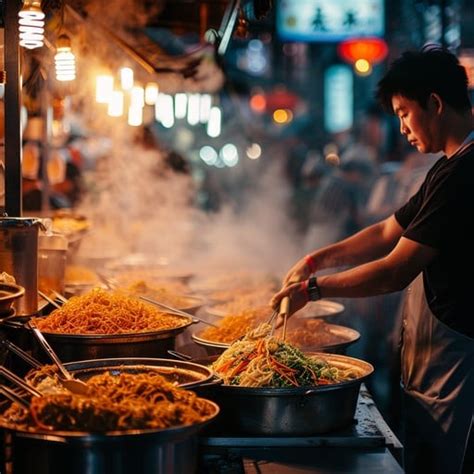
Once you’ve zeroed in on a potential spot, a quick glance at the food being served to others can be highly revealing. Does the food look fresh and vibrant? Are the ingredients recognizable and of good quality? Authentic local dishes often celebrate fresh, seasonal produce and locally sourced meats or seafood. Look for natural colors and textures, avoiding anything that looks overly processed or artificial.
The aromas wafting from the kitchen or the cooking area are equally important. Freshly grilled meats, fragrant spices, simmering broths, or the sweet scent of baking can draw you in. Trust your nose; it’s an incredibly powerful tool in the foodie’s arsenal. If a place smells genuinely appetizing and distinctively local, it’s usually a good sign that the flavors will follow suit.
Vendor Interaction and Presentation Style
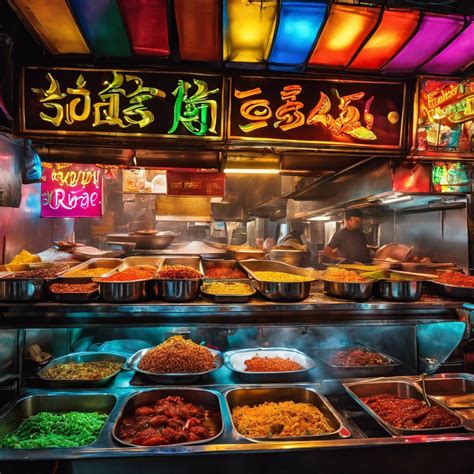
Engage, even briefly, with the vendors if possible. A passionate vendor who is happy to explain dishes (even with a language barrier, gestures speak volumes) or who clearly takes pride in their craft is often a sign of quality. They aren’t just selling food; they’re sharing a part of their culture. You might also notice that the presentation, while not necessarily artful in a Michelin-star sense, is honest and focused on the food itself rather than elaborate garnishes or fancy plating designed to impress tourists.

Authentic local eats often speak for themselves through their simple, hearty presentation. The focus is on flavor, substance, and tradition, not Instagram-perfect aesthetics. Food served in traditional vessels or with methods unique to the region further reinforces its authenticity.
Conclusion: The Art of Trusting Your Gut
Ultimately, identifying authentic local eats is an art honed through observation, intuition, and a willingness to step outside your comfort zone. It’s about immersing yourself in the local environment, listening to its rhythm, and trusting the subtle cues it provides. While no method is foolproof, combining these visual and sensory observations dramatically increases your chances of discovering those unforgettable, genuine culinary gems that truly define a travel experience.