How do real foodies visually identify authentic local food adventure spots?

Beyond the Tourist Traps: The Art of Visual Detection
An authentic local food adventure isn’t just about tasting; it’s about the full sensory experience, starting long before the first bite. For true foodies, the quest for genuine local cuisine begins with a highly refined visual assessment of potential eateries. They don’t rely on glossy online reviews or tourist brochures; instead, they’ve honed an instinct for subtle cues that scream “authentic” amidst a sea of tourist traps. This visual literacy is what separates a memorable culinary discovery from a mediocre meal.
The Unmistakable Vibe: External Indicators
The first glance often tells the most compelling story. Authentic local spots rarely boast pristine, modern facades designed to appeal to international visitors. Instead, look for a slightly worn, lived-in appearance. Hand-painted signs, sometimes faded, or a menu board exclusively in the local language are strong indicators. The decor might be simple, even utilitarian, prioritizing function over flash. Think mismatched chairs, a bustling but unpretentious atmosphere, and perhaps a family photo or two tacked to the wall. Overly polished or chain-like aesthetics are usually red flags for those seeking true local flavor.
The Crowd Connection: Who’s Eating There?
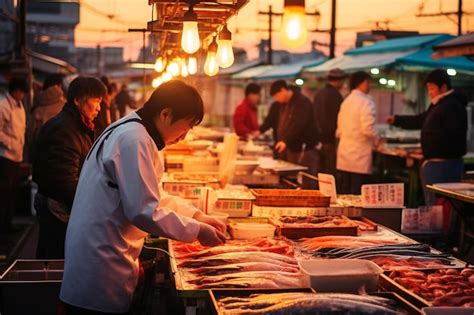
Perhaps the most reliable visual cue is the clientele. Scan the tables: are they filled predominantly with locals – families, workers on their lunch breaks, or elderly residents? If you see more locals than tourists, you’re likely onto something good. Observe their interactions, their comfort level, and how they engage with the staff. A restaurant thriving on repeat local business is a testament to its consistent quality and authenticity. Empty tables during peak hours or a crowd primarily consisting of camera-wielding visitors should give pause.
Menu Matters: Specialization Over Sprawl
A menu that’s pages long, featuring every type of cuisine imaginable, is usually a sign of compromise, not authenticity. True local gems often specialize. Their menus are concise, focusing on a handful of dishes done exceptionally well. Look for handwritten specials, seasonal items, or dishes that require a bit of deciphering if you’re not fluent in the local tongue. The absence of multi-language menus (or their placement far from the main entrance) can paradoxically be a good sign – it suggests they cater primarily to locals who already know what they want.
Kitchen Glimpses and Ingredient Integrity
If you can catch a glimpse into the kitchen, or if the food preparation happens in a semi-open area, pay attention. Do you see fresh, vibrant ingredients? Is the workspace clean and organized, yet busy? The sight of chefs actively chopping, stirring, or grilling with visible passion is a powerful indicator. Equally, watch for the delivery of ingredients – local vendors dropping off fresh produce or meat often signals a commitment to quality and community sourcing. Avoid places where everything seems to emerge from a back room without any visible prep.
The Art of the Plate: Presentation & Portions
Authentic local food isn’t always about Michelin-star presentation. Often, it’s about hearty portions, simple plating that emphasizes the food itself, and practical tableware. Expect sturdy ceramic bowls, unpretentious cutlery, and dishes that look like they were cooked with love rather than styled for Instagram. While social media is a modern tool, a restaurant that primarily caters to the local palate might prioritize flavor and satisfaction over photogenic appeal. The overall presentation, or lack thereof, can communicate a dedication to substance over superficiality.

Trusting Your Gut: The Subtle Energy
Beyond specific visual cues, there’s an intangible energy that authentic spots exude. It’s a feeling of warmth, welcome, and genuine passion for food. It might be the aroma wafting from the kitchen, the friendly banter between staff and regulars, or the general hum of satisfied diners. Real foodies learn to trust this “gut feeling” – a synthesis of all the visual, auditory, and even olfactory cues that tell them they’ve stumbled upon a true culinary treasure. It’s about looking beyond the obvious and tuning into the subtle symphony of local life.
Conclusion: Becoming a Visual Food Detective
Identifying authentic local food adventure spots is a skill honed through practice and observation. By paying attention to the unpolished exterior, the local crowd, the focused menu, visible preparation, and the overall genuine vibe, foodies can dramatically increase their chances of discovering unforgettable culinary experiences. It’s a journey of visual deduction that rewards the keen-eyed adventurer with the true taste of a destination.