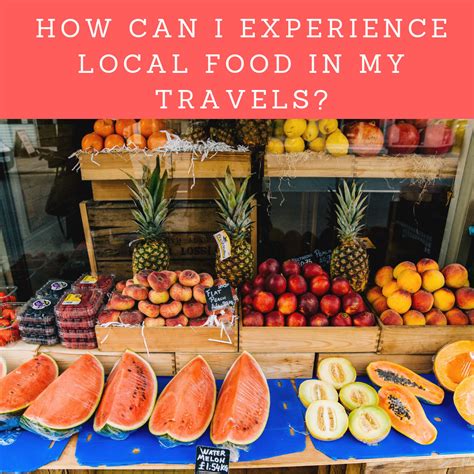
How do real foodies visually identify truly authentic local food spots?

Beyond the Tourist Traps: The Art of Visual Detection
For the true foodie, the quest for authentic local cuisine is an exhilarating adventure. It’s about more than just good taste; it’s about experiencing the heart and soul of a culture through its food. But how do you cut through the noise of flashy signs and aggressive marketing to find those genuine, often unassuming, culinary treasures? The secret lies in honing your visual senses, learning to read the subtle clues that scream “authentic” to those in the know.
The Unassuming Exterior: First Impressions Matter
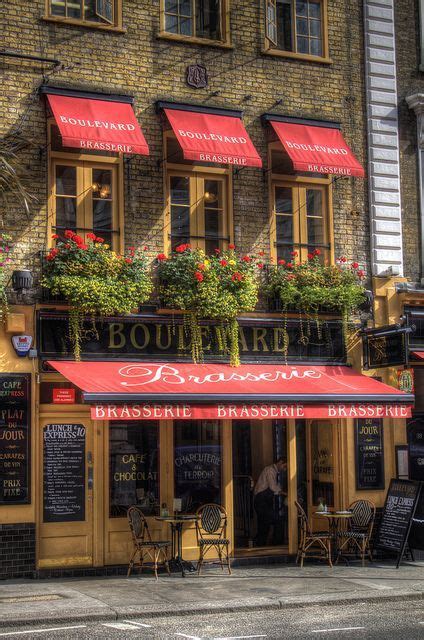
True local gems rarely boast gleaming facades or aggressive street hawkers. Instead, look for places that seem integrated into the neighborhood fabric, perhaps even a little worn around the edges. A hand-painted sign, a faded awning, or a menu scrawled on a whiteboard in the local language are often excellent indicators. Observe the foot traffic: are locals casually entering and exiting, perhaps even chatting with staff outside? A place packed exclusively with tourists, especially at odd hours, is usually a red flag. The lack of overt English signage or extravagant promotional banners can also be a positive sign, suggesting they don’t need to cater to a transient crowd.
Inside Scoop: The Ambiance and Clientele
Step inside, and the visual clues continue. Authentic spots often prioritize function over form, meaning the decor might be simple, utilitarian, or even a bit cluttered with local everyday items rather than curated “ethnic” decorations. Listen for the dominant language spoken by patrons – if it’s overwhelmingly local, you’re likely in the right place. Pay attention to the age range of the diners; a mix of generations often points to a long-standing establishment cherished by the community. Are people lingering, enjoying conversation, or eating quickly and quietly? Both can be good signs, depending on the type of establishment (e.g., a bustling street food stall vs. a cozy family diner).
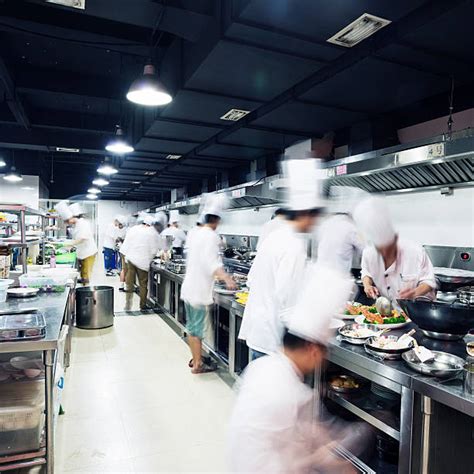
Another subtle cue is the kitchen’s visibility, or at least the sounds and smells emanating from it. A visible, working kitchen where you can see fresh ingredients being prepared is always a good sign. The absence of a glossy, laminated, multi-page menu boasting every international dish under the sun is also a strong indicator. Look for a focused, perhaps even handwritten, menu.
The Menu’s Tale and Plating’s Promise
The menu itself is a treasure map. Authentic eateries typically have a smaller, more focused menu featuring regional specialties, often with seasonal variations. If the menu is translated into multiple languages but still lists very specific local dishes, it could be a good sign. Be wary of places with extensive, generic menus catering to all tastes. Look for dishes that highlight local ingredients and traditional cooking methods. The plating, too, can offer clues: authentic local food is often presented simply, focusing on the quality and taste of the ingredients rather than elaborate, artistic arrangements designed for Instagram. It’s about sustenance and tradition, not necessarily avant-garde presentation.

Also, observe the pricing. While not always a visual cue, truly authentic places often have prices that align with local cost of living rather than inflated “tourist prices.” A menu with clear, concise pricing and perhaps a daily special board indicates transparency and a focus on the food rather than upselling.
Observing the Ritual: Locals and Staff Interactions
A crucial visual indicator is observing the local patrons. How do they interact with the staff? Do they seem like regulars, greeted warmly by name? Are they comfortable and at ease, indicating a familiar and trusted environment? Look for signs of community – families sharing meals, friends laughing, or even solitary diners enjoying a quiet meal as part of their daily routine. The staff themselves often reflect the authenticity. Are they locals? Do they seem genuinely proud of the food they serve? A sense of community and passion amongst staff and patrons is a powerful visual signal that you’ve stumbled upon a truly authentic spot.

The Art of Seeing: Your Gateway to Culinary Discovery
Identifying truly authentic local food spots isn’t an exact science, but by training your eyes to spot these subtle visual cues, you dramatically increase your chances of a genuine culinary experience. It requires observation, a willingness to venture off the beaten path, and an openness to places that might not initially catch your eye. Trust your instincts, embrace the unassuming, and let the visual narrative of a place guide you to unforgettable tastes and cultural insights.

So next time you’re exploring a new destination, put on your detective hat. Look beyond the flashy and delve into the real. Your taste buds, and your sense of adventure, will thank you.