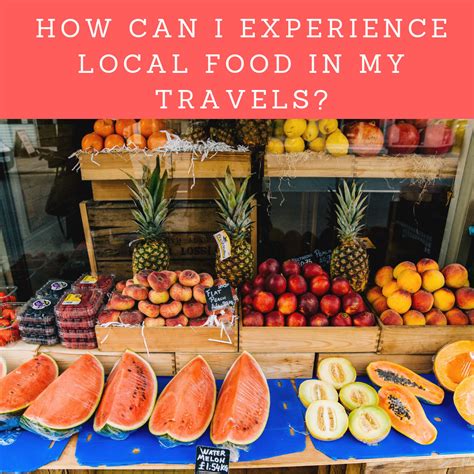
How do real foodies visually identify truly authentic, photo-worthy local eateries?

Beyond the Instagram Filter: Uncovering Culinary Gold
In an era dominated by food photography and curated dining experiences, the true challenge for a seasoned foodie isn’t just finding a good meal, but discovering an authentic, local eatery that genuinely captures the soul of a place and looks stunning on camera without feeling staged. It’s about spotting those hidden gems that exude character, history, and culinary integrity, making them inherently photo-worthy.
But how do these discerning diners filter through the noise of tourist traps and overly polished establishments? It often comes down to a keen eye for visual cues, a sixth sense for genuine atmosphere, and an understanding that true authenticity rarely screams for attention.

The Exterior Tells a Story
The first impression, even before stepping inside, can reveal a lot. Truly authentic local spots often boast exteriors that are more functional than flashy. Look for modest storefronts, sometimes slightly worn, with hand-painted signs or chalkboards detailing daily specials. A lack of excessive branding or sleek, modern design can be a good indicator. Observe the windows: are they filled with local fliers, traditional decorations, or a simple view into a bustling kitchen? A line of locals waiting outside, particularly during off-peak hours, is a universally recognized sign of a culinary hotspot.
Beyond the facade, pay attention to the street itself. Is it on a main tourist thoroughfare or tucked away on a quieter side street? Often, the most cherished spots are found off the beaten path, attracting those in the know rather than relying on foot traffic from sightseers.
Interior Vibes and Human Elements
Once inside, the ambiance speaks volumes. Authentic eateries often possess a lived-in, unpretentious charm. This might manifest as mismatched furniture, local art adorning the walls, or a collection of quirky knick-knacks that tell a story. The lighting is rarely harsh or overly bright; instead, it often feels warm, natural, and inviting – perfect for capturing the mood in a photograph. An open kitchen, where you can see and hear the chefs at work, is a fantastic sign of transparency and passion for the craft.

Observe the clientele. Are there multiple generations of local families dining together? Is the place buzzing with local chatter rather than just a quiet hum? A diverse mix of patrons, especially those who appear to be regulars, suggests a place deeply embedded in the community fabric. The staff, too, plays a crucial role. Look for genuine hospitality, a deep knowledge of the menu, and a sense of pride in their work, rather than overly rehearsed service.
The Menu and Presentation: Authenticity Over Artifice
When it comes to the menu, simpler is often better. Authentic establishments frequently feature a focused menu, sometimes handwritten or chalked up daily, highlighting seasonal and local ingredients. Avoid places with encyclopedic menus boasting a bewildering array of international dishes; a place that does a few things exceptionally well is usually a winner. The absence of glossy, generic food photos on the menu is another positive sign, suggesting confidence in the quality and reputation of their dishes.

As for the food itself, authentic dishes often prioritize flavor and tradition over elaborate, overly “plated” presentations. While certainly photo-worthy, their beauty lies in their rustic charm, vibrant colors from fresh ingredients, and the clear indication that they are made with care and heritage. The dishes tell a story through their very appearance – perhaps a hearty stew, a beautifully charred grill, or a vibrant, fresh salad. These are the kinds of visual narratives that resonate deeply with food photographers seeking genuine culinary tales.
The Subtle Art of Sensory Cues and Photo Opportunities
Beyond the visual, real foodies pay attention to the complete sensory experience. The aromas wafting from the kitchen, the sizzle of food being prepared, the clatter of plates, and the murmur of satisfied diners all contribute to the authenticity. These elements create an atmosphere that, when captured through a lens, adds depth and narrative to a photograph.
The best photo opportunities often arise naturally from these authentic environments: a chef meticulously crafting a dish, steam rising from a bowl of ramen, the unique texture of a handmade pastry, or the convivial interaction between diners. It’s about finding the narrative within the scene, rather than staging a shot.
Conclusion: The Pursuit of Genuine Flavors and Stories
Ultimately, identifying truly authentic, photo-worthy local eateries is an art form honed by experience and a genuine passion for food culture. It’s about looking past superficial trends and trusting your instincts. When you find a place where the food tells a story, the atmosphere feels right, and the local community embraces it, you’ve likely stumbled upon a culinary treasure. These are the places that not only offer an unforgettable meal but also provide the most captivating and honest visual stories for any foodie’s photographic collection.