How do real foodies visually organize weekly meals for less food waste?
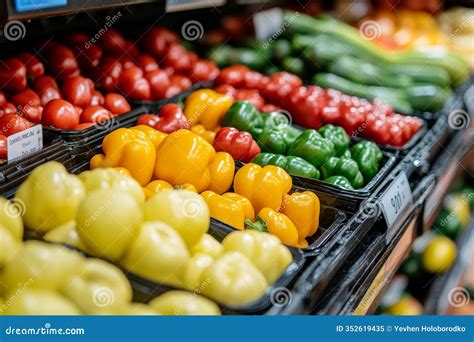
For many, the weekly grocery haul ends with good intentions and, inevitably, forgotten produce wilting in the back of the fridge. But real foodies – those who genuinely appreciate and prioritize the quality and longevity of their ingredients – approach weekly meals with a strategic mindset, particularly when it comes to visual organization. Their methods aren’t just about aesthetics; they’re powerful tools for efficiency, creativity, and significantly reducing food waste.
The Power of the Visual Meal Plan
The cornerstone of a foodie’s waste-reducing strategy is often a highly visible meal plan. This isn’t just a mental note; it’s a tangible, often colorful, guide to the week’s culinary adventures. Many swear by large whiteboards or chalkboards prominently displayed in the kitchen, outlining each day’s breakfast, lunch, and dinner. This serves as a constant reminder of what’s on the menu, preventing impulse take-out orders and ensuring ingredients bought for specific dishes are actually used.
Beyond daily meals, these visual plans often include notes on key ingredients, reminding them to use up that half-bag of spinach or the leftover roasted chicken. Some even integrate their shopping list directly onto the board, crossing items off as they’re purchased and linking them directly to planned dishes. This integrated approach ensures every item has a purpose from the moment it enters the home.
Transparent Storage: See It, Use It
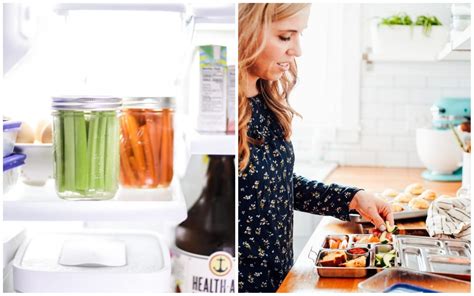
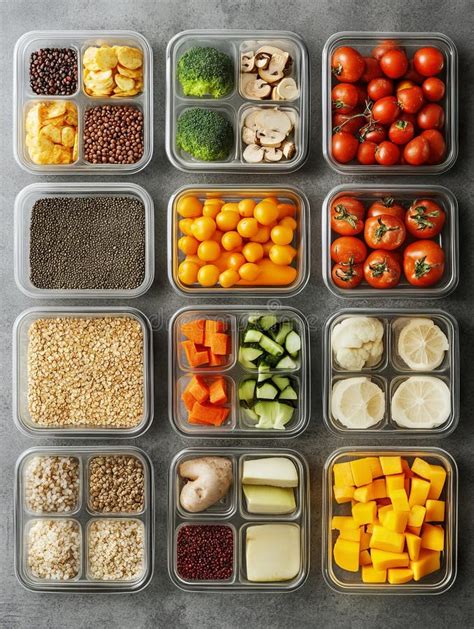
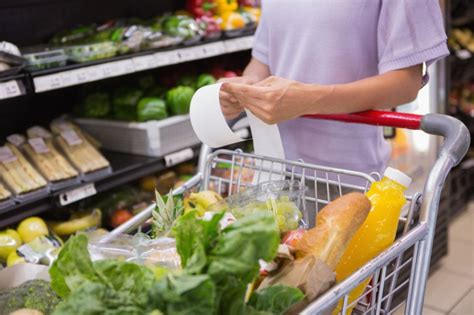
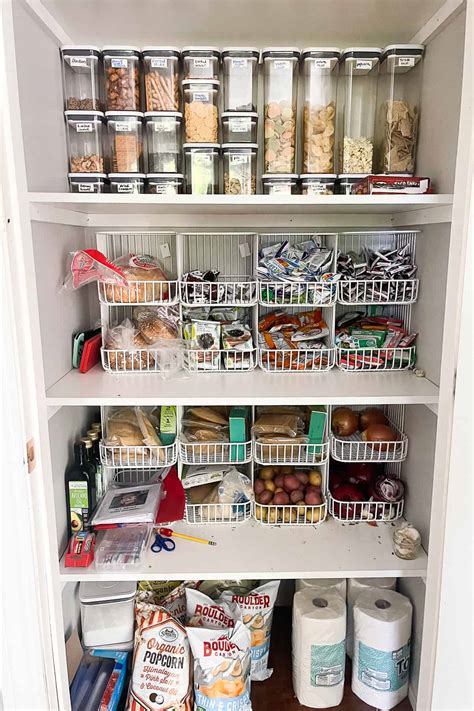
What you can see, you are more likely to use. This simple principle drives the foodie’s approach to food storage. Fridges and pantries are often organized with clear, stackable containers. Instead of opaque bags and mystery boxes, every ingredient – from chopped vegetables to leftover grains – is visible at a glance. This prevents ingredients from getting lost in the depths of the fridge and allows for quick assessment of what needs to be eaten next.
Designated ‘Eat Me First’ bins or shelves are also common. These areas, often clearly labeled, house ingredients that are nearing their prime, leftovers from yesterday, or items purchased for quick consumption. By giving these items visual priority, foodies ensure they’re not overlooked, prompting creative solutions for their use before they spoil.
Inventory Management for the Home Kitchen
While a meal plan looks forward, an effective inventory system looks at the present. Real foodies often maintain a visual or written inventory of their pantry, fridge, and freezer contents. This could be as simple as a laminated sheet on the fridge door, categorized by food type, or a more sophisticated digital spreadsheet. The key is knowing what you have on hand, which directly influences what you buy and what you cook.
This inventory is regularly updated and cross-referenced with the meal plan and shopping list. Before heading to the store, a quick check of the inventory prevents duplicate purchases and inspires meals built around existing ingredients. It’s a proactive step that eliminates the ‘aha!’ moment of discovering a forgotten item after it’s too late.
Strategic Meal Prep and Batch Cooking
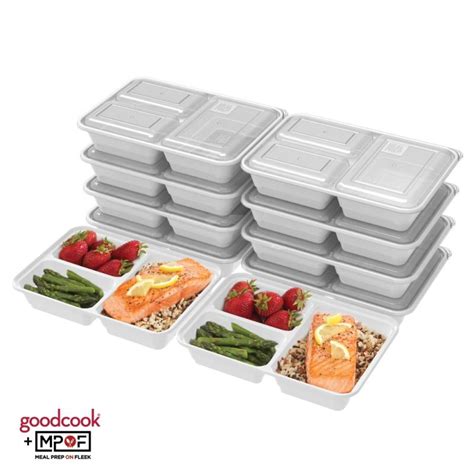
Visual organization extends to the preparation stage. Many foodies dedicate time each week to ‘food prep’ – not necessarily full meals, but components. Think washed and chopped vegetables, cooked grains, roasted proteins, or homemade sauces, all stored in clear containers within easy view. This makes assembly of healthy, quick meals during busy weekdays effortless, reducing the temptation to order in and let fresh ingredients go to waste.
Batch cooking is another common tactic. Preparing larger quantities of versatile ingredients like quinoa, roasted chicken, or a basic tomato sauce means these items can be repurposed into multiple meals throughout the week. Clearly labeled freezer bags or containers ensure these prepared items are easily identifiable and ready to be incorporated into a new dish, preventing spoilage and saving time.
Transforming Leftovers and Scraps
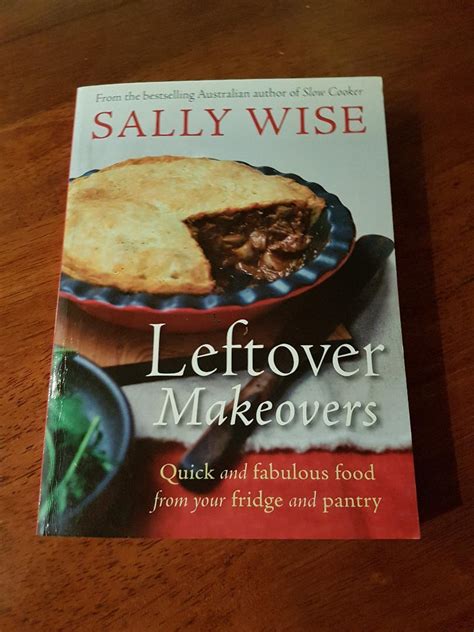
A true foodie sees leftovers not as waste, but as opportunity. Visual organization plays a role here too. Clearly portioned and labeled containers of leftovers in the fridge are a testament to this, ready to be reinvented. Yesterday’s roasted vegetables might become tomorrow’s frittata filling, and leftover rice could be transformed into a quick fried rice or rice salad.
Even food scraps are often given a second life. Vegetable trimmings and chicken bones are collected in a designated freezer bag or container, visually signaling their purpose for future stocks and broths. This mindful approach ensures that every edible part of an ingredient is utilized, embodying the ultimate commitment to zero waste.

The strategies employed by real foodies for visually organizing weekly meals are more than just tidy habits; they are integral to a sustainable and delicious lifestyle. By making food visible, purposeful, and easily accessible, they not only reduce waste but also foster culinary creativity and a deeper appreciation for the ingredients that nourish them. Adopting even a few of these visual techniques can transform your kitchen into a more efficient, less wasteful, and far more inspiring space.