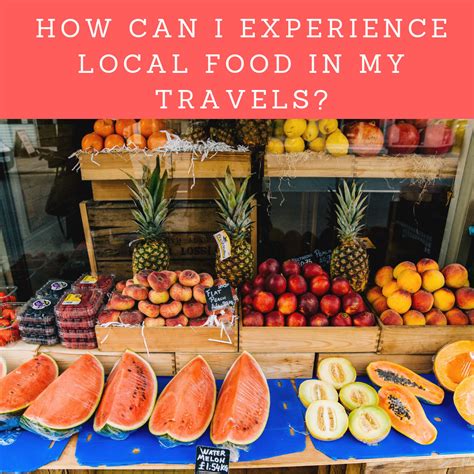
How do real foodies visually pinpoint authentic local eats and avoid tourist traps?

The Art of Visual Gastronomy: Spotting True Local Flavors
For the seasoned foodie, the quest for authentic local cuisine is paramount. Navigating a new city’s culinary landscape can be daunting, with tourist traps often camouflaged amidst genuine gems. However, real foodies possess an uncanny knack for sniffing out hidden culinary treasures, often relying on subtle visual cues that distinguish authentic local eateries from their less savory counterparts. This discerning eye is honed through experience, but the principles are universal.
The Clientele Test: Who’s Eating There?
The most immediate and telling visual cue is the composition of the crowd. If a restaurant is packed with locals, especially during off-peak hours for tourists (like a late lunch or early dinner), it’s a strong indicator of authenticity. Look for families, business people, and elderly residents – these are your culinary compasses. Locals generally avoid places designed to cater exclusively to visitors, often due to inflated prices and diluted flavors.
Conversely, if you see mostly fellow tourists clutching guidebooks, speaking your language loudly, and taking photos of every dish, you might be in a trap. While not an absolute rule, a predominantly non-local crowd should raise a red flag. Pay attention to the overall atmosphere; genuine local spots often buzz with lively, unpretentious chatter.
Menu Aesthetics and Language: A Window to Authenticity
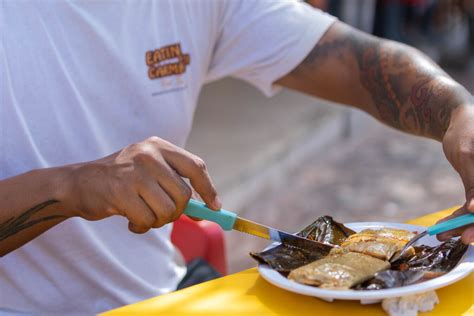
Authentic local spots often have menus that are less polished, perhaps handwritten, or simply printed on laminated paper. Look for menus primarily in the local language, with maybe a small, less prominent English translation. A concise menu focusing on a few specialties is usually a good sign, indicating mastery over a limited selection of dishes rather than a vast, generic offering.
Beware of multi-page, glossy menus featuring pictures of every single dish, especially if the pictures look too perfect or generic. The absence of a wide array of “international cuisine” items on a local menu is also a plus, suggesting a focus on traditional fare. If the menu prominently displays prices aimed at a tourist budget, proceed with caution.

The Vibe and Decor: Simple is Often Better
Tourist traps often invest heavily in flashy, Instagrammable decor designed to attract the eye, sometimes at the expense of substance. Authentic local eateries, especially family-run ones, tend to be more modest, functional, and reflective of local culture without being overtly themed or commercialized. They might not be fancy, but they’ll often feel lived-in and comfortable.
Observe the tables, chairs, and general cleanliness. A well-worn but clean establishment suggests longevity and consistent local patronage. An open kitchen where you can see and smell the cooking is always a great sign of freshness and transparency, giving diners confidence in the preparation process.

Location, Location, Location: Beyond the Main Square
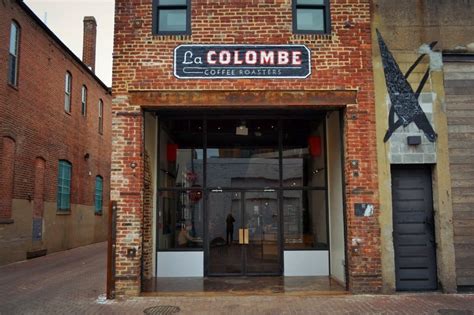
While main squares and popular landmarks are convenient, they are also prime locations for tourist-focused establishments. True local gems often require a bit of a detour down a side street, into a residential neighborhood, or slightly off the main thoroughfare. These spots thrive on repeat local business rather than transient visitors.
Don’t be afraid to venture a few blocks away from the central tourist hubs. These less accessible spots often have lower rents, allowing them to focus more on quality ingredients and authentic preparation rather than just their convenient position. A short walk can often lead to culinary revelations.
The Sights, Sounds, and Smells of Authenticity
Engage all your senses. Does the place smell of delicious, freshly prepared food, or is it a generic restaurant aroma? Can you hear lively chatter in the local language? Are there vendors outside if it’s a bustling street food scene? These sensory inputs are often more reliable than a quick glance at online reviews.
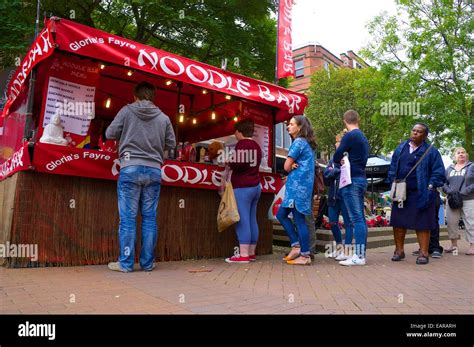
Long queues, especially if comprised of locals patiently waiting, are a testament to quality and a strong signal of a place worth trying. Observe the plates coming out of the kitchen – do they look appetizing, generously portioned, and similar to what locals are eating? These visual cues are invaluable in guiding you to truly authentic experiences.
Conclusion: Trust Your Eyes, Taste the Real Deal
Mastering the art of visually identifying authentic local eats is a rewarding skill for any foodie. By paying attention to the patrons, menu style, ambiance, location, and the general sensory experience, you can bypass the tourist traps and discover the true culinary heart of any destination. Trust your instincts, embrace the unfamiliar, and let your eyes lead you to unforgettable, genuine meals that tell a story of local culture and tradition.