How do real foodies visually plan healthy weekly meals without waste?

The Art of Intentional Eating: Beyond the Shopping List
For true foodies, healthy eating isn’t just about what’s on the plate; it’s about a holistic approach that begins long before the first ingredient is purchased. It’s a mindful journey rooted in flavour, nutrition, and sustainability. The ultimate goal? To nourish the body with delicious, wholesome food while completely eliminating the scourge of food waste. But how do these culinary connoisseurs achieve such a delicate balance, especially when planning meals for an entire week?
The secret lies in a highly visual and strategic planning process that transforms abstract ideas into tangible meal solutions. It’s less about rigid rules and more about intuitive systems that celebrate ingredients and anticipate consumption.
Seeing is Eating: The Visual Advantage
Unlike simply writing down a list of meals, real foodies often employ visual aids to map out their weekly culinary adventures. This isn’t just for aesthetic pleasure; it’s a powerful cognitive tool. Seeing the week’s meals laid out — whether on a whiteboard, a digital app with food photos, or even a simple sketch pad — helps to identify patterns, ensure variety, and prevent ingredient overlap or neglect.
A visual plan allows for quick assessment: Is there enough colour? Are all food groups represented? Is that leftover roasted chicken from Monday creatively repurposed into Tuesday’s salad or Wednesday’s tacos? This bird’s-eye view makes it easier to spot nutritional gaps, avoid repetitive meals, and most importantly, identify opportunities to use ingredients fully before they spoil.
Tools of the Trade: From Whiteboards to Digital Dashboards
The methods vary, but the principles remain consistent. Some foodies swear by large kitchen whiteboards where they sketch out meals day by day, often even noting key ingredients needed. Others leverage sophisticated meal planning apps that allow them to drag and drop recipes, generate shopping lists, and track pantry inventory visually. Pinterest boards can serve as inspiration hubs, while digital calendars populated with meal names provide a high-level overview.
The key is consistency and a system that resonates with the individual. What works for one might not work for another, but the underlying drive is to create a clear, accessible visual representation of the week’s gastronomic journey.
Ingredient-First Mentality: Building from the Pantry Out
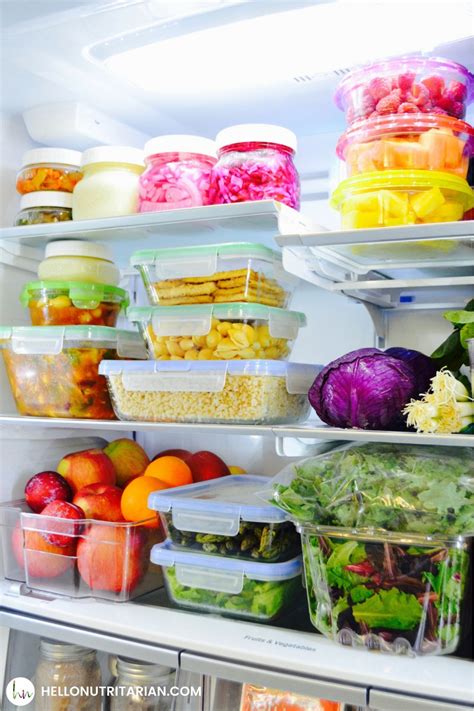
A cornerstone of waste-free meal planning is the “ingredient-first” approach. Before even dreaming up elaborate recipes, foodies take stock of what they already have. A visual inventory of the fridge, freezer, and pantry is crucial. This not only prevents duplicate purchases but also inspires creativity to use up items nearing their expiration date.
For example, a half-used head of cabbage might inspire a stir-fry, while leftover cooked grains could become a base for a grain bowl. This reactive planning, combined with proactive weekly planning, forms a powerful duo against waste. When grocery shopping, the focus shifts to complementing existing ingredients rather than blindly following a recipe’s demands.
Strategic Shopping and Smart Storage: The Waste-Reduction Duo
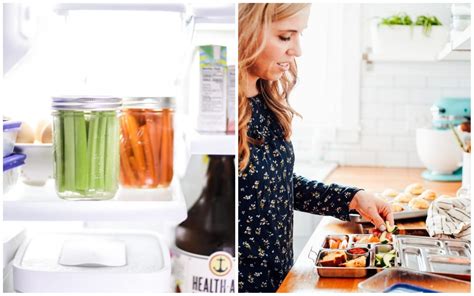
With a clear visual plan and pantry inventory in hand, shopping becomes a highly targeted mission. Foodies purchase only what’s needed, minimizing impulse buys that often lead to spoilage. Once ingredients are home, proper storage is paramount. Understanding how to store different types of produce, meats, and dairy extends their shelf life significantly.
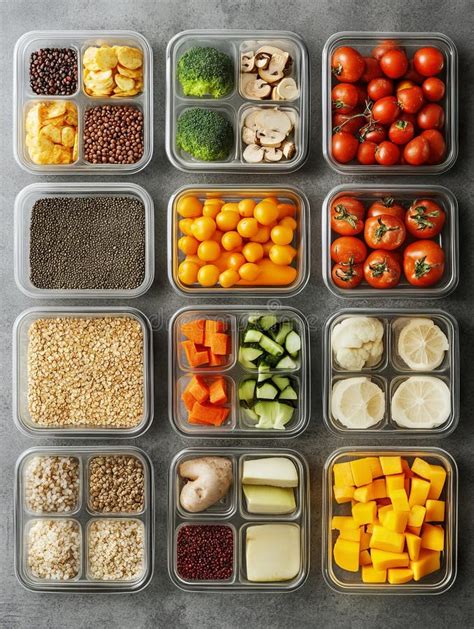
This includes practices like washing and chopping vegetables immediately upon return from the store for easy grab-and-go snacks or meal additions, freezing excess portions, and correctly sealing perishable items. Labels with dates are also visual cues that prevent forgotten items in the depths of the fridge.
![Meal Ideas for Leftover Rotisserie Chicken [Video] | Leftover ...](/images/aHR0cHM6Ly90czQubW0uYmluZy5uZXQvdGg/aWQ9T0lQLk1od1ZoU0RUUk9tWVJ0dm1hZ3NnRWdIYU5LJnBpZD0xNS4x.webp)
The Art of Repurposing: Elevating Leftovers
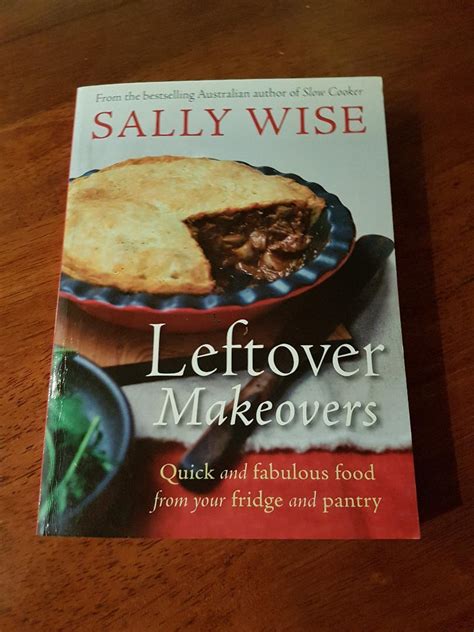
Perhaps the most advanced technique in a foodie’s waste-reduction arsenal is the art of repurposing. Leftovers are not viewed as mundane repeats but as building blocks for new, exciting meals. Roasted vegetables from Sunday dinner might transform into a vibrant frittata for Tuesday breakfast or a hearty soup base for Wednesday lunch.
This requires a flexible mindset and an understanding of flavour profiles. The visual plan often includes slots for “Leftover Reinvention” or “Chef’s Choice” days, allowing for spontaneous creativity based on what needs to be used up. It’s about seeing the potential in every ingredient, even after its first life on the plate.

Embracing the Sustainable Plate
Visually planning healthy weekly meals without waste is more than just a logistical exercise; it’s an embrace of sustainable living and a deeper connection to the food we consume. By employing visual tools, prioritizing existing ingredients, shopping mindfully, and creatively repurposing, real foodies demonstrate that delicious, nutritious eating and zero waste can go hand-in-hand. It’s a testament to the power of thoughtful preparation, transforming the mundane task of meal planning into an enjoyable and impactful part of a healthy lifestyle.