How do real foodies visually plate healthy food to reduce waste?

The Art of Intentional Plating: More Than Just Pretty Food
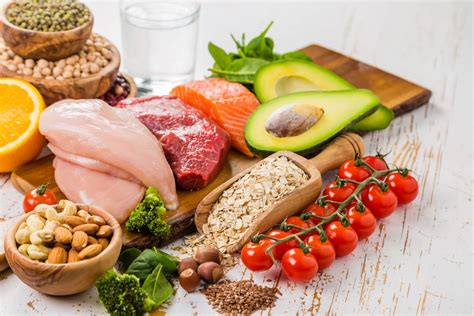
For genuine food enthusiasts, the experience of a meal extends far beyond taste. It encompasses aroma, texture, and, crucially, visual appeal. When it comes to healthy eating and reducing waste, visual plating becomes a powerful, often overlooked tool. It’s not merely about making food look good; it’s about making it look irresistible in controlled portions, encouraging mindfulness, and ensuring every edible part of an ingredient is celebrated.
The Psychology Behind Appealing Presentation
Our eyes eat first. A beautifully plated dish can elevate the perceived value and enjoyment of even the simplest ingredients. This psychological impact is key to promoting healthy eating and reducing waste:
- Increased Appreciation: When food looks meticulously prepared, we tend to savor it more slowly and appreciate the effort, making us less likely to overeat or discard leftovers carelessly.
- Enhanced Desire for Healthy Choices: Often, healthy food is unfairly perceived as bland or unexciting. Thoughtful plating can transform a simple salad or a lean protein into a gourmet experience, making nutritious options more appealing.
- Mindful Consumption: A well-arranged plate encourages slower eating, allowing the brain to register satiety signals more effectively, thereby preventing overconsumption and potential waste.
Plating Principles for Health and Sustainability
Real foodies integrate several plating principles to achieve both aesthetic appeal and waste reduction:
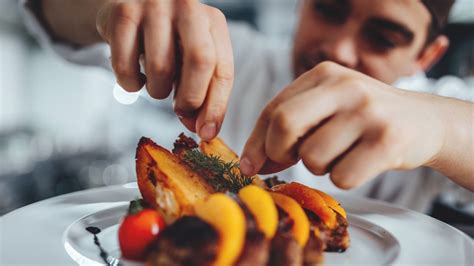
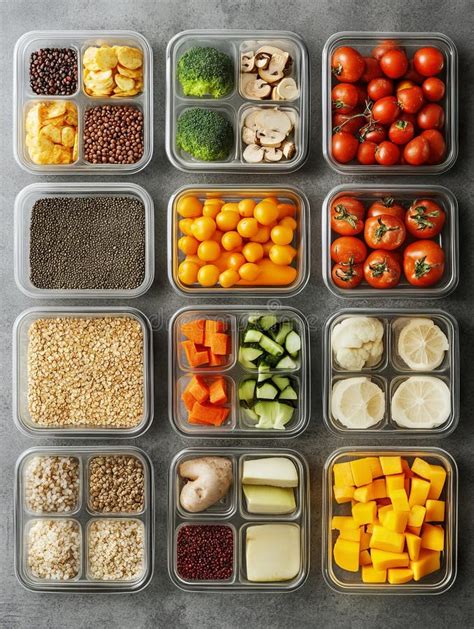
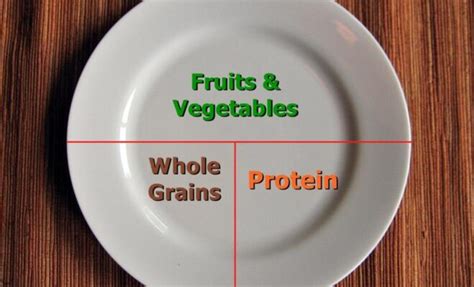
1. Portion Control Through Visual Cues: Instead of piling food high, foodies use smaller plates or strategically arrange food on a standard plate to make a moderate portion appear substantial and satisfying. Creating defined sections for different food groups (protein, grains, vegetables) helps in balancing nutrients without overdoing any one component.
2. Color and Contrast Utilization: A vibrant array of colors is not just attractive; it’s often an indicator of a diverse and nutrient-rich meal. Foodies maximize contrast using various vegetables, fruits, and grains, often incorporating otherwise discarded parts like colorful beet greens or radish tops as edible garnishes. This ensures all edible parts contribute to the dish’s visual and nutritional value.

3. Texture and Height for Interest: Healthy meals can sometimes lack textural excitement. Incorporating varied textures – crunchy nuts, creamy avocado, crisp vegetables – adds depth. Plating with height, by layering ingredients or forming small mounds, creates a dynamic visual that makes the meal feel more substantial and luxurious, even with smaller quantities.
4. Purposeful Garnishing: Garnishes aren’t just for show. Real foodies use edible garnishes that complement the dish’s flavor profile, often utilizing herb stems, citrus zests, or vegetable trimmings that might otherwise be discarded. A sprinkle of fresh herbs or a drizzle of a vibrant sauce not only adds flair but also uses up small quantities of ingredients efficiently.
Practical Tips for Sustainable & Appealing Plating
- Embrace Negative Space: Don’t feel the need to fill the entire plate. Leaving some empty space highlights the food and makes the presentation look more deliberate and elegant.
- The Rule of Odds: When arranging components, use an odd number of items (e.g., three asparagus spears, five cherry tomatoes). It creates a more visually interesting and balanced composition.
- Sauce as Art: Instead of drowning food in sauce, use a controlled drizzle or a delicate smear to add color and flavor without overwhelming the dish.
- Repurpose & Reinvent: Consider how scraps and leftover ingredients can become beautiful plating elements for future meals. Vegetable stems can be pickled, herb sprigs used for infusion, or fruit peels candied.
Beyond the Aesthetics: The Ripple Effect
By mastering the art of plating, foodies do more than just impress guests or capture Instagram-worthy shots. They foster a deeper connection with their food, promoting mindful eating habits that naturally lead to less waste. When healthy food is presented beautifully, it becomes more desirable, reducing the temptation for unhealthy alternatives and minimizing the likelihood of untouched portions ending up in the bin.
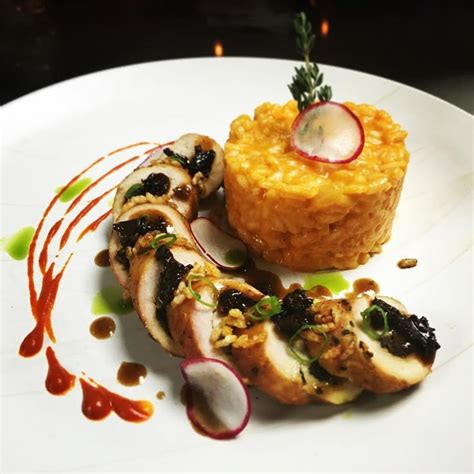
Ultimately, visual plating is a potent strategy in the ongoing quest for a healthier, more sustainable lifestyle. It transforms the act of eating into an experience of appreciation, turning every meal into an opportunity to savor, nourish, and respect the resources that bring food to our table.