How do real foodies visually scout authentic eats before travel?
Unlocking Authentic Flavors: A Visual Pre-Travel Guide
For the true foodie, travel isn’t just about sightseeing; it’s a meticulously planned culinary expedition. The quest for authentic, memorable eats often begins long before packing a suitcase, relying heavily on visual cues to distinguish tourist traps from genuine local treasures. But how do seasoned foodies visually scout these hidden gems before they even step foot in a new city?
It’s an art form, a blend of digital sleuthing and keen observation, transforming abstract reviews into tangible dining prospects. This guide delves into the visual strategies employed by culinary adventurers to ensure every bite on their journey is a taste of true authenticity.
The Social Media Lens: Instagram, TikTok & Beyond
Social media platforms are a goldmine for visual scouting, far surpassing the utility of mere review sites. Instagram, in particular, is a foodie’s best friend. Foodies scour hashtags (#localfood[city], #[city]eats, #[dishname][city]) and location tags to find user-generated content. The key isn’t just seeing pretty food, but discerning authenticity.
Look for close-up shots of dishes that aren’t overly stylized or professionally lit; often, the slightly imperfect, real-life photo tells a more honest story. Pay attention to the patrons – are they predominantly locals or tourists? The ambiance and decor visible in the background can also hint at the restaurant’s target audience and overall vibe. TikTok offers dynamic short videos showing the cooking process, the crowd, and even a quick ‘taste test’ from real customers, providing a more immersive visual experience.

Decoding Reviews: Beyond the Star Rating
While star ratings and written reviews are helpful, the real visual intelligence comes from the accompanying photos on platforms like Yelp, Google Reviews, and TripAdvisor. A seasoned foodie looks for consistency in photos across multiple reviews. Are the dishes photographed consistently well, or do they vary wildly, suggesting different experiences?
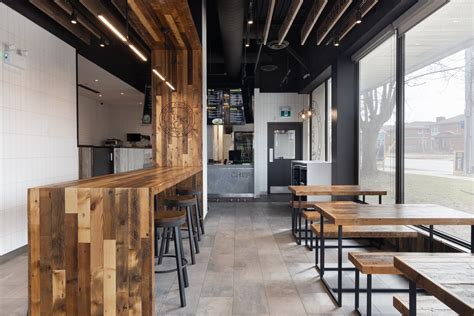
Beyond the food itself, scrutinize images of the restaurant’s interior and exterior. Does it look clean, well-maintained, and inviting? Are there any visual clues about portion sizes, ingredient quality, or unique presentation styles that align with your culinary preferences? Disregard photos that look like stock images; focus on the candid shots uploaded by real customers to get an unfiltered visual impression.
Google Maps & Street View: The Virtual Walk-Through
Google Maps isn’t just for navigation; its Street View feature is an invaluable tool for visual reconnaissance. Before you even arrive, you can “walk” down the street where a potential eatery is located. Observe the storefront: Is it bustling? Are there queues outside? What do the signs look like – are they in local languages or clearly catering to tourists with English-only menus displayed prominently?
Street View also allows you to check out the surrounding neighborhood. An authentic spot is often nestled among local businesses, far from souvenir shops and chain restaurants. Pay attention to details like outdoor seating, potted plants, and the general cleanliness of the immediate vicinity, all of which contribute to the overall visual assessment of a place’s authenticity and appeal.

Official Websites & Menus: Visual Consistency and Local Focus
Finally, a visit to the restaurant’s official website (if one exists) and a review of its menu can provide crucial visual cues. Does the website feature high-quality, appealing photos of their actual dishes, or generic stock photography? Are the descriptions of the food detailed and passionate, highlighting local ingredients and culinary traditions? Look for a menu that prominently features local specialties rather than a generic international selection.
Visual consistency between the website’s photos and what you’ve seen on social media or review sites is a strong indicator of a restaurant’s reliability. A well-designed, informative website that clearly showcases their commitment to quality and local flavors is often a good sign. It’s the final visual check to confirm that what you expect to eat aligns with the establishment’s self-presentation.
By employing these visual scouting techniques, foodies can dramatically increase their chances of discovering truly authentic culinary experiences. It’s about looking beyond the surface, piecing together a visual narrative from diverse digital sources, and trusting your gut (and your eyes) to guide you to your next unforgettable meal. Happy scouting, and bon appétit!