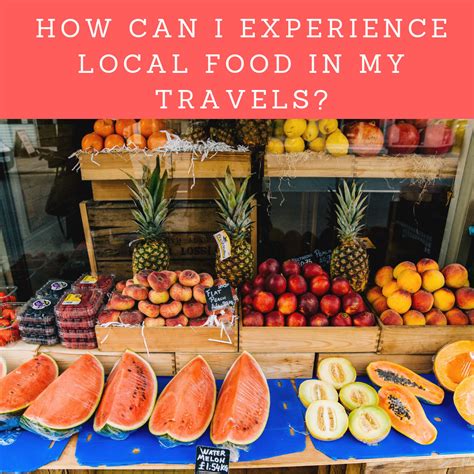
How do real foodies visually scout authentic local eateries for travel?
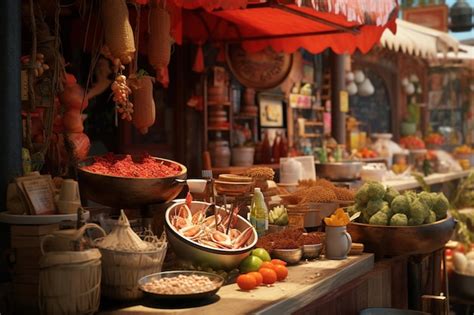
Beyond the Tourist Trail: The Art of Visual Food Scouting
For the discerning traveler, discovering truly authentic local cuisine is paramount to experiencing a new culture. While online reviews and travel guides have their place, real foodies develop an almost sixth sense for sniffing out genuine local eateries. This skill relies heavily on visual cues and keen observation, allowing them to bypass tourist traps and dive into the heart of a destination’s culinary soul. It’s less about what’s trending and more about what feels inherently authentic.
Observing the Crowd: The Local’s Stamp of Approval
The most telling sign of an authentic eatery is its clientele. Are the tables filled with locals, conversing in their native tongue, or are they predominantly tourists clutching guidebooks? A bustling restaurant during off-peak hours (e.g., a late lunch for locals, or an early dinner before the tourist rush) is a strong indicator. Look for families, groups of friends, and solo diners who clearly know the menu by heart and aren’t afraid to linger.
Pay attention to how people are eating. Are they savoring their meals, engaging with the food and each other, or quickly snapping photos before moving on? Locals treat dining as an experience, a social ritual, and often a key part of their daily rhythm, not just a photo opportunity.
Menu Mastery: Deciphering the Culinary Code
A genuinely local spot often has a smaller, focused menu. It specializes in a few dishes, perfected over time, rather than a sprawling, generic international offering. Look for handwritten menus, daily specials boards, or dishes described primarily in the local language, with perhaps a very basic translation. Overly glossy, multi-language menus with pictures of every dish can often be a red flag, signaling a place catering more to unfamiliar visitors than local palates.

Check the pricing. While not a definitive rule, authentic local spots are often reasonably priced for the quality, reflecting local economic standards rather than inflated tourist rates. Are seasonal ingredients highlighted? This indicates freshness, a connection to local producers, and a kitchen that adapts to what’s available.
Aesthetics & Atmosphere: Beyond Pretty Plates
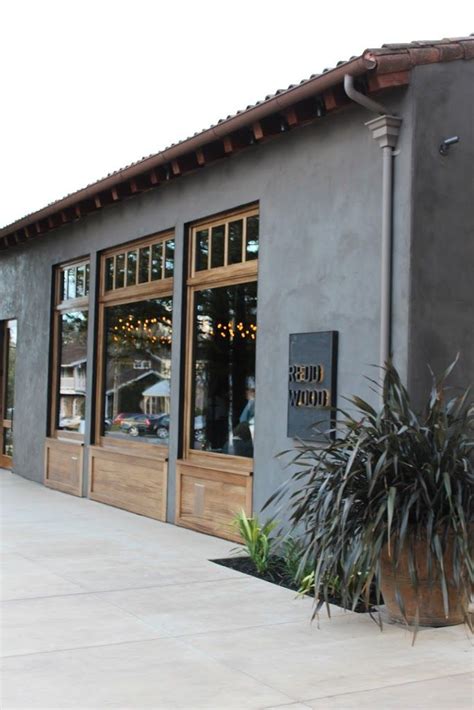
Real foodies appreciate character over polished perfection. A slightly worn exterior, mismatched furniture, or a simple, unpretentious decor often signal a place where the focus is entirely on the food. Immaculate, overly themed, or “insta-ready” interiors can sometimes mask a lack of substance in the kitchen. Authenticity often resides in the humble, not the flashy.
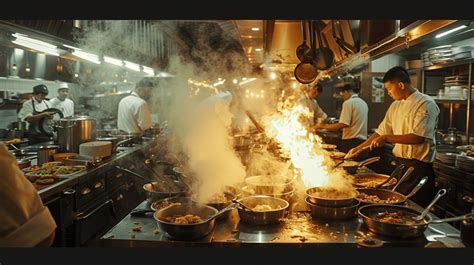
Observe the kitchen (if visible) and the staff. Is the kitchen bustling, clean but busy, exuding a sense of purpose? Are the staff attentive, engaged with patrons, often familiar with regulars, and genuinely proud of the food they serve? A visible, hardworking kitchen crew is almost always a good sign.
The Sensory Dive: Smell, Sound, and Sensation
Before even entering, trust your nose. Do you catch enticing aromas wafting from the doorway – the rich spices of a curry, the savory scent of roasting meats, the fresh notes of herbs, or the distinct sweetness of a local pastry? A lack of distinct smell, or worse, an unpleasant one, is a clear warning sign that the culinary experience might be lacking.
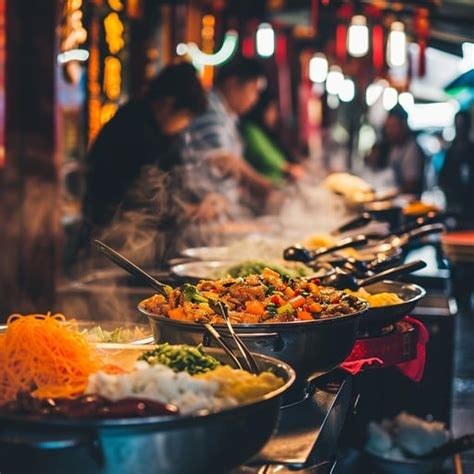
Listen to the ambient sounds. Is there a lively chatter of local voices, the clatter of plates, the sizzle from a busy kitchen, and the general hum of activity? Or is it quiet, with generic background music and sparse conversation? The soundscape of an authentic eatery is a vibrant symphony of local life, full of energy and purpose.
Trusting Your Gut: The Unspoken Signals
Sometimes, it’s an intangible feeling – a warmth, a sense of community, or just an intuitive pull towards a particular spot. This gut feeling often comes from subconsciously processing all the visual and sensory cues mentioned above. Don’t be afraid to take a chance on a place that “feels right,” even if it lacks extensive online reviews or appears unassuming from the outside. These are often the hidden gems.
True foodie adventures involve a degree of exploration and an openness to serendipity. By honing your observational skills and trusting your senses, you’ll uncover culinary treasures that offer not just a memorable meal, but a genuine taste of the local culture and an unforgettable travel experience.