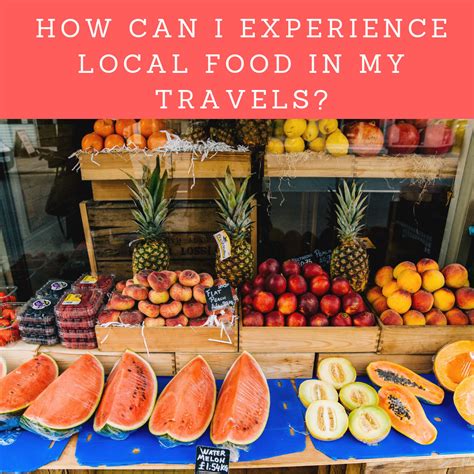
How do real foodies visually scout authentic local eateries on adventures?

The Art of Visual Scouting for Authentic Local Eats
For the discerning foodie, travel isn’t just about seeing sights; it’s about tasting cultures. But how do you cut through the tourist traps and unearth those truly authentic, soul-satisfying local eateries? It’s an art form, a visual treasure hunt that relies on keen observation and a deep understanding of what makes a place genuinely local. Forget the guidebooks for a moment; your eyes are your most powerful tool.
Observe the Crowd: The Ultimate Litmus Test
The first and most crucial visual clue is the clientele. Are the patrons predominantly locals? Look for people who seem to be residents – perhaps on their lunch break, families gathering for a meal, or friends chatting in the local dialect. A restaurant packed with locals, especially during non-peak tourist hours (like a bustling Tuesday lunch), is a strong indicator of authenticity. Conversely, a place with a menu in six languages and only tourists inside is usually a red flag.
Pay attention to their interactions, their comfort level, and the way they order. Locals don’t just eat; they inhabit the space, which provides an invaluable visual cue to the establishment’s true nature.
Exterior Clues: A Window to Authenticity
Before you even step inside, the exterior of an eatery can tell you volumes. Authentic local spots often have a lived-in feel. Look for:
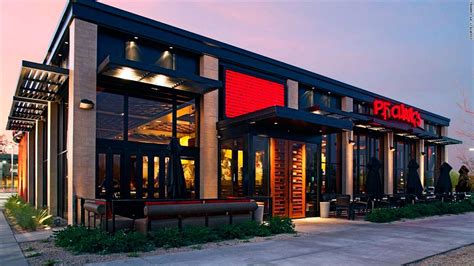
- Modest Facades: Unpretentious, sometimes even slightly worn exteriors, often suggest a focus on food over fancy decor.
- Handwritten Signs/Menus: These are gold! They indicate daily specials, fresh ingredients, and a proprietor who is hands-on.
- Local Language Prominence: Menus primarily in the local language, with maybe a small English translation, signify a place catering to its community.
- Lack of Aggressive Solicitation: Real local gems rarely have someone outside trying to usher you in. Their food speaks for itself.
- Specific Cultural Artifacts: Look for visual cues unique to the local culture, whether it’s specific pottery, religious symbols, or local art.

Inside Vibes: Confirming Your Suspicions
Once inside, your visual scouting continues. The interior decor often speaks volumes. Expect simplicity and functionality over flashy design. Look for:
- Simple, Clean Decor: Often utilitarian, but always clean. Comfort is key, not lavishness.
- Open Kitchens (if applicable): A clean, visible kitchen is a sign of confidence in hygiene and preparation.
- Local Newspapers/Magazines: These scattered around, or even a TV showing local news, further confirm a local clientele.
- Aromatic Clues: While not strictly visual, the rich, authentic smells of local spices and cooking are an undeniable sign of a true culinary experience.

The Menu and Food Presentation: Final Visual Checks
Finally, your eyes turn to the menu and, if possible, the dishes being served to other patrons. A shorter, focused menu is often a good sign; it suggests mastery over a few dishes rather than an overwhelming array of mediocre options. Look for:
- Specific Local Dishes: Are the main offerings traditional to the region?
- Seasonal Ingredients: Sometimes visually apparent through daily specials or fresh produce displays.
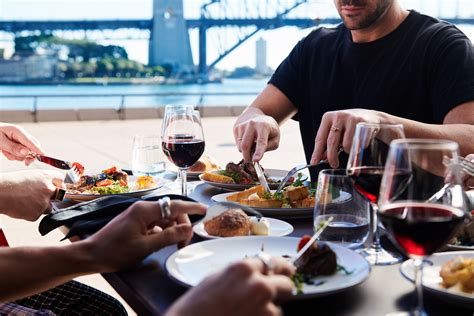
- Rustic Presentation: Authentic local food often prioritizes flavor and substance over elaborate plating, though presentation can still be appealingly rustic.
- Generous Portions: Often a hallmark of local hospitality and value.
Trust Your Gut (and Your Eyes)
Ultimately, visual scouting for authentic local eateries is about trusting your instincts, honed by observation. It’s about looking beyond the polished exteriors and flashy signs, seeking out the places that genuinely belong to their community. By paying attention to the crowds, the facades, the interiors, and the food itself, real foodies can consistently uncover the hidden culinary gems that transform a trip into an unforgettable gastronomic adventure.