How do real foodies visually spot authentic local eateries abroad?

Beyond the Guidebook: The Art of Visual Spotting
For the true culinary explorer, discovering an authentic local eatery abroad is akin to striking gold. While online reviews and guidebooks offer a starting point, real foodies develop a sixth sense for visually identifying the places where locals genuinely eat. It’s about discerning subtle clues that signal a genuine experience, far removed from tourist traps.
The Crowd Dynamics: Who’s Eating Here?
One of the most immediate and telling visual cues is the clientele. Scan the room: is it predominantly filled with locals – families, business people, or elderly residents – rather than camera-toting tourists? A restaurant bustling with native speakers, especially during traditional meal times, is often a strong indicator of quality and authenticity. Look for a genuine mix of generations and social groups, all comfortably enjoying their meals.
Conversely, an empty restaurant, or one filled exclusively with visitors, should raise a red flag. Locals know where the good food is, and they’ll frequent those spots.

Menu and Signage: Less is Often More
The presentation of the menu can reveal a lot. Authentic local eateries often feature menus that are hand-written, chalked on a board, or solely in the local language – sometimes with no English translation at all. This lack of overt catering to tourists suggests confidence in their local appeal. Overly elaborate, glossy menus with generic pictures of every dish, especially those translated into multiple languages, can sometimes be a sign of a tourist-centric establishment.
Similarly, the exterior signage should be observed. Is it understated, perhaps a bit worn, or does it scream for attention with flashy lights and generic imagery? Often, the most authentic places have humble, unpretentious signs, focusing more on their culinary offerings than their marketing.
Ambiance and Decor: Function Over Flash
Authenticity rarely comes with extravagant, Instagram-perfect decor. Instead, look for a lived-in feel: practical furniture, perhaps slightly mismatched chairs, and decorations that reflect local culture rather than generic international aesthetics. An open kitchen where you can see and hear the chefs at work, or shelves adorned with local products and ingredients, are positive indicators.
The focus in truly local spots is almost always on the food and the dining experience, not on creating a slick, modern facade. Embrace the rustic, the traditional, and even the slightly unpolished – these are often hallmarks of genuine local flavor.

Sensory Overload: Sights, Sounds, and Smells
Engage all your senses before even stepping inside. What are the predominant aromas wafting from the kitchen? Are they rich, complex, and inviting, hinting at fresh ingredients and traditional cooking methods? Listen for the buzz of lively local conversation, the clatter of plates, and the rhythmic sounds of cooking.
Visually observe the food being served to other diners. Does it look fresh, vibrant, and made with care? Are the portions generous? Is there variety in the dishes, suggesting a diverse and well-prepared menu?
Location, Location, Location: Off the Beaten Path
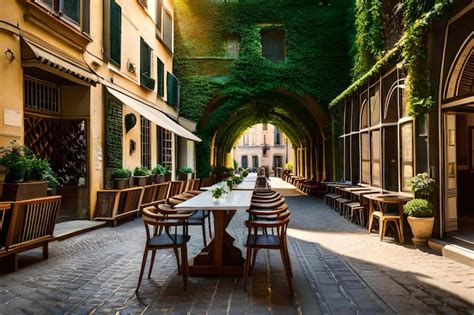
While not strictly a visual cue of the establishment itself, the location provides significant context. Authentic eateries are often found slightly off the main tourist drag, nestled on quiet side streets or in residential neighborhoods. Proximity to local markets, schools, or community centers can also be a good sign, indicating it caters to the daily lives of residents.
Trust Your Gut: The Final Ingredient
Ultimately, spotting authentic local eateries abroad is an art refined through practice. It’s about combining these visual cues with intuition. The most memorable culinary adventures often come from stepping outside your comfort zone and trusting the subtle signals that point to a truly local, deeply satisfying meal. Happy hunting!