How do real foodies visually spot authentic local eateries, avoiding tourist traps?

The quest for authentic local flavors is central to any memorable food adventure. Yet, navigating a new city’s culinary landscape can feel like a minefield, with vibrant tourist traps often overshadowing genuine hidden gems. For seasoned foodies, however, spotting an authentic eatery isn’t just luck; it’s an art rooted in keen observation and an understanding of cultural nuances. Here’s how to visually decode the signs and dine like a local, every time.
The Golden Rule: Follow the Locals
This is arguably the most potent visual cue. A restaurant packed with local patrons, especially during non-peak tourist hours (like a weekday lunch), is a strong indicator of authenticity. Observe their demeanor: are they comfortable, chatting animatedly in the local language, or do they look like bewildered tourists consulting phrasebooks?
Real locals often dress casually, blend into the surroundings, and interact naturally with the staff. They’re not taking endless photos of their food but rather enjoying the experience as a regular part of their day. If you see a line forming, particularly of people who appear to be residents, consider it a flashing green light.

Menu Mastery: Beyond the Pictures
Tourist trap menus often feature laminated pages, glossy photos of every dish, and translations into multiple languages (English, German, French, etc.) prominently displayed. While multilingual menus aren’t always a red flag, an *over-reliance* on them can be.
Authentic eateries, especially smaller, family-run ones, might have handwritten menus, a chalkboard with daily specials, or a menu primarily in the local language, perhaps with a brief English translation if they cater to some international visitors. Look for menus that specialize in a few dishes done exceptionally well, rather than offering an overwhelming array of generic international options.
The Aesthetics of Authenticity
Real local spots rarely boast flashy, over-the-top decor designed to ‘attract’ tourists. Instead, their appeal often lies in their unpretentious, lived-in charm. Externally, this might mean a humble facade, a slightly worn sign, or even being tucked away on a side street. Interiors are often functional, clean, and reflect local culture without being overly thematic or kitschy. Think simple wooden tables, local artwork (or none at all), and perhaps a bustling, open kitchen.
Avoid places with costumed staff, overly aggressive hawkers trying to pull you in from the street, or decor that feels mass-produced or generic. Authenticity often whispers, it rarely shouts.
Location, Location, (Not) Main Street
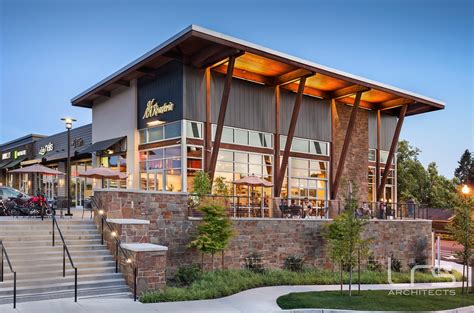
The busiest, most prominent streets near major landmarks are almost always rife with tourist traps. These locations command high rents, which often translates to higher prices and lower quality food designed for quick turnover.
Venture a block or two off the main thoroughfares, away from the immediate vicinity of major attractions. Authentic local eateries often thrive in residential neighborhoods, market areas, or slightly less conspicuous spots where they cater to a regular clientele. A genuine foodie knows that the best discoveries are rarely spoon-fed; they require a little exploration.

Senses Speak Volumes: Sight, Smell, and Sound
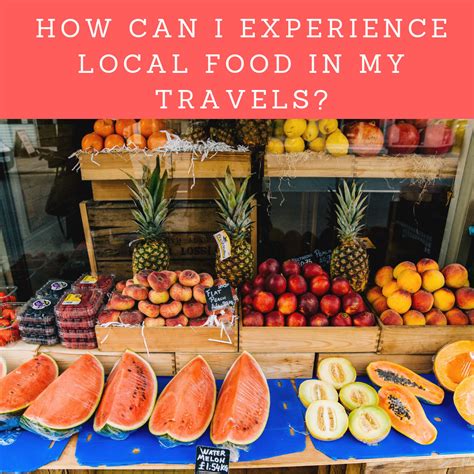
Before you even step inside, let your senses guide you. What are the predominant smells emanating from the kitchen? Is it the aroma of fresh, simmering ingredients, or something more generic? Can you see fresh produce or ingredients displayed near the entrance or kitchen?
Inside, pay attention to the sounds: is it the clatter of busy local conversations, the sizzle of food being prepared, or piped-in generic music? Visually, observe the food on other diners’ tables. Does it look fresh, appetizing, and prepared with care, or does it resemble something mass-produced? Authentic local dishes often prioritize flavor and tradition over elaborate, ‘instagrammable’ presentation.

Mastering the art of spotting authentic local eateries is a skill that enhances any travel experience. By paying attention to who’s dining, how the menu is presented, the general aesthetics, location, and the symphony of sights and smells, you can confidently navigate the culinary landscape and savor the true flavors of your destination, leaving the tourist traps far behind.