How do real foodies visually spot authentic local food adventures?

The Unspoken Language of Authentic Local Eateries
For the seasoned foodie, the quest for authentic local cuisine is more than just a hunt for delicious flavors; it’s an immersive cultural experience. While taste is paramount, the journey often begins with what the eyes perceive. Before even a single bite, real foodies possess an almost innate ability to visually sift through the myriad of dining options and pinpoint those hidden gems that promise a true taste of local life. It’s about understanding the subtle, unspoken language of a place through its culinary landscape.
This skill isn’t magic; it’s an accumulation of observation, experience, and a deep understanding of what genuinely local looks like. From bustling street stalls to unassuming hole-in-the-wall restaurants, certain visual cues consistently betray the authenticity of a food adventure.
The Crowd: A Primary Indicator
Look for Local Patrons, Not Tourists
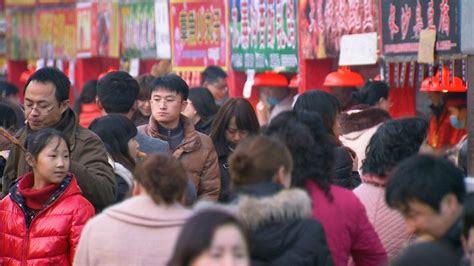
- Demographics Don’t Lie: The most straightforward visual cue is the clientele. If a restaurant is packed primarily with locals – families, business people on lunch breaks, students – it’s a strong indicator of authenticity. Locals know where the good food is, and they frequent places that offer quality and value.
- Language Barrier is a Good Sign: While not strictly visual, if you overhear conversations predominantly in the local language, you’re likely in the right place. A menu solely in the local language (or with minimal English translation) also points towards a local focus.
- Long Lines Are Encouraging: A queue, especially one made up of locals, suggests popular and worthwhile food. Be wary of places that are suspiciously empty during peak dining hours.
The Setting: Simplicity Over Showmanship
Understated Charm vs. Overt Tourist Trappings
Authentic local eateries often prioritize substance over flash. Their visual appeal lies in their functionality and character, not in elaborate decorations designed to attract tourists.
- Modest Facades: Look for unassuming exteriors, perhaps a simple sign, or even no sign at all. Places with overly polished, generic, or aggressively themed decor often cater to an international palate rather than a local one.
- Functional Furniture: Simple tables and chairs, perhaps a bit worn, are common. High-gloss finishes, plush seating, and perfectly coordinated aesthetics can sometimes be a red flag.
- Kitchen Visibility: If you can see into the kitchen or watch the chefs at work, it often signifies confidence in their hygiene and cooking process. This transparency is a hallmark of many authentic street food stalls and small local restaurants.
Ingredients and Presentation: Freshness and Honesty
Raw Materials and the Plate’s Story
The visual quality of the ingredients and how the food is presented speak volumes about a place’s commitment to authentic flavors.
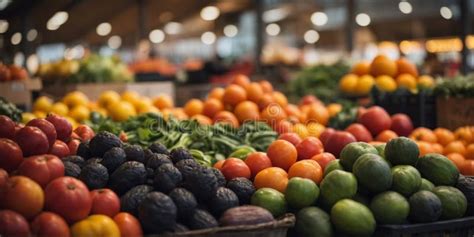
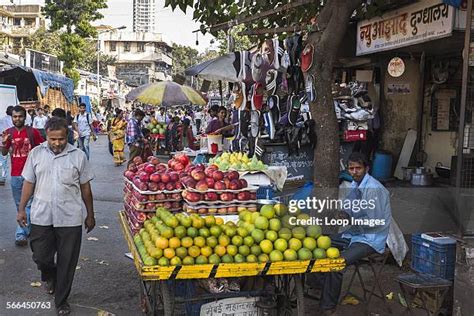
- Vibrant, Fresh Produce: If ingredients are displayed – whether at a market stall or within the restaurant – look for vibrancy, color, and signs of freshness. Wilted greens or dull-looking produce are warning signs.
- Minimalist Plating: Authentic local food is often plated simply, focusing on the natural appeal of the dish itself rather than elaborate garnishes. The food looks ‘real’ and hearty, not overly sculpted or art-directed.
- Specific Cooking Apparatus: Glimpsing traditional cooking methods – a charcoal grill, a tandoor oven, or specific woks – can indicate that authentic techniques are being used.
The Details: Small Cues That Matter
Beyond the Obvious
- Handwritten Menus: A chalkboard menu or a handwritten one (especially if it changes frequently) suggests a focus on seasonal ingredients and daily specials, a common practice in truly local establishments.
- Local Beverages: The presence of local brands of sodas, beers, or traditional drinks on the menu, rather than only international brands, is another subtle indicator.
- Table Settings: Simple, functional cutlery and tableware, possibly mismatched or locally sourced, contribute to an authentic feel. Overly fancy or generic Western-style place settings might suggest a tourist-oriented establishment.
- Vendor Interaction: Observe how vendors or staff interact with customers. A genuine, relaxed, and familiar rapport with their local clientele often signifies a trusted community spot.
Trust Your Gut (and Your Eyes)
Ultimately, spotting authentic local food adventures is an art developed through experience. While guidebooks and online reviews can offer a starting point, nothing beats the power of keen visual observation. By training your eyes to pick up on these subtle yet powerful cues – the crowd, the setting, the ingredients, and the small details – you can significantly increase your chances of discovering those truly unforgettable culinary experiences that define a destination. So next time you’re exploring, pause, look around, and let the visual story of the local food scene guide your adventure.