How do real foodies visually spot authentic, photogenic local eateries?
For the true gastronome, discovering an authentic local eatery is akin to finding a hidden treasure. It’s not just about satisfying hunger; it’s about immersing oneself in the culture, flavors, and stories that define a place. While online reviews offer a starting point, real foodies develop a keen eye for visual cues that whisper “authentic” and “photogenic” even before the first bite. So, how do they do it?
The Undeniable Pull of Local Patronage
One of the most reliable indicators of an authentic local spot is the crowd it attracts. Look for establishments bustling with locals, especially during off-peak hours when tourists might shy away. Long queues, animated conversations in the local language, and families sharing meals are all positive signs. If the menu is predominantly in the local tongue, or perhaps handwritten with a few English translations scribbled in, you’re likely on the right track. Authenticity often means catering to the community first.
Another tell-tale sign is the “lived-in” look – not dirty, but well-worn tables, comfortable chairs, and a general air of a place that has served countless happy customers over the years. These aren’t just restaurants; they’re institutions.
Decoding the Exterior Clues
The exterior of an authentic eatery often tells a story of humility rather than flashy marketing. Avoid establishments with aggressive touts or generic, chain-like signage. Instead, seek out modest facades, sometimes tucked away down a side street or alley. A simple, hand-painted sign, a collection of potted plants, or even a faded awning can suggest a place that relies on reputation and quality, not just curb appeal. Food stalls with bustling activity and visible cooking are also prime candidates for genuine experiences.
Conversely, be wary of places with overly polished, generic branding or menus plastered with “tourist trap” flags like multiple language flags without any local patrons in sight. Authenticity often thrives in the unpretentious.

Inside the Culinary Sanctuary
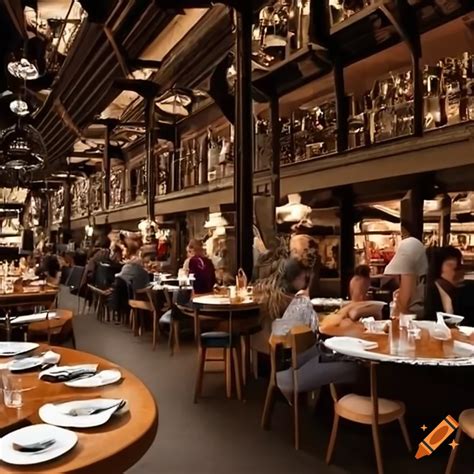
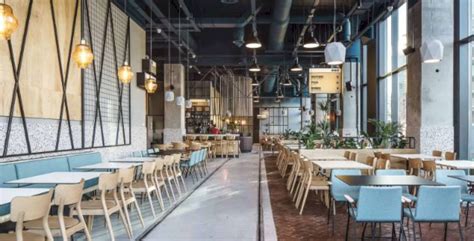
Step inside, and the visual clues continue. Authentic eateries often boast decor that is simple, functional, and reflective of local culture, rather than a generic theme. Think mismatched chairs, local artwork or photographs adorning the walls, or even an open kitchen where you can watch the culinary magic unfold. The focus is on the food and the dining experience, not an elaborate interior design scheme.
While cleanliness is always paramount, authenticity doesn’t necessarily mean sterility. There might be a charming clutter, a sense of history in the furniture, or a well-used set of cooking tools that speak to years of dedicated service. Look for natural light sources – windows, skylights – which not only create a pleasant ambiance but are also a godsend for capturing those perfect food photographs.
The Visual Feast: Food Presentation and Ambiance
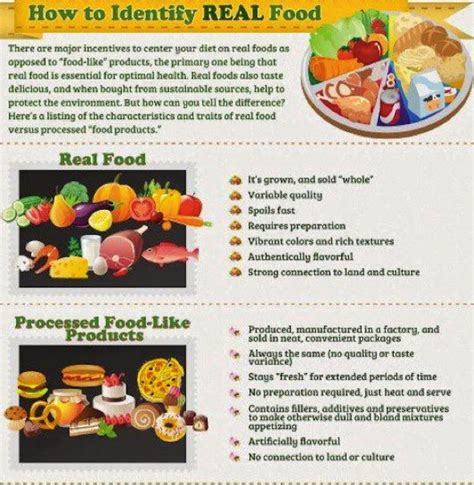
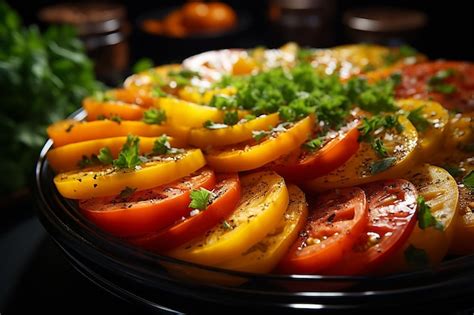
Finally, the food itself offers the most crucial visual indicators. Authentic dishes often prioritize substance and flavor over intricate, minimalist plating. Look for vibrant colors, fresh ingredients, generous portions, and a rustic charm in presentation. You might see steam rising from a hot bowl, fresh herbs liberally sprinkled, or dishes served in traditional pottery or simple, sturdy tableware. The food should look inviting, hearty, and real.
For the photogenic aspect, observe how the food is naturally presented and the lighting conditions. Many authentic spots have ample natural light, making it easier to capture the true essence of the dish without the need for artificial lighting or heavy filters. The dish should look good enough to eat, right off the pass, reflecting its genuine appeal.
The Intangible “It” Factor
Beyond specific visual elements, foodies also learn to trust their gut feeling – the “it” factor. This includes the welcoming warmth from the staff, the rhythmic sounds of the kitchen, the enticing aromas wafting through the air, and the palpable passion for food that permeates the entire establishment. It’s a holistic visual and sensory experience that, when combined, points to a genuinely remarkable find.
So next time you’re on a culinary quest, sharpen your visual senses. Look beyond the obvious, embrace the unassuming, and let these subtle cues guide you to your next unforgettable food adventure. Happy hunting!