How do real foodies visually vet authentic local eats for their next food adventure?

The Art of Visual Vetting for Culinary Gems
For the true foodie, a culinary adventure isn’t just about eating; it’s about discovering the soul of a place through its food. But how do you navigate a foreign streetscape, teeming with options, to sniff out the truly authentic local eats? The answer often lies in mastering the art of visual vetting. It’s a skill honed through observation, cultural understanding, and a healthy dose of intuition, allowing you to bypass tourist traps and dive straight into the heart of local flavors.
The Lure of Local Crowds: The Ultimate Indicator
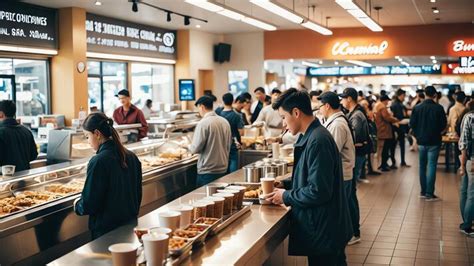
One of the most reliable visual cues for authentic local food is the crowd. If a restaurant or street stall is bustling with locals, especially during peak meal times, you’ve likely hit a jackpot. Look for families, groups of friends, and multi-generational diners speaking the local language. They aren’t there for the ambiance or the Instagram photo; they’re there for good, honest food.
Observe their plates – are they savoring the dishes? Is there a steady stream of customers, indicating popular fare and fresh ingredients? A restaurant consistently patronized by locals is almost always a sign of quality, authenticity, and fair pricing.
Decoding the Exterior and Signage: Beyond the Polish
Don’t be swayed by gleaming facades or flashy signs. Often, the most authentic local eateries are humble, unassuming, and even a little worn. Look for hand-scrawled menus, perhaps with limited English, or signs exclusively in the local script. A lack of overly polished branding or a diverse menu featuring ‘international’ dishes can often be a good sign that the establishment specializes in and takes pride in its local offerings.
Be wary of places with laminated picture menus translated into multiple languages, especially if they’re prominently displayed to catch tourist eyes. While not always a red flag, it’s often a sign that the focus is more on mass appeal than culinary heritage.
The Menu and Food Display: Simplicity is Key
Once you’ve narrowed down a spot, visually inspect the menu (if available) and the food display. Authentic places often have shorter, more focused menus, indicating specialization. They know what they do well and stick to it. Look for seasonal ingredients, daily specials, or dishes that highlight local produce and traditions.
If there’s a visible food display, assess its freshness. Are vegetables vibrant? Is meat or seafood glistening and well-kept? This transparency allows you to gauge the quality of ingredients before you even order.
Peeking into the Prep: Hygiene Without Sterility
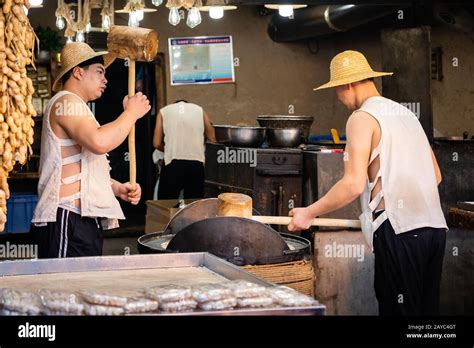
For street food or open-kitchen establishments, the cooking process itself can be a powerful visual cue. Observe the cooks: are they working with purpose? Is the cooking area busy but organized? It’s not about clinical sterility – some of the best street food happens in what might seem like chaotic environments – but rather about active, diligent preparation and respect for the ingredients.
A visible flame, sizzling woks, or fresh ingredients being chopped right before your eyes can all be great indicators of a lively, authentic kitchen where food is made to order and with care.
The Ambiance: Beyond Just Decor
The overall atmosphere or ‘vibe’ of a place speaks volumes. Is there a genuine buzz? Are the sounds those of cheerful chatter, clinking cutlery, and the delightful aromas of cooking? Authentic local eateries often possess a ‘lived-in’ feel. The decor might be simple, practical, and show signs of years of joyful use. It’s about comfort, community, and the shared experience of good food, not necessarily designer aesthetics.
Look for a sense of history or family tradition in the setup. Sometimes, the most unassuming places have been run by the same family for generations, carrying on culinary legacies.
Red Flags: What to Avoid
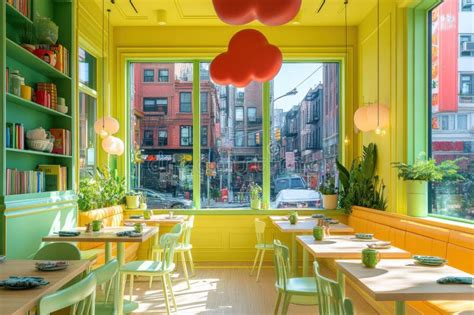
While looking for positive visual cues, also be mindful of red flags. An empty restaurant during peak hours is a clear warning sign. Overly aggressive touts trying to pull you in, or a menu featuring generic ‘international cuisine’ in a place known for its distinct local fare, should also raise an eyebrow. If everything looks too polished, too quiet, or too obviously designed for tourists, it might be best to keep walking.
Trust Your Gut (and Your Eyes)
Ultimately, visually vetting authentic local eats is about combining these observations with your own intuition. Trust your senses – the sight of happy diners, the smell of spices wafting through the air, the genuine smile of a vendor. By sharpening your visual detective skills, you transform every food adventure into a deeply immersive and truly delicious cultural experience, one authentic bite at a time.