How do real foodies visually vet authentic local eats for their visual feeds?

The Art of Visual Authenticity in Local Eats
For the discerning foodie, a truly authentic local meal isn’t just about taste; it’s a multi-sensory experience that begins long before the first bite. In the age of visual feeds, vetting these genuine culinary gems often starts with the eyes. But how do seasoned food adventurers cut through the tourist traps and spot the real deal? It’s a combination of subtle visual cues, environmental observations, and an innate understanding of local culture.
The first step is often to observe the crowd. A tell-tale sign of authenticity is a high percentage of local patrons. Are families gathered, speaking the local language? Do they seem to be regulars, comfortable in their surroundings? Restaurants catering primarily to locals often prioritize tradition and quality over flashy, tourist-oriented presentation. Look for lively chatter, animated gestures, and the shared enjoyment of food that transcends mere sustenance.
Decoding the Dish: Presentation and Ingredients
Once you’ve identified a promising spot, it’s time to scrutinize the food itself. Authentic local dishes often possess a rustic charm, reflecting generations of cooking traditions rather than contemporary plating trends. Overly elaborate garnishes or fusion attempts might signal a deviation from traditional methods. Instead, look for simplicity, vibrant natural colors, and textures that speak of fresh, high-quality ingredients.
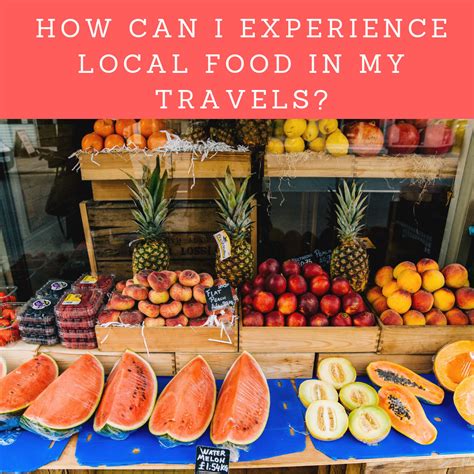
Pay close attention to the ingredients. Are the vegetables seasonal and brightly colored? Does the meat look tender and well-prepared? In many cultures, the freshness of ingredients is paramount. A truly authentic establishment will often display its produce proudly or source it daily from local markets. The way a dish is cooked and presented should feel organic, a reflection of its heritage, not a staged performance for cameras.

The Environment: Beyond the Plate
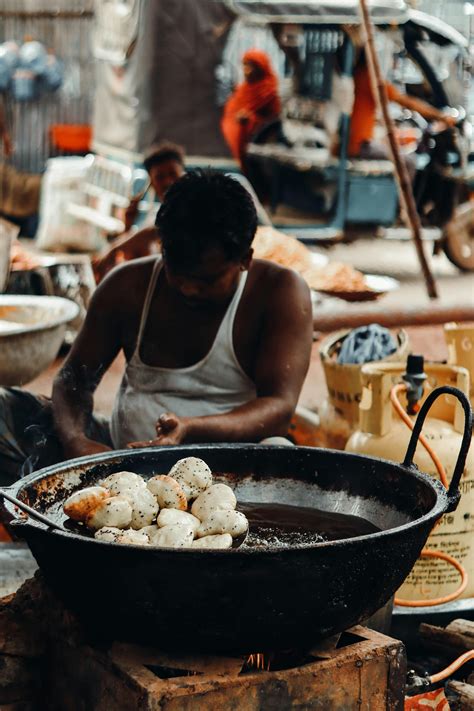
Authenticity extends beyond the plate to the entire dining environment. The ambiance, decor, and even the sounds can offer valuable clues. Is the kitchen visible, showing bustling activity and traditional cooking methods? Are there specific utensils or serving ware unique to the region? Sometimes, the most authentic experiences are found in unassuming, hole-in-the-wall establishments with simple, functional decor that has evolved organically over years.
The sounds are just as important as the sights. The sizzle of a wok, the rhythmic chop of a butcher, or the bubbling of a stew all contribute to the symphony of an authentic kitchen. Even the aroma—a complex blend of spices, herbs, and cooking fats—can transport you directly to the heart of local cuisine, confirming its genuineness.
Engaging the Senses (and Locals)
Real foodies aren’t afraid to engage with their surroundings. Watch how locals eat their food – do they share dishes? Do they use specific condiments or accompaniments? Observing these rituals can deepen your understanding and appreciation of the meal. A quick glance at neighboring tables can reveal popular dishes or local favorites that might not be prominently featured on an English menu.
Finally, trust your gut (pun intended!). If a place feels right, if the energy is genuine, and if the food looks like it was made with passion and tradition, chances are you’ve found a winner. Capturing it for your visual feed then becomes less about staging and more about documenting an honest, delicious discovery.