How do real foodies visually vet local eateries for truly authentic experiences?

Beyond the Buzz: Reading a Restaurant’s Visual Language
In the quest for genuine culinary experiences, real foodies understand that online reviews, while helpful, are just one piece of the puzzle. The true art of discovering an authentic local eatery often lies in a keen eye and an understanding of visual cues. It’s about reading the unspoken language of a establishment before you even taste a single dish. From the moment you approach a building to the first glance inside, a wealth of information is available to those who know how to look.
The Exterior Tells a Story
The facade of a restaurant can reveal a surprising amount about its soul. Authentic local spots often don’t have glossy, corporate signage. Instead, look for signs of history: a slightly weathered sign, perhaps hand-painted, or a storefront that blends seamlessly, and sometimes unobtrusively, into the local architecture. Is the exterior well-maintained but not overly polished? Over-manicured exteriors can sometimes signal a chain or a place more focused on aesthetics than substance. Pay attention to the neighborhood integration – does the place feel like it belongs, or does it stick out?

Also, peek through the windows if you can. Are they clean enough to see inside, yet perhaps slightly steamy from a bustling kitchen? A glimpse of patrons enjoying themselves, or a chef at work, can be a great indicator. Foodies often appreciate a certain lived-in charm over sterile perfection.
Stepping Inside: Ambiance and Atmosphere
Once you step across the threshold, the interior decor, or lack thereof, speaks volumes. Authentic eateries often reflect the local culture and history in their design. This might mean local art on the walls, traditional patterns, or even a delightful mismatch of furniture that has evolved over time. Avoid places that feel generic, like they could be anywhere in the world. The lighting should feel natural and inviting, not harsh or overly stylized. And yes, cleanliness matters, but there’s a fine line: a place can be authentically well-used and clean without being sterile or cold.
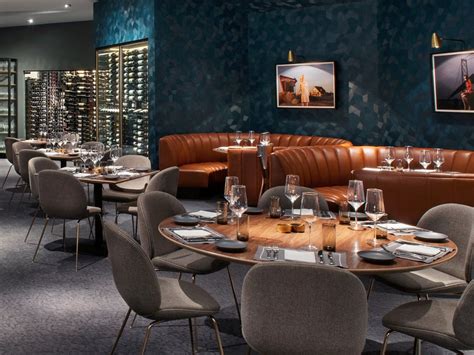
A visible kitchen, even a partial view, is often a very good sign. It suggests transparency and confidence in their culinary process. Watch the staff – are they engaged, bustling, and interacting comfortably with patrons? Happy, busy staff often correlate with a well-run and authentic establishment.
The Menu and Its Message
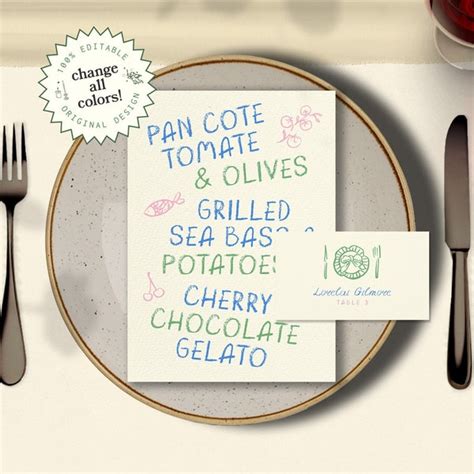
The menu itself is a critical visual cue. Is it concise and focused, or does it sprawl across multiple laminated pages with generic stock photos? Authentic places often specialize in a smaller, carefully curated selection of dishes, often seasonal or regional specialties. Look for menus with local ingredients highlighted or dishes named in their original language, perhaps with a simple, genuine translation. A handwritten specials board is often a foodie’s delight, indicating freshness and adaptability. Price points should align with the local economy – beware of places that seem overly expensive for the region, as they might be catering to a different clientele.
Observing the Crowd and Staff
Who is eating there? This is perhaps one of the most significant visual indicators. A restaurant filled with local families, business people, or groups of friends speaking the local language is a strong signal of authenticity. If the place is primarily filled with tourists, especially those glued to their guidebooks, it might be a tourist trap. Equally important is observing the staff. Are they primarily locals? Do they seem genuinely passionate about the food and culture they represent? An owner present and interacting with customers often indicates a high level of care and personal investment.

The Little Details That Matter
Finally, foodies pay attention to the subtle details. Are the table settings simple and functional, or overly fussy? Are the condiments on the table local or generic? The smell emanating from the kitchen when you walk in can be incredibly telling – is it fragrant with fresh spices and cooking, or nondescript? Even the presentation of food on other patrons’ plates can offer clues: does it look homemade and hearty, or mass-produced and overly styled? The sight of a chef meticulously plating a dish, even in a casual setting, speaks volumes about the care taken with the food.

In essence, visually vetting a local eatery is about trusting your instincts and interpreting the myriad non-verbal cues a place offers. It’s about seeking out the establishments that radiate a genuine love for food, community, and tradition, turning every dining experience into a truly authentic adventure.