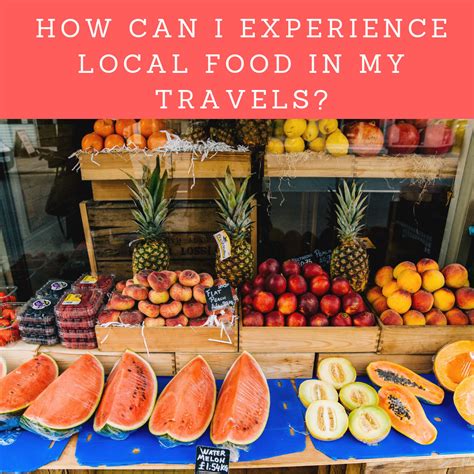
How do real foodies visually vet online feeds to find authentic local eats?

In an era saturated with highly curated digital content, the quest for genuine, unpretentious local food has become a refined art form for true food enthusiasts. While glossy, professionally shot images abound, real foodies possess a unique knack for seeing beyond the polished veneer, employing a sophisticated visual vetting process to unearth culinary gems that truly represent a locale’s authentic flavors.
The Art of Visual Deciphering: Beyond the Plate
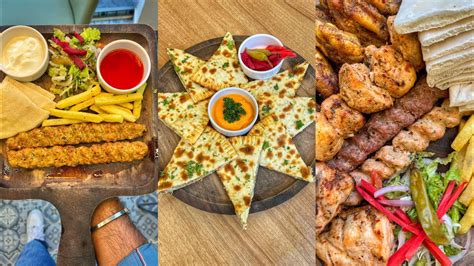
The first step in a foodie’s visual vetting process is to look past the immediate allure of a perfectly plated dish. Authentic local eateries often prioritize flavor and tradition over Instagrammable aesthetics. Foodies seek out images that reflect a certain ‘rawness’ – perhaps slightly imperfect plating, generous portions, or a dish that clearly speaks of homemade charm rather than haute cuisine aspirations. The focus shifts from ‘pretty’ to ‘real’. Are the ingredients fresh and vibrant, even if presented simply? Does the dish look comforting and well-loved?
Clues in the Clicks: Beyond the Dish Itself
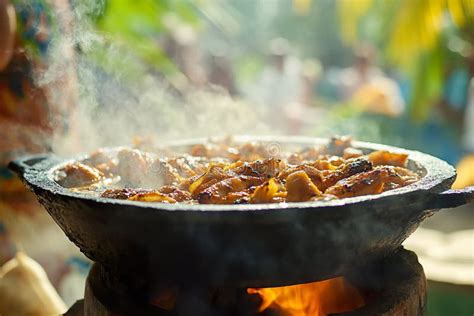
A true visual vet extends far beyond the food itself. Savvy foodies scrutinize the background, the ambiance, and even the clientele. Images showing bustling tables filled with locals, not just tourists, are a strong indicator of authenticity. Look for signs of local culture – unique decor, traditional utensils, or a no-frills setting that suggests a long-standing establishment focused solely on its food. Kitchen shots, if available, can also reveal much: Are ingredients handled with care? Does the space look lived-in and productive, rather than sterile and staged?
Reading Between the Lines (and Pixels): User-Generated vs. Curated Content
Real foodies prioritize user-generated content over official restaurant photos. While a restaurant’s own gallery might feature their best, most artistic shots, the collective wisdom of customer photos provides a more honest and varied perspective. Look for consistency across multiple user photos – do dishes appear similar across different posts? A barrage of overly perfect, professional-looking images from users might actually be a red flag, suggesting a place more interested in hype than substance. Conversely, a stream of slightly imperfect, yet mouth-watering, customer photos is often a strong positive sign.
The Human Element: People in the Pictures
Who is eating there? This is a crucial visual cue. Pictures featuring families, older generations, or groups of friends who appear to be locals can signal a beloved community spot. The expressions on people’s faces can also be telling – are they genuinely enjoying their meals? Do the staff appear friendly and engaged? These subtle human elements add layers of credibility and suggest a dining experience that goes beyond mere sustenance, offering a glimpse into the local way of life.
From Screen to Scene: The Final Verdict
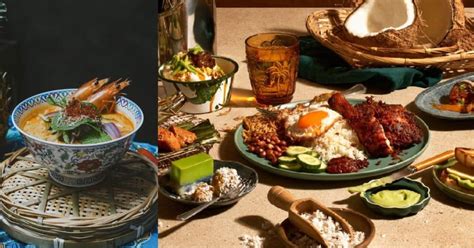
Ultimately, the visual vetting process culminates in a holistic assessment. Foodies combine all these visual clues with other subtle indicators. They might look for handwritten menus, specific local beverage brands, or unique table settings that suggest a deeply rooted establishment. The goal isn’t just to find good food, but to find food that tells a story – a story of tradition, community, and genuine local flavor. By meticulously dissecting what they see, real foodies transform the overwhelming digital landscape into a navigable map to authentic culinary adventures.
Mastering this visual intuition takes practice, but for those dedicated to discovering the true essence of a place through its cuisine, it’s an indispensable skill. It’s about learning to trust your eyes, and then your gut, to guide you to the most memorable and authentic eats a destination has to offer.