How do Visual Bites convert foodie ‘likes’ into actual recipe page visits?
The Allure of the Visual Bite: From Scroll to Crave
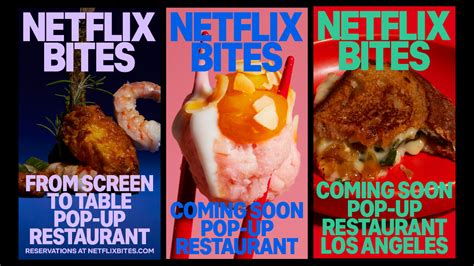
In the bustling digital landscape of social media, where attention spans are fleeting and content reigns supreme, food creators face a unique challenge: how to stand out and convert passive engagement into active interest. Enter ‘Visual Bites’ – the captivating, snackable food content designed to immediately grab attention. These aren’t just pretty pictures; they are strategically crafted glimpses into culinary delights, engineered to evoke an instant craving and, crucially, to prompt users to take the next step: visiting the full recipe page.
The journey from a casual ‘like’ to an actual recipe page visit is a testament to the power of effective visual storytelling combined with a clear call to action. It’s about more than just showcasing food; it’s about selling an experience, a taste, and the promise of a successful dish.

The Psychology Behind the Click: Why We Crave What We See
Our brains are hardwired to respond to visual stimuli, especially when it comes to food. A perfectly plated dish, a glistening sauce, or a bubbling casserole can trigger a cascade of sensory associations, even through a screen. Visual Bites tap into this primal connection by:
- Evoking Hunger and Desire: High-quality visuals stimulate appetite and make us imagine the taste, smell, and texture of the food.
- Offering Instant Gratification: In a fast-paced feed, a Visual Bite delivers immediate pleasure and inspiration without requiring much effort from the viewer.
- Creating Aspiration: Many Visual Bites present food in an idealized, achievable way, making viewers believe they too can recreate such culinary masterpieces.
- Building Trust and Credibility: A beautifully presented dish suggests expertise and care, making the accompanying recipe seem more reliable.
Crafting Irresistible Visuals: From Snapshot to Story
The effectiveness of a Visual Bite hinges on its quality and messaging. Converting a ‘like’ into a click requires more than just a pretty picture; it demands strategic execution:
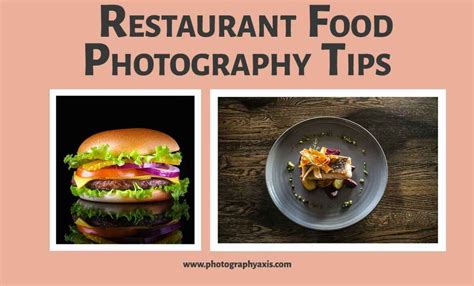
- High-Quality Imagery/Video: Crisp, well-lit photos and short, engaging videos are paramount. Focus on appealing angles, vibrant colors, and textures that make the food pop.
- Highlighting Key Features: Showcase the most enticing elements of the dish – a gooey cheese pull, a perfectly seared crust, or fresh, colorful ingredients.
- Concise & Captivating Captions: While visuals lead, a compelling caption adds context, builds intrigue, and often includes a direct question or prompt.
- Clear Call to Action (CTA): This is perhaps the most critical element. Whether it’s “Link in bio for the recipe!”, “Swipe up to get the full details!”, or a direct clickable link, the path to the recipe must be explicit and easy to follow.
Bridging the Gap: From ‘Like’ to Link to Visit
The conversion process doesn’t end with a compelling visual. The journey from social media feed to recipe page needs to be seamless and frictionless. Here’s how Visual Bites bridge this gap:
- Strategic Placement of Links: Understanding platform functionalities (e.g., Instagram’s link in bio, TikTok’s direct links, Facebook’s post links) is crucial for maximizing visibility and ease of access.
- Consistency in Branding: The visual style and tone on social media should align with the recipe page, creating a cohesive and trustworthy user experience.
- Building Anticipation: The Visual Bite creates a teaser, promising a valuable payoff (the full recipe) on the other side. This anticipation encourages the click.

Optimizing the User Journey Post-Click
Once a user clicks through, the recipe page itself must deliver on the promise of the Visual Bite. A smooth, engaging experience on the destination page is vital for retaining visitors and encouraging them to actually *use* the recipe:
- Mobile Responsiveness: Most social media browsing occurs on mobile devices, so the recipe page must be optimized for all screen sizes.
- Fast Loading Speed: Users have little patience for slow-loading pages. Optimize images and code for quick access.
- Clear and Concise Layout: Recipes should be easy to read, with ingredients clearly listed and instructions broken down into manageable steps.
- Further Engagement: Consider adding related recipes, cooking tips, or a comments section to encourage longer stays and repeat visits.

Measuring Success and Refining Strategy
Understanding which Visual Bites perform best and why is key to continuous improvement. Utilizing analytics tools helps creators track important metrics:
- Click-Through Rate (CTR): How many people who saw the Visual Bite clicked the link?
- Time on Page: How long do users stay on the recipe page after clicking through?
- Bounce Rate: What percentage of users leave the recipe page immediately?
- Conversion Rate: Do users engage further (e.g., save the recipe, sign up for a newsletter)?
A/B testing different visual styles, captions, and CTAs can provide valuable insights into audience preferences and optimize conversion strategies over time.
Conclusion: The Art and Science of Culinary Conversion
Visual Bites are more than just pretty pictures; they are sophisticated tools in the food marketer’s arsenal. By expertly combining appetizing visuals with psychological triggers and clear calls to action, they effectively bridge the gap between passive social media engagement and active recipe discovery. Converting a ‘like’ into a page visit is a testament to the blend of artistic presentation, strategic communication, and a seamless user experience, ultimately transforming casual browsers into eager home cooks ready to create culinary magic.