How do Visual Bites effectively convey taste and drive foodie recipe clicks?

The Allure of the Edible Image
In the bustling digital realm of food blogs, social media feeds, and recipe platforms, a single image often stands as the gatekeeper to a culinary journey. These ‘Visual Bites’ are more than just pretty pictures; they are potent sensory triggers, designed to tantalize taste buds, evoke cravings, and ultimately, drive users to click on that enticing recipe. But how exactly do these snapshots of gastronomic delight effectively convey flavor and compel an audience to dive deeper?
The Psychology Behind Seeing Taste
Our brains are incredibly adept at translating visual cues into sensory experiences. When we encounter a beautifully plated dish, our minds don’t just see colors and shapes; they anticipate textures, aromas, and flavors. This phenomenon, often referred to as cross-modal perception, means that a vibrant red tomato might suggest sweetness and acidity, while a perfectly browned crust hints at warmth and crunch.
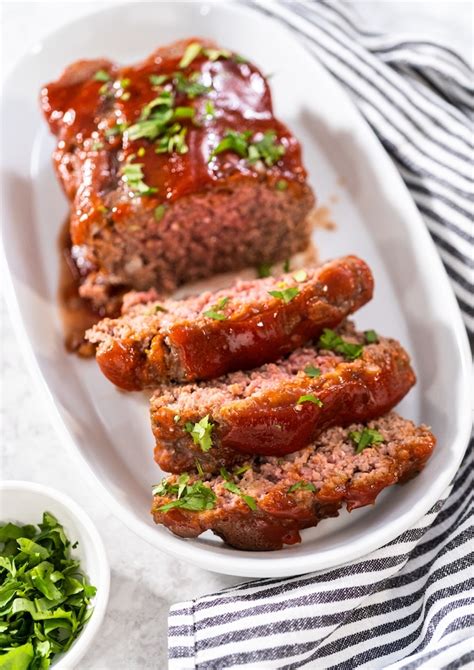
Visual Bites leverage this innate connection. A glistening glaze on a pastry signals moisture and richness, while steam rising from a bowl of soup communicates warmth and freshness. The brain rapidly processes these cues, building a mental ‘taste profile’ even before the first bite. The more vividly and accurately an image can stimulate these imagined sensations, the stronger its power to persuade.

Crafting the Irresistible Visual Bite: Key Elements
To effectively convey taste and drive clicks, Visual Bites must master several fundamental aesthetic and technical elements.
Composition and Framing
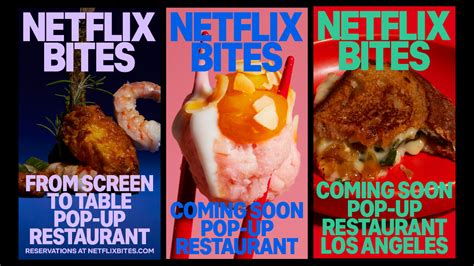
The way a dish is arranged and photographed can dramatically impact its appeal. Rule of thirds, leading lines, and negative space guide the viewer’s eye, drawing attention to key textures and ingredients. A close-up shot emphasizing a gooey cheese pull or a crispy edge instantly amplifies desirability, making the viewer almost feel the texture.
Lighting is Everything
Natural, soft light is often preferred as it highlights textures, creates inviting shadows, and makes food look fresh and authentic. Harsh shadows or overexposed areas can make food appear unappetizing. Proper lighting ensures that colors are true and details are sharp, crucial for conveying freshness and quality.
Color and Contrast
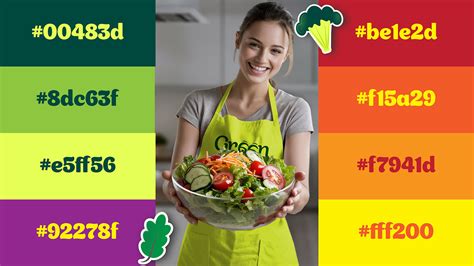
Vibrant colors are inherently appetizing. A splash of fresh herbs, a pop of berry red, or the golden hue of a baked good can make a dish leap off the screen. Contrasting colors and textures (e.g., crunchy nuts on creamy yogurt) add visual interest and suggest a delightful mouthfeel, hinting at the complexity of flavors.
Storytelling Through Food Styling and Props
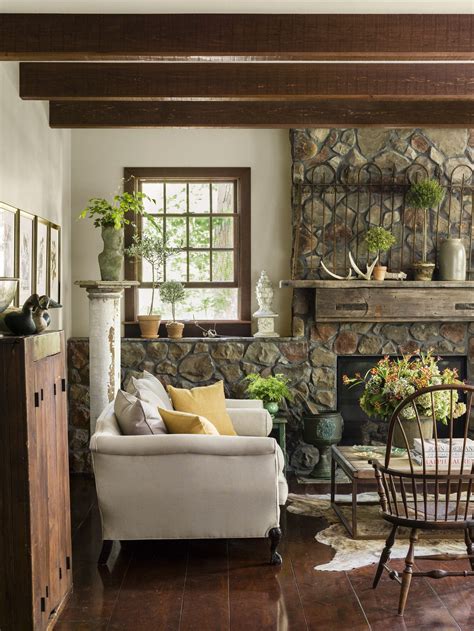
Beyond technical perfection, a compelling Visual Bite tells a story. Props like rustic cutting boards, vintage cutlery, or fresh ingredients can set a scene, hinting at the dish’s origin, seasonality, or the experience of eating it. A cozy mug implies warmth, while a scattering of flour suggests homemade goodness. These elements add context and emotional resonance, making the food feel more approachable and desirable.
Food styling involves more than just arranging the main dish; it’s about creating an entire narrative. Is it a hearty family meal? A sophisticated dessert? A quick, healthy snack? Every element in the frame contributes to this story, influencing the viewer’s emotional connection and perceived taste, making them imagine themselves enjoying that very meal.
The Click-Driving Connection: From Visual to Recipe
The ultimate goal of a Visual Bite is to convert curiosity into action. When a photo successfully conveys deliciousness, it creates an immediate desire to replicate that experience. This is where strategic integration comes in.
Clear Call to Action: Whether it’s a ‘Link in Bio,’ ‘Get the Recipe Here,’ or a direct embedded link, guiding the user to the next step is crucial. The visual has done its job; now the path to the recipe must be frictionless and obvious.
SEO and Keywords: While the image captivates, strong, descriptive keywords in captions, alt text, and accompanying text help search engines connect interested foodies with your recipe. This ensures that your mouth-watering Visual Bite reaches the right audience at the right time.
Platform Optimization: Different platforms have different strengths. Instagram thrives on stunning visuals, Pinterest excels as a recipe discovery engine, and food blogs combine both with detailed instructions. Tailoring your Visual Bites and their accompanying calls to action to each platform maximizes impact and reach.
Practical Tips for Maximizing Impact
- Emphasize Texture: Show the crunch, the ooze, the flakiness. Texture communicates mouthfeel instantly and effectively.
- Focus on Freshness: Use vibrant, fresh ingredients. Wilting greens or dull colors detract from appeal and suggest a less appetizing experience.
- Human Element (Optional): A hand holding a fork or a slight blur in the background suggesting activity can add warmth, relatability, and a sense of immediacy.
- Post-Processing Matters: Subtle edits to enhance brightness, contrast, and color vibrancy can elevate a good photo to a great one, but avoid over-editing that makes food look artificial or unappetizing.
Conclusion
Visual Bites are the silent narrators of the culinary world, translating sensory delight into compelling digital content. By understanding the psychology of perception, mastering aesthetic principles, and strategically integrating visuals with clear calls to action, food creators can transform mere pictures into powerful drivers of engagement and recipe clicks. In an increasingly visual online landscape, the ability to make food look as good as it tastes is not just an art, but a vital strategy for digital success, turning casual browsers into eager home cooks.