How do Visual Bites effectively showcase *real* food texture & appeal to stop foodie scrolls?

Stopping the Scroll: The Art of Visually Communicating Food Texture
In the fast-paced world of social media, where culinary creations flood our feeds, merely good-looking food often gets lost in the endless scroll. Visual Bites – those captivating, short-form visual narratives – are the secret weapon for food brands and creators aiming to halt the thumb-driven marathon. The real challenge lies in not just presenting food, but in conveying its true, delectable texture and irresistible appeal through a screen.
The Indispensable Power of Texture in Food Appeal
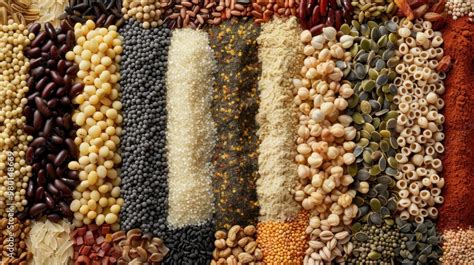
Texture is a cornerstone of the eating experience. It’s the crunch of a perfectly fried chicken, the silky melt of chocolate, the gooey pull of cheese, or the vibrant snap of fresh vegetables. Without the ability to touch or taste, visual cues become paramount in communicating these sensory delights. Our brains subconsciously crave these tactile sensations, and a visual that triggers this craving is far more impactful than one that merely shows color or shape.
Effective Visual Bites don’t just show a dish; they invite the viewer to imagine the sensation of eating it. This is where the magic happens – translating a physical experience into a purely visual one that resonates deeply and stops the scroll.

Mastering Visual Techniques to Highlight Texture
Capturing the intricate details of food texture requires a deliberate approach to photography and videography.
Strategic Lighting for Depth and Dimension
Backlighting or side lighting can dramatically enhance texture by creating shadows and highlights that emphasize ridges, crevices, and glossy surfaces. Think of light catching the bubbles in a perfectly baked bread or the sheen on a glazed donut – these lighting techniques bring the food’s topography to life.
Close-Ups and Macro Shots
Zooming in allows the viewer to appreciate the fine details often missed in wider shots – the flaky layers of a croissant, the individual grains of rice, or the delicate condensation on a cold drink. These intimate perspectives build anticipation and make the food feel more tangible.
Dynamic Composition and Angles
Shooting from angles that best reveal the food’s structure, like a slight overhead for a layered cake or an eye-level shot for a burger, can make a significant difference. Incorporating action – a fork diving into pasta, cheese stretching, or sauce drizzling – adds an immediate sense of engagement and highlights the food’s pliability and texture.
The Power of Movement in Video Bites
For video-based Visual Bites, motion is king. A slow-motion pour, a sizzling pan, a knife slicing through a perfectly cooked steak, or a hand breaking open a warm bun to reveal steam – these movements are incredibly effective at showcasing texture and freshness, making the food feel alive and irresistible.
Evoking Sensory Experiences Beyond Sight
The goal of a Visual Bite is to trigger a multi-sensory response, even without taste or smell. A glossy glaze hints at sweetness, a crispy crust promises a satisfying crunch, and a steaming dish conveys warmth and freshness. By understanding what visual cues correspond to different sensory experiences, creators can meticulously craft their shots, transforming simple visuals into powerful sensory invitations.
The “Stop the Scroll” Imperative: Authenticity Over Perfection
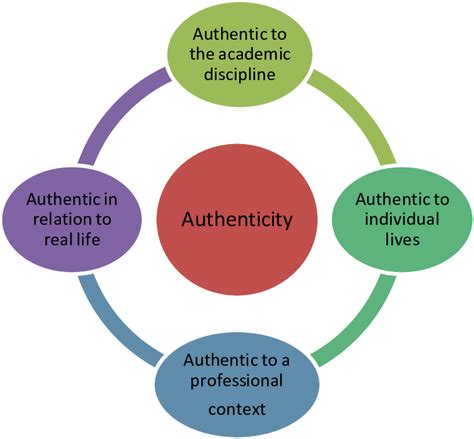
While technique is crucial, authenticity is what truly resonates. Food that looks *too* perfect can sometimes feel unattainable or artificial. Embrace the natural imperfections, the slight drip of sauce, the crumb that falls – these elements add a touch of reality and relatability that makes the food feel more inviting and genuine. It’s about showcasing food as it would be experienced, not as a sterile, unattainable ideal.
Conclusion
In the crowded digital culinary landscape, Visual Bites are not just about pretty pictures; they are strategic tools designed to communicate the full sensory promise of food. By expertly harnessing lighting, composition, movement, and a keen eye for authenticity, creators can transform fleeting glances into lasting cravings, effectively stopping the scroll and enticing viewers to engage with truly appealing, textural food content.