How do Visual Bites truly convey taste and freshness to foodies beyond just plating?

Visual Bites, a term encompassing the art of presenting food, extend far beyond merely arranging ingredients on a plate. For discerning foodies, the visual aspect of a dish is a powerful precursor, subtly communicating not just aesthetic appeal, but profound cues about its taste, texture, freshness, and even its culinary story. It’s about triggering a multi-sensory dialogue before the first bite is even taken.
The Science of Sensory Priming
Before any aroma hits the nose or flavor touches the palate, our eyes are already at work, building expectations and even influencing our perception of taste. This phenomenon, known as sensory priming, means that what we see can actually alter how we experience a dish. Vibrant colors signal ripeness and vitality, while certain textures imply crispness, creaminess, or succulence. A glossy sauce might suggest richness, and delicate garnishes can hint at precision and care in preparation.

Beyond the Plate: Texture and Ingredient Storytelling
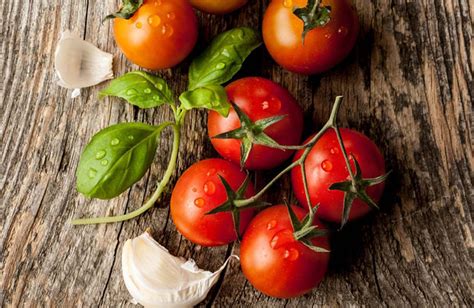
True visual communication of taste and freshness delves into showcasing the inherent qualities of ingredients. It’s not just about the final arrangement, but how the food itself is handled and presented to highlight its best attributes. Consider the glistening skin of a perfectly roasted chicken, the distinct layers in a flaky pastry, or the visible marbling in a cut of wagyu beef. These details are visual shorthand for specific textures and flavors, directly addressing a foodie’s desire for quality and authenticity. The thoughtful inclusion of key ingredients – a sprig of fresh herbs, a scattering of sea salt – also tells a story of origin, seasonality, and careful sourcing.
Lighting, Context, and Environment
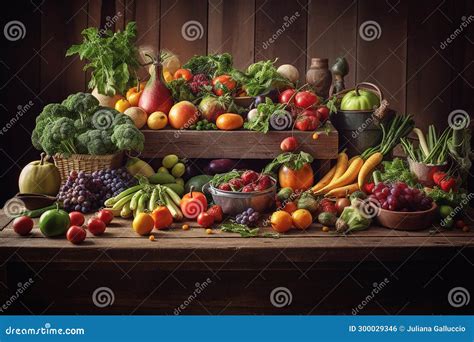
The environment in which food is presented plays a crucial, often underestimated, role. The right lighting can transform a dish, enhancing its colors, highlighting its textures, and making it appear more appetizing. Natural light often lends a sense of honesty and freshness, while dramatic restaurant lighting can evoke luxury and intensity. Furthermore, the choice of dinnerware, table setting, and even the surrounding decor contribute to the overall narrative. A rustic ceramic bowl might suggest wholesome, farm-to-table goodness, whereas a minimalist white plate elevates culinary artistry, allowing the food to be the sole focus. This holistic approach builds a complete visual context that reinforces the dish’s identity.
The Role of Movement and Preparation
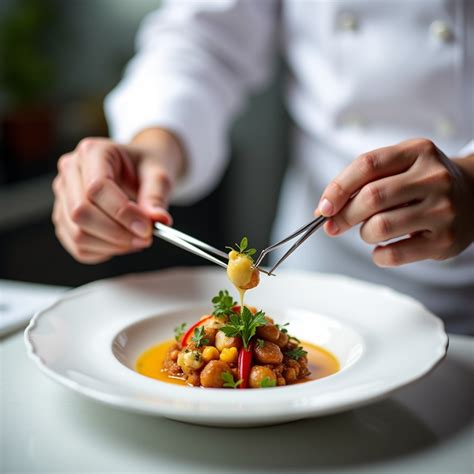
Some of the most powerful visual bites occur even before the dish reaches the table. The sight of a chef meticulously plating, the steam rising from a freshly cooked entree, or the sizzle of a pan-seared steak can all powerfully convey freshness and immediate readiness. Modern culinary experiences increasingly incorporate elements of tableside preparation or finishing, allowing diners to witness the final touches. This dynamic visual element creates anticipation and a deeper connection to the food, making the act of eating a more engaging and memorable event, directly communicating the vitality and hotness of the dish.
Evoking Emotion and Memory
Ultimately, the most effective visual bites tap into something deeper than mere aesthetics: emotion and memory. A perfectly presented dish can evoke feelings of comfort, nostalgia, excitement, or surprise. It can remind a foodie of a childhood meal, a special occasion, or a culinary adventure. The use of color, composition, and even the “personality” of a dish – whether it looks playful, elegant, rustic, or bold – creates an emotional resonance. This emotional connection profoundly impacts how taste and freshness are perceived, turning a meal into an unforgettable experience rather than just sustenance.
In conclusion, “Visual Bites” are a sophisticated language spoken by chefs and understood by foodies. They transcend simple plating, employing a rich vocabulary of sensory priming, ingredient storytelling, environmental context, dynamic preparation, and emotional resonance. By mastering these elements, culinary artists don’t just present food; they communicate its very essence, promising specific tastes, textures, and an undeniable freshness that elevates the entire dining experience long before the first mouthful.