How do Visual Bites truly tell a real food’s story for foodies?

The Appetizing Power of Visual Storytelling
In an era dominated by screens and social media, the first taste of a dish often comes not from the palate, but from the eyes. For foodies, these ‘visual bites’ are more than just pretty pictures; they are potent narrative tools that unveil the true essence of a meal before a single forkful is taken. They bridge the gap between imagination and reality, transforming a mere dish into a compelling story of origin, craftsmanship, and culinary passion.
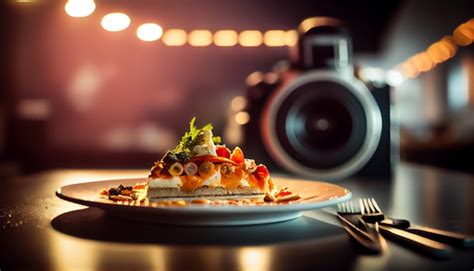
Visual bites begin their magic by igniting the senses. A perfectly composed photograph showcasing vibrant colors, intriguing textures, and artful plating can trigger an immediate sensory response. Foodies don’t just see a plate of pasta; they perceive the richness of the sauce, the al dente bite of the noodles, and the aromatic waft of fresh herbs. This visual stimulation builds anticipation, creates desire, and sets an expectation for the flavor profile, long before the dish ever reaches the table. It’s a psychological prelude to the gastronomic experience, where the eyes prime the mind for a feast.
Revealing Authenticity and Craftsmanship
Beyond surface-level appeal, truly effective visual bites delve deeper, revealing the authenticity and craftsmanship behind the food. A photograph might capture the gnarly crust of artisanal bread, hinting at its slow fermentation and hand-kneading. Another could highlight the subtle char marks on a grilled vegetable, suggesting the smoky depth of its preparation. These visual cues are crucial for foodies who seek transparency and appreciate the effort that goes into creating exceptional food. They tell a story of provenance – whether it’s farm-to-table freshness, traditional techniques, or innovative culinary artistry.
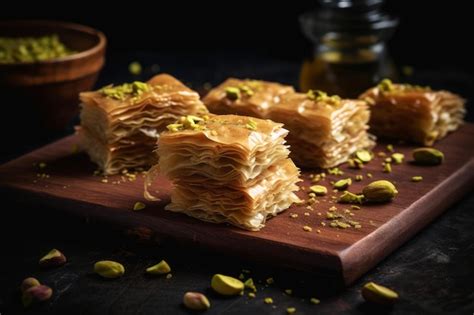
The narrative extends to the ingredients themselves. A shot of glistening fresh seafood on ice, or vibrant, dew-kissed produce, communicates quality and freshness instantly. For foodies concerned with sourcing and sustainability, these visuals provide a silent reassurance, painting a picture of where their food comes from and how it’s handled. It’s a powerful, non-verbal testament to the integrity of the chef and the establishment.
The Art of Plating and Contextual Cues
Plating is an art form in itself, and visual bites excel at showcasing this creativity. The arrangement of elements on a plate, the choice of dinnerware, and even the background setting contribute significantly to the story. A rustic wooden table might evoke a cozy, homemade feel, while a minimalist white backdrop emphasizes the dish’s architectural precision. These contextual cues enrich the overall narrative, providing insight into the dining experience that awaits.

Consider a dish presented with delicate garnishes – a microgreen here, a drizzle there. These aren’t just decorative; they often signify attention to detail, a chef’s meticulous approach, and a commitment to elevating every aspect of the meal. For foodies, these details are a language unto themselves, communicating sophistication, innovation, or a reverence for classic techniques.
Connecting with the Culinary Vision
Ultimately, visual bites help foodies connect with the culinary vision and philosophy behind the food. When a series of images consistently reflects a certain aesthetic or culinary theme – be it comfort food, avant-garde cuisine, or traditional regional dishes – it builds a coherent brand identity. Foodies aren’t just buying a meal; they’re buying into an experience, a perspective, and often, a chef’s personal story.

Social media platforms have amplified this connection, allowing chefs and restaurants to share behind-the-scenes glimpses, preparation videos, and the faces behind the creations. These visual narratives foster a sense of community and trust, transforming passive observers into engaged followers and eager patrons. A compelling visual bite can be the spark that converts a casual browser into a loyal customer, eager to taste the story it promises.
Conclusion: The Unspoken Language of Food
In essence, visual bites are the unspoken language of food for the discerning foodie. They are not merely promotional tools but authentic storytellers, conveying emotion, heritage, craftsmanship, and aspiration. They prepare the palate, engage the mind, and satisfy a deeper hunger for connection and understanding. By mastering the art of the visual bite, culinary creators can truly communicate the soul of their food, transforming a meal into an unforgettable, multi-sensory journey long before the first actual taste.