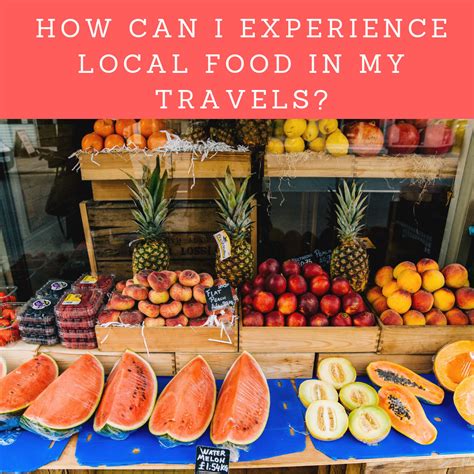
How do visual cues help you find truly authentic local foodie gems?

In the quest for genuine culinary experiences while traveling, differentiating between a tourist trap and a truly authentic local foodie gem can be challenging. Guidebooks offer hints, and online reviews provide insights, but often, the most reliable indicators are right before your eyes. Mastering the art of reading visual cues can transform your food adventures, leading you to unforgettable tastes and cultural immersion.
The Exterior Tells: What to Spot Before You Step Inside
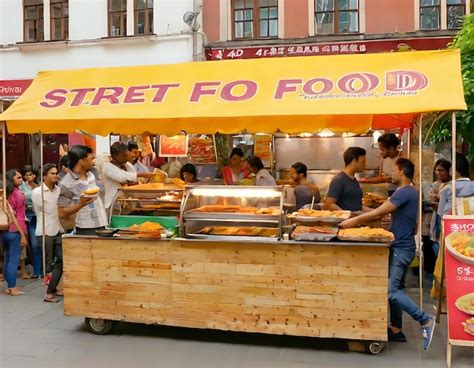
The first impression is often the most telling. A true local gem rarely screams for attention with flashy neon signs or overly polished facades designed to lure in passing tourists. Instead, look for establishments that blend seamlessly into their surroundings, often with a slightly weathered appearance that speaks of years of service to the community. Pay close attention to the clientele: a restaurant teeming with locals, especially during off-peak hours, is a strong positive sign. Conversely, a place primarily filled with other tourists, even if busy, might indicate a diluted experience. Signs written predominantly or exclusively in the local language, with perhaps a very basic English translation, are another excellent indicator that the spot caters to the local palate.
Peeking In: The Interior Vibe and Menu Insights
Before committing, take a moment to peek inside. Authentic local eateries often prioritize function and flavor over elaborate decor. You might find simple, utilitarian furniture, perhaps a bit worn, and walls adorned with local art or family photos rather than generic tourist decor. An open kitchen or a visible cooking area where you can see fresh ingredients being handled is always a good sign of transparency and quality. Observe the menu: a short, focused menu, particularly one with daily specials, often signifies a kitchen that specializes in a few dishes done exceptionally well, rather than trying to cater to every possible taste. Dishes named simply and clearly, often without verbose descriptions, suggest confidence in the food itself.
The Crowd and The Cook: Customer & Staff Dynamics
Beyond just the sheer number of locals, observe their interactions. Are they comfortable, laughing, and seemingly regulars? This suggests a cherished community spot. Watch the staff as well: busy, efficient, and perhaps a bit gruff (in a charming, authentic way) can be far more reassuring than overly solicitous staff trained to cater to every tourist whim. A chef or owner who is present and engaged, even if just overseeing operations, often indicates a personal investment in the food and the establishment’s reputation.
What’s On The Table: The Food Itself and Its Presentation
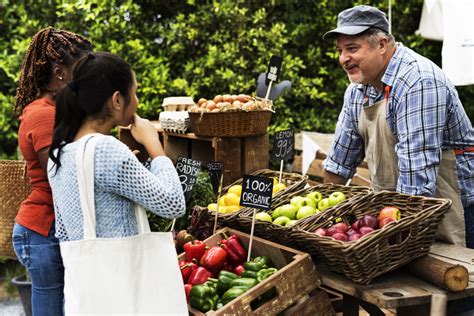
Once you’ve settled in (or if you’re observing from afar), the visual cues of the food itself are paramount. Look at what other patrons are eating. Do the dishes appear fresh, vibrant, and generous? Are ingredients visibly high-quality and local? Authentic dishes often have a rustic charm; perfect plating isn’t always the goal. Instead, look for food that looks homemade, hearty, and true to its regional origins. Are there unique local condiments or side dishes being served that you don’t typically see elsewhere? This often points to a deep understanding of local culinary traditions.

The Sensory Symphony: Smells, Sounds, and Shared Experiences
Visual cues aren’t just about what you see with your eyes; they extend to how the environment feels. Can you smell tantalizing aromas wafting from the kitchen or the plates of fellow diners? The sounds of lively chatter, clinking cutlery, and sizzling woks contribute to an immersive atmosphere that often accompanies a true local haunt. Observe the universal human joy of eating together – families sharing meals, friends laughing over plates – these are often the most beautiful visual cues that you’ve found not just a meal, but an experience.
Conclusion: Sharpen Your Senses, Elevate Your Adventures
Finding truly authentic local foodie gems is an art refined by observation. By tuning into the subtle visual cues offered by exteriors, interiors, menus, clientele, and the food itself, you equip yourself with the best tools to navigate unfamiliar culinary landscapes. Trust your instincts, be adventurous, and let your eyes guide you to the heart of local flavors. Happy eating!