How do visual foodies capture authentic local flavor for amazing feeds?
The Art of Culinary Exploration for the Camera
In an age dominated by visual storytelling, the “visual foodie” has emerged as a captivating figure, blending a passion for gastronomy with a keen eye for photography. Their mission? To unearth, experience, and beautifully document authentic local flavors, transforming them into drool-worthy content that transports followers to bustling markets and hidden culinary gems. But how do these digital epicureans consistently capture the true essence of a place, ensuring their feeds are not just pretty, but genuinely flavorful?
It’s more than just snapping a picture of a delicious dish; it’s about a holistic approach to discovery, interaction, and presentation. It requires a blend of intrepid exploration, cultural sensitivity, and photographic prowess. Let’s dive into the strategies that elevate a simple meal photo to an amazing feed artifact.
Beyond the Tourist Trail: Hunting for Hidden Gems
Authenticity rarely resides in brightly lit, heavily marketed establishments. Visual foodies know that the real soul of local cuisine is often found in unassuming eateries, bustling street food stalls, or humble family-run restaurants. The hunt begins with meticulous research, extending far beyond generic travel guides.
- Dive into Local Blogs & Forums: Seek out recommendations from local residents, not just fellow tourists. These often lead to the most genuine culinary experiences.
- Observe Local Habits: Look for places where locals are queuing up, especially during peak hours. A long line of residents is a strong indicator of quality and authenticity.
- Wander and Explore: Sometimes the best discoveries are made by simply strolling off the main streets, letting curiosity guide you through lesser-known neighborhoods.
Mastering the Frame: Capturing Culinary Magic
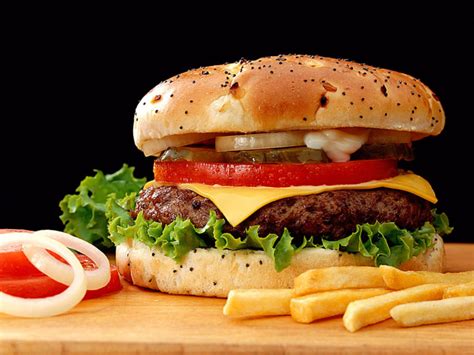
Once a local treasure is found, the challenge shifts to capturing its essence visually. Good food photography isn’t just about showing what’s on the plate; it’s about conveying texture, aroma, and the story behind the dish. Natural light is almost always your best friend.
- Embrace Natural Light: Position your dish near a window or outdoors. Avoid harsh overhead lighting or using a flash, which can flatten the image and distort colors.
- Focus on Composition: Use the rule of thirds, leading lines, and negative space to create visually appealing shots. Experiment with different angles – overhead shots (flat lays) work well for showcasing multiple dishes, while eye-level shots highlight texture and depth.
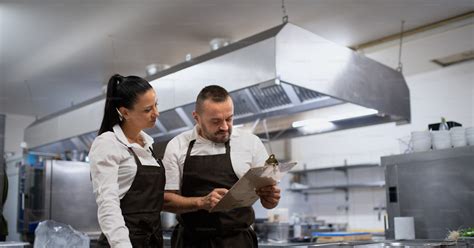
- Tell a Story: Don’t just photograph the finished dish. Capture the hands preparing it, the bustling kitchen, the steam rising, or the vibrant ingredients before they’re cooked. These elements add context and narrative depth.
The Details that Define: Beyond the Dish Itself
Authentic flavor isn’t solely about taste; it’s about the entire experience. Visual foodies understand the importance of capturing the atmosphere, the people, and the cultural context that imbue a meal with its true character. This means looking beyond the plate to the bigger picture.
- Capture the Setting: The decor, the street scene, the specific utensils, or the unique serving dishes all contribute to the authenticity.
- People Power: Discreetly photograph the chef, the vendor, or even other patrons enjoying their meals. These human elements add warmth and connection.
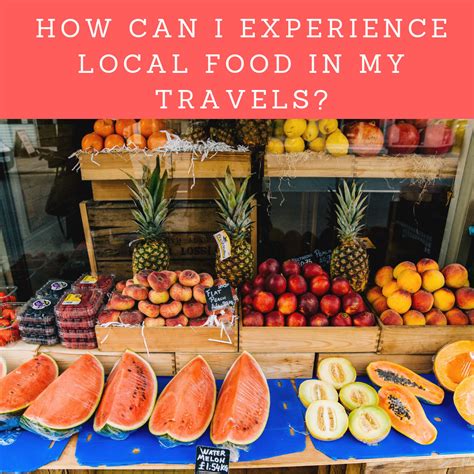
- Ingredients Up Close: Showcase the fresh, local ingredients – vibrant spices, exotic fruits, or freshly caught seafood – before they transform into a meal.

Engaging with the Culture: A Deeper Dive
To truly capture authentic local flavor, visual foodies immerse themselves in the local culture. This goes beyond mere observation; it involves interaction and genuine curiosity. Understanding the origin and significance of a dish enriches both the personal experience and the narrative shared with followers.
- Talk to the Locals: Engage with vendors, chefs, and fellow diners. Ask about the history of a dish, traditional preparation methods, or local customs associated with eating.
- Learn the Language of Food: Even a few simple phrases in the local language can open doors and foster connections, leading to more intimate experiences and unique photo opportunities.
- Respect Local Customs: Be mindful of cultural etiquette regarding photography, eating, and interacting. A respectful approach often leads to more candid and genuine interactions.
Curating the Feed: From Raw Shot to Polished Story
The journey from capturing a moment to presenting an amazing feed involves thoughtful post-production and strategic sharing. It’s about enhancing the authenticity without distorting it.
- Subtle Editing: Use editing tools to enhance colors, adjust exposure, and sharpen details, but avoid over-processing. The goal is to make the food look even more appetizing, not artificial.
- Craft Compelling Captions: Pair your stunning visuals with engaging stories. Share anecdotes from your discovery, details about the ingredients, or the cultural significance of the dish.
- Strategic Tagging: Utilize relevant hashtags (#localfood, #streetfood, #culinarytravel, #foodphotography, #authenticflavor) and geotagging to reach a wider audience interested in similar culinary adventures.

The Heart of Authentic Food Storytelling
Ultimately, capturing authentic local flavor for amazing feeds is a journey of passion, respect, and continuous learning. It’s about being present in the moment, appreciating the nuances of a culture through its cuisine, and then sharing that experience in a way that truly resonates. By blending diligent research, skillful photography, cultural immersion, and compelling storytelling, visual foodies don’t just show food; they ignite a craving for genuine culinary adventures, one incredible bite and captivating image at a time.