How do visual foodies find & photograph authentic hidden local culinary gems abroad?

The Allure of the Authentic Bite
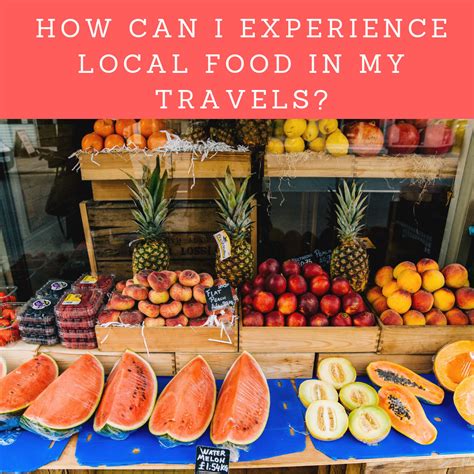
For the visual foodie, travel is more than just seeing new sights; it’s a multi-sensory journey, with the ultimate prize being the discovery and artistic capture of authentic, hidden local culinary gems. These aren’t the Michelin-starred restaurants widely advertised, but rather the bustling street stalls, family-run eateries tucked away in narrow alleys, or the market vendors serving generations-old recipes. The thrill lies in the hunt, and the reward is not just a delicious meal, but a story told through stunning imagery.
The Art of Discovery: Unearthing Culinary Secrets
Pre-Trip Research & Digital Footprints
The quest for hidden gems often begins long before boarding a plane. Visual foodies are digital detectives, meticulously sifting through information. This involves deep dives into local food blogs, Instagram accounts of local residents (using specific hashtags and geotags in the local language), and niche travel forums. Google Maps becomes an invaluable tool, scanning for clusters of small, non-touristy restaurants and street food vendors, often identified by local language reviews or a lack of English signage. They look for signs of local patronage – busy spots during off-peak tourist hours.
On-the-Ground Scouting & Local Connections
Once abroad, the digital detective work transforms into physical exploration. Walking aimlessly through non-touristy neighborhoods, observing where locals eat, and following appealing aromas are key strategies. Engaging with locals – hotel staff, taxi drivers, shopkeepers, or even fellow diners – for recommendations often leads to the most authentic finds. A simple “Where do you eat?” can unlock a world of culinary delights. The key is to be open, friendly, and adventurous, willing to step off the well-trodden path.
The Photography Playbook: Capturing the Essence
Finding the gem is only half the battle; capturing its true essence visually requires skill and sensitivity. Visual foodies understand that food photography is storytelling.
Equipment & Preparation
While professional gear can be an advantage, many incredible food photos are taken with just a smartphone. The priority is often lightweight gear – a compact mirrorless camera with a versatile prime lens (like a 50mm) is popular. Understanding basic photography principles like aperture (for depth of field), ISO (for low light), and shutter speed (for motion) is crucial, as is preparing to shoot quickly and discreetly.
Mastering Natural Light
Natural light is a food photographer’s best friend. Visual foodies are constantly seeking soft, diffused light – think window light in a small restaurant, the open shade of a market stall, or the golden hour glow. They avoid harsh midday sun, which creates unflattering shadows, and often position themselves to ensure the light falls beautifully on the dish, highlighting textures and colors.
Composition & Storytelling
Beyond technical skills, composition is where the magic happens. Techniques like the rule of thirds, leading lines, and framing are employed to create visually appealing shots. However, storytelling is paramount. This means capturing not just the dish itself, but also the context: the bustling market environment, the vendor’s hands preparing the food, the steam rising, or the unique cultural elements of the dining experience. Focus is often on vibrant colors, interesting textures, and the unique presentation of local ingredients.
Respectful Photography
A crucial aspect of photographing hidden local gems is respect. This means asking permission before photographing people, being quick and unobtrusive so as not to disturb other diners or vendors, and sometimes even discreetly taking a few quick shots before truly enjoying the meal. Building a rapport with the vendor or chef can sometimes even lead to unique behind-the-scenes access.
The Ethical Foodie & Cultural Immersion
Beyond the lens, the visual foodie is also an ethical traveler. They prioritize supporting local businesses, engaging with vendors with genuine curiosity (even if language is a barrier), and respecting local customs and dining etiquette. The goal isn’t just to capture an image, but to immerse oneself in the culture, creating a deeper, more meaningful connection to the food and the people behind it.
The Reward of the Hunt
Finding and photographing authentic hidden culinary gems abroad is a blend of intrepid exploration, keen observation, and artistic vision. It’s an iterative process of research, on-the-ground discovery, and thoughtful capture. For the visual foodie, each perfectly framed shot of a vibrant, local dish isn’t just a beautiful image; it’s a testament to a successful hunt, a delicious memory, and a shared story of cultural immersion that transcends borders.